
PennDOT & NS: Rail Revitalization in PA
This article explores how Pennsylvania’s Department of Transportation (PennDOT) has partnered with Norfolk Southern Railway (NS) through a public-private partnership to enhance rail service along the Harrisburg-Pittsburgh corridor, utilizing $1.2 trillion in funding from the Bipartisan Infrastructure Law (BIL), aiming to modernize and alleviate bottlenecks on this vital transportation route.
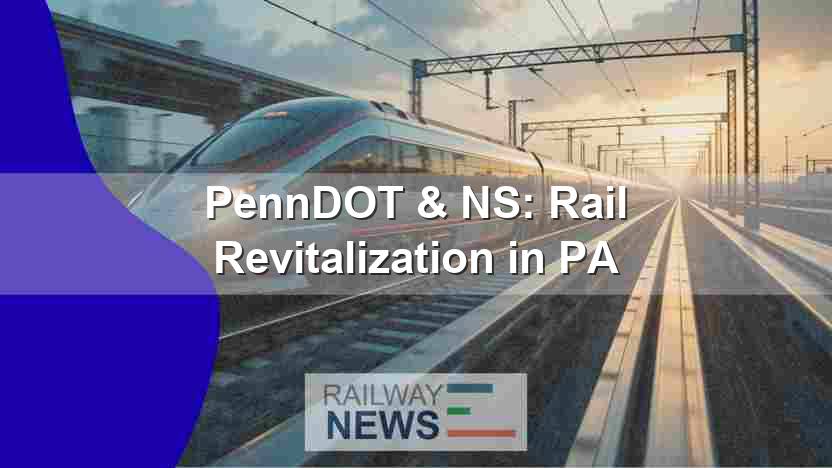
This article examines the collaborative effort between the Pennsylvania Department of Transportation (PennDOT) and Norfolk Southern Railway (NS) to significantly enhance freight and passenger rail service along the Harrisburg-Pittsburgh corridor in Pennsylvania. This initiative, fueled by the substantial funding provided by the $1.2 trillion Bipartisan Infrastructure Law (BIL), represents a crucial step towards modernizing a vital transportation artery within the state. The project’s scope encompasses not only operational improvements but also critical infrastructure upgrades designed to alleviate current bottlenecks and accommodate increased passenger rail traffic. The following analysis will delve into the project’s key aspects, including the agreement’s structure, the planned infrastructure improvements, the operational considerations, and the long-term implications for Pennsylvania’s transportation network. The successful implementation of this project will serve as a model for future public-private partnerships focused on revitalizing America’s aging rail infrastructure and promoting sustainable transportation solutions.
A Public-Private Partnership for Rail Revitalization
The core of this initiative lies in the unprecedented collaboration between PennDOT and NS. This public-private partnership (PPP) model is essential for leveraging the expertise and resources of both entities. PennDOT, responsible for overseeing Pennsylvania’s transportation infrastructure, brings its regulatory authority, funding capabilities (including the redirection of state Multimodal Transportation Fund dollars), and overall project management expertise. NS, as the owner of the rail corridor, provides invaluable operational knowledge, access to its infrastructure, and the necessary technical skills to execute the project. The agreement itself will define the respective roles and responsibilities of each party, covering critical aspects such as project scope, operational protocols, compensation for NS asset utilization, and liability allocation. This detailed approach ensures a smooth and efficient execution of the upgrades.
Addressing Operational Challenges and Infrastructure Bottlenecks
Before the commencement of engineering and construction, NS will conduct a thorough operational feasibility study. This crucial step will identify areas needing improvement and determine the most effective strategies for enhancing freight and passenger train operations simultaneously. A primary objective is to eliminate at least eight identified chokepoints along the corridor. These bottlenecks, which currently limit the efficiency and capacity of the rail line, will be addressed through targeted infrastructure upgrades. This might include track improvements, signal system modernization, and the addition of new sidings (passing tracks) to allow for smoother movement of both freight and passenger trains, minimizing delays and conflicts.
Financial Investment and Project Timeline
The project’s substantial funding from the BIL is a game-changer. This influx of federal funds, coupled with PennDOT’s financial contributions, will ensure the necessary resources are available for the detailed upgrades. The project timeline aims for completion within five years, highlighting the commitment to a swift and efficient delivery of improvements. This ambitious schedule underscores the shared urgency to modernize the Harrisburg-Pittsburgh rail corridor and meet the growing transportation demands of the region. The efficient allocation and management of the allocated funds will be vital for ensuring the project remains on schedule and within budget.
Long-Term Implications and Future Potential
The successful implementation of this project will bring numerous benefits to Pennsylvania. Improved freight rail service will enhance the efficiency of the state’s supply chains, facilitating the timely movement of goods and supporting economic growth. The enhanced passenger rail service will provide a viable and convenient alternative to road transportation, reducing congestion and improving regional connectivity. This project can serve as a model for future rail infrastructure investments nationwide. The collaboration between PennDOT and NS sets a strong precedent for future public-private partnerships focused on revitalizing America’s railway network, supporting sustainable transportation options, and improving the overall quality of life for citizens.
Conclusions
The collaborative project between PennDOT and NS to enhance rail service between Harrisburg and Pittsburgh marks a significant step toward modernizing Pennsylvania’s transportation infrastructure. Funded largely by the Bipartisan Infrastructure Law, this public-private partnership aims to address crucial operational challenges and upgrade aging infrastructure along the corridor. The project’s focus on eliminating chokepoints through targeted improvements, facilitated by a detailed feasibility study, will increase the efficiency of both freight and passenger rail operations. The five-year timeline, while ambitious, demonstrates the commitment to realizing these improvements swiftly. The successful completion of this initiative will not only benefit Pennsylvania through improved transportation, economic growth, and reduced congestion, but will also serve as a model for future large-scale rail improvement projects across the nation. The strategic use of public-private partnerships, combined with substantial federal funding, proves to be an effective approach to tackling the challenges of modernizing aging infrastructure and meeting the growing demands of efficient and reliable transportation systems. The long-term implications of this project extend beyond immediate improvements; it lays the groundwork for a more efficient, sustainable, and interconnected transportation network within Pennsylvania and beyond, offering a blueprint for future rail infrastructure development.

Railway infrastructure, rolling stock and transport technologies specialist focused on global rail industry developments, high-speed rail systems, signaling technologies and freight transportation. Covering railway investments, public transport modernization, rail operations and international mobility projects across Europe, Asia and North America.
RELATED POSTS

September 5, 2026 4:19 pm
CPK launched formal tender talks with four consortia to design...

September 5, 2026 7:14 pm
HS2 Ltd signed renegotiated civils contracts with EKFB and Align...

September 6, 2026 4:12 am
Alstom delivered the first of 100 new G Class trams...
September 5, 2026 6:17 pm
Universal Signalling won a deal to install its U-Cross system...
September 6, 2026 8:17 am
DB InfraGO reopened the Nuremberg-Regensburg line in Bavaria on 31...
September 6, 2026 12:20 pm
Indian Railways ordered a probe after a fire destroyed 2...