
Ersmark Tunnel: Implenia’s €40M North Bothnia Line Project
The Ersmark Tunnel, part of Implenia’s €40 million contract for the North Bothnia Line project in northern Sweden, showcases the intricate engineering challenges involved in large-scale rail infrastructure development, emphasizing the importance of collaboration between contractors and governmental agencies.
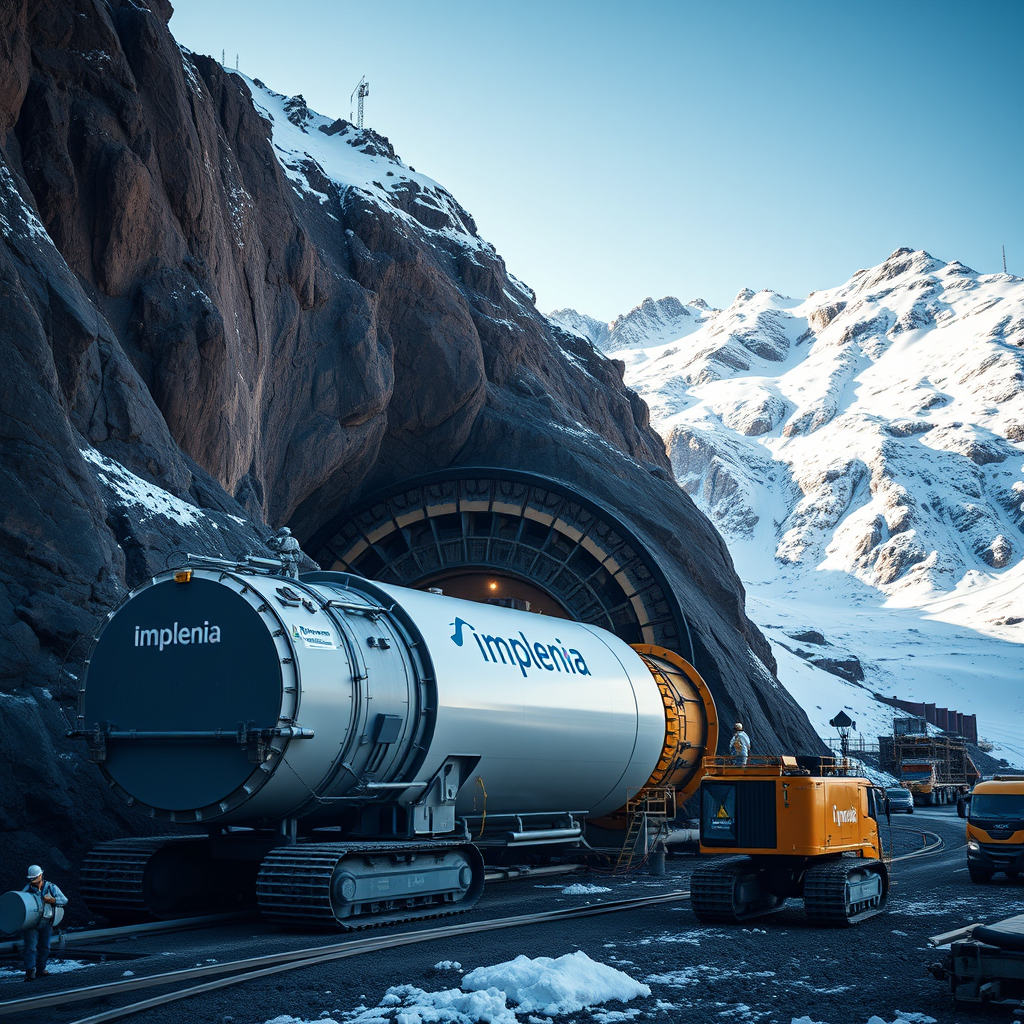
This article examines the significant contribution of Implenia’s €40 million ($43.4 million USD) contract to construct the Ersmark Tunnel, a crucial component of the North Bothnia Line railway project in northern Sweden. The project highlights the complexities involved in large-scale rail infrastructure development, encompassing intricate engineering challenges, logistical considerations, and the importance of collaboration between contractors and governmental agencies. We will explore the technical aspects of tunnel construction, the broader implications of the North Bothnia Line for regional connectivity and economic development, and Implenia’s established expertise in undertaking such ambitious endeavors. This analysis will provide insights into the current landscape of European rail infrastructure development and the strategic role of major contractors like Implenia in shaping the future of high-speed rail networks.
The Ersmark Tunnel Project: Engineering and Scope
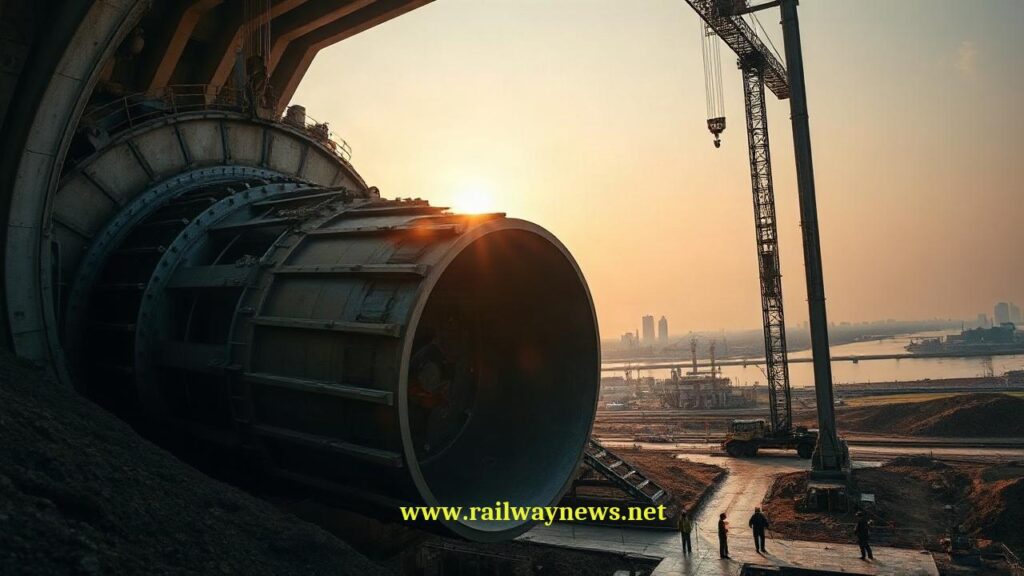
The Ersmark Tunnel, a 1.6-kilometer (km) bore between Fäboberget and Ersmarksberget, represents a substantial undertaking. The project’s scope extends beyond simply excavating the main tunnel; it encompasses the construction of a service tunnel, vital for maintenance and emergency access. Additionally, the contract includes the development of robust concrete structures to ensure the tunnel’s longevity and stability. Effective wastewater management systems and drainage mats are critical components to mitigate potential water ingress and maintain the structural integrity of the tunnel, minimizing risks associated with geological conditions and preventing costly delays or repairs. These elements highlight the multifaceted nature of modern tunnel construction, demanding a sophisticated understanding of geotechnical engineering, hydrology, and construction management.
The North Bothnia Line: Regional Impact and Connectivity
The Ersmark Tunnel forms part of the larger North Bothnia Line, a 270km railway project spanning between Umeå and Luleå. This new high-capacity line is designed to significantly reduce travel times between these major Swedish cities, thereby facilitating improved passenger and freight transport. The North Bothnia Line is not an isolated project; it’s a crucial component of the broader Bothnian Corridor, which aims to enhance rail connectivity between Sweden and Finland, further integrating this region into the European Union’s expansive rail network. This improved connectivity is predicted to stimulate economic growth by reducing transport costs, facilitating trade, and bolstering tourism in the region. Such infrastructure projects are essential for fostering regional development and enhancing international trade competitiveness.
Implenia’s Role and Expertise in Rail Construction
Implenia, a well-established player in the European rail construction sector, brings substantial expertise to the Ersmark Tunnel project. Their extensive experience with large-scale tunneling projects, exemplified by their involvement in the Brenner Base Tunnel extension in Italy and a significant twin-track rail expansion project between Varberg and Hamra in Sweden, demonstrates their technical capabilities and project management skills. The company’s commitment to a permanent presence in Northern Sweden underscores their long-term investment in the region and their confidence in the future of rail infrastructure development in Scandinavia. Implenia’s selection highlights the importance of selecting experienced and reliable contractors to execute complex and critical infrastructure projects. This emphasizes the careful selection process employed by the Swedish Transport Authority (Trafikverket).
Intelligent Transportation Systems (ITS) and Future Considerations
While not explicitly detailed in the initial information, the integration of Intelligent Transportation Systems (ITS) within the North Bothnia Line, and specifically within the Ersmark Tunnel, will be a crucial factor in maximizing the line’s efficiency and safety. ITS encompasses various technologies designed to optimize train operations, enhance safety protocols, and improve the overall passenger experience. This might include advanced signaling systems, automated train control, and real-time monitoring of track conditions. Such integration would require careful planning and coordination during the construction phase and should be considered during the design and construction of similar projects going forward. The successful implementation of ITS will be vital to fully realize the potential of the North Bothnia Line and ensure its long-term sustainability.
Conclusion
The Ersmark Tunnel project, undertaken by Implenia, represents a significant step in the development of the North Bothnia Line and the broader Bothnian Corridor. The project’s scope, encompassing not just tunnel excavation but also detailed ancillary infrastructure, underlines the complexity of modern rail construction. Implenia’s extensive experience in tunnel engineering and rail infrastructure development provides confidence in the successful completion of this crucial element of the North Bothnia Line. The project’s broader impact extends to regional economic development and improved connectivity between Sweden and Finland, furthering the integration of this area within the larger European Union rail network. The expected completion date of May 2025 signifies a notable milestone, highlighting the commitment and capabilities required to successfully deliver such ambitious infrastructure projects. Successful completion will demonstrate the critical role of such projects in shaping regional economies and enhancing the efficiency and safety of the wider European transportation system. Future projects should learn from this endeavor, emphasizing the importance of careful planning, collaboration between stakeholders, and the integration of advanced technologies like Intelligent Transportation Systems to achieve optimal outcomes.

Railway infrastructure, rolling stock and transport technologies specialist focused on global rail industry developments, high-speed rail systems, signaling technologies and freight transportation. Covering railway investments, public transport modernization, rail operations and international mobility projects across Europe, Asia and North America.
RELATED POSTS

September 5, 2026 4:19 pm
CPK launched formal tender talks with four consortia to design...
September 6, 2026 8:17 am
DB InfraGO reopened the Nuremberg-Regensburg line in Bavaria on 31...
September 5, 2026 6:17 pm
Universal Signalling won a deal to install its U-Cross system...
September 6, 2026 12:20 pm
Indian Railways ordered a probe after a fire destroyed 2...
September 7, 2026 11:16 pm
China Railway Tunnel Group completed the 11.3-km underwater Yangtze tunnel...
September 6, 2026 7:12 am
Renfe invests €1bn by 2030 to fix its rail depots...