
Sweden’s Public Transit Revolution: A Nationwide Booking System
Sweden’s National Distribution System (NDS) revolutionizes public transport ticketing by implementing the Open Sales and Distribution Model (OSDM), leading to seamless interoperability across diverse operators, including national railway SJ, regional authorities, and private companies like Arlanda Express and Vy Group. This innovative system, built on UIC’s OSDM framework, offers a unified search and booking experience for passengers, streamlining ticketing processes and enhancing the overall passenger journey.
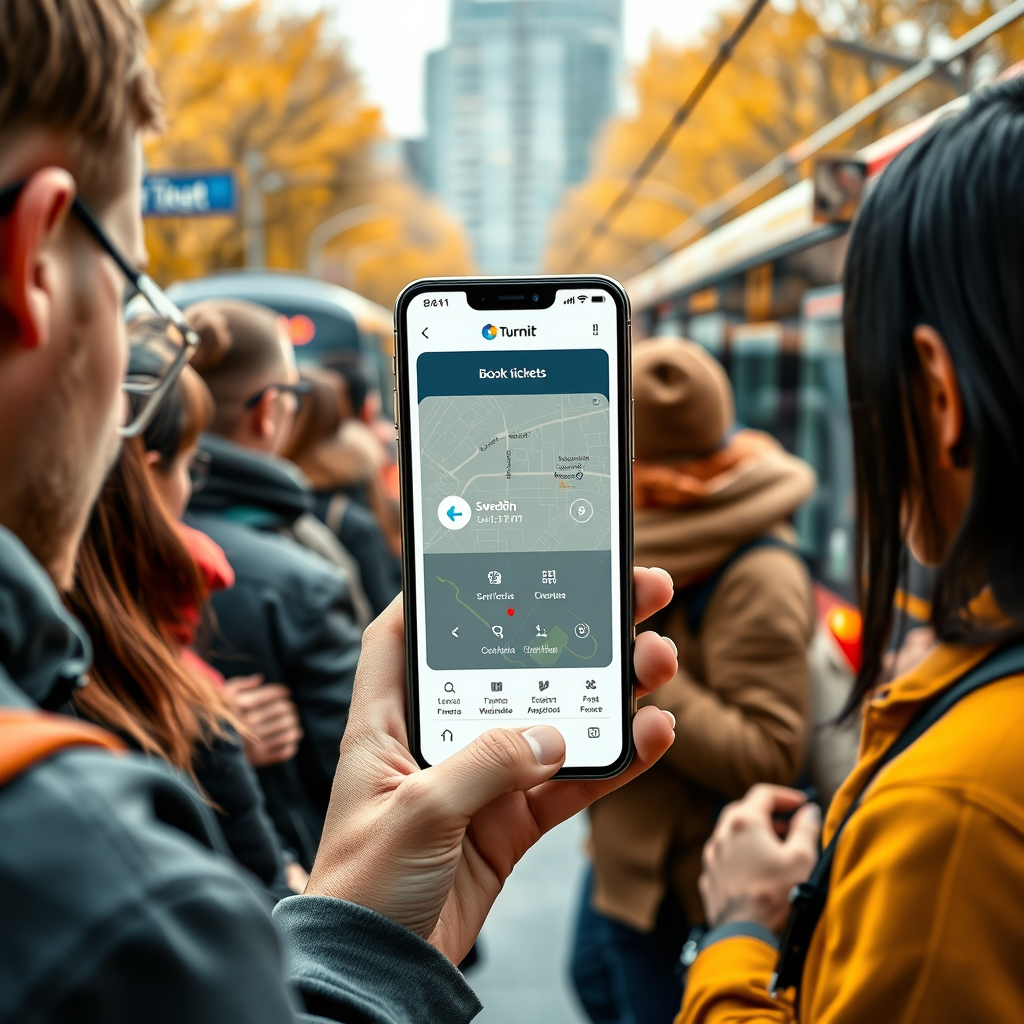
Sweden’s Nationwide Public Transport Booking Revolution: A Case Study in Interoperability
Sweden’s recent launch of a National Distribution System (NDS) marks a significant advancement in public transport ticketing. This innovative system, built upon the International Union of Railways’ (UIC) Open Sales and Distribution Model (OSDM), represents a paradigm shift towards seamless interoperability within the country’s diverse public transport network. This article will delve into the intricacies of Sweden’s NDS, exploring its architecture, functionalities, and the broader implications for the future of integrated ticketing systems globally. We will examine the technological underpinnings, the collaborative efforts required for its implementation, and the potential benefits for both passengers and transport operators. The successful integration of diverse operators, including the national railway company SJ (Swedish Railways), regional authorities, and private operators like Arlanda Express and Vy Group, demonstrates the potential of OSDM to overcome the historical fragmentation of ticketing systems. The focus will be on the technical achievements, the challenges overcome, and the potential for wider adoption of this model in other countries, offering a detailed analysis of this ground-breaking initiative.
The Architecture of Sweden’s National Distribution System
At the heart of the NDS lies the OSDM standard, a framework developed by the UIC to foster interoperability across different transport providers. The system, built in collaboration with Estonian travel technology company Turnit, leverages a centralized data warehouse to consolidate ticket product information from over 50 Swedish rail and bus operators. This centralized repository allows for a unified search and booking experience, eliminating the need for passengers to navigate multiple individual websites. The integration of Samtrafiken’s TRAID sales tool provides travel retailers with a streamlined interface for booking journeys, catering specifically to their business needs. A key feature of the NDS is its detailed search functionality, enabling passengers to search and book tickets for all forms of ground-based collective transport, including rail, bus, tram, and metro services. The system also seamlessly integrates Samtrafiken’s Resplus scheme, a 20-year-old joint ticketing program, providing automatic rebooking in case of missed connections, enhancing the passenger experience significantly.
Technological Innovations and Interoperability
The success of the NDS hinges on the seamless integration of diverse IT systems from various operators. The utilization of OSDM as the underlying standard has proven crucial in facilitating interoperability. This open standard ensures that different booking platforms can communicate and exchange data effectively, avoiding the complexities and inefficiencies associated with proprietary systems. Additionally, the use of a centralized data warehouse simplifies the process of maintaining up-to-date information on schedules, fares, and seat availability. The sophisticated search and booking engine ensures that passengers can easily find the optimal journey based on their needs and preferences, fostering a more efficient and user-friendly experience. The integration of the Resplus scheme adds another layer of sophistication, demonstrating the potential for incorporating existing ticketing systems into a modern, integrated platform.
Collaboration and Stakeholder Engagement
The development and implementation of the NDS required significant collaboration between various stakeholders, including Samtrafiken, Turnit, the UIC, and numerous public and private transport operators. The successful outcome highlights the importance of a collaborative approach in large-scale IT projects. The willingness of different operators to adopt a common standard and share data was crucial to the project’s success. Effective communication, coordination, and a shared vision were vital in overcoming the inevitable challenges associated with integrating disparate systems. The project’s agile development approach, enabling adjustments as needed, also contributed significantly to its successful completion.
Conclusions and Future Implications
Sweden’s NDS stands as a remarkable achievement in the field of integrated public transport ticketing. By leveraging the OSDM standard and adopting a collaborative approach, Sweden has created a nationwide system that simplifies journey planning and enhances the passenger experience. The system’s success underscores the potential of open standards to promote interoperability and facilitate the development of efficient and user-friendly public transport networks. The NDS’s architecture, featuring a centralized data warehouse, a unified booking interface, and seamless integration with existing ticketing schemes, serves as a model for other countries striving to improve their public transport systems. The inclusion of features like automatic rebooking further enhances customer satisfaction and demonstrates a commitment to providing a truly integrated and convenient travel experience. The successful integration of various operators, including both public and private entities, showcases the potential for broader adoption of this model. This collaborative approach, coupled with the power of open standards like OSDM, can significantly improve efficiency and user experience in public transportation worldwide. The Swedish NDS serves not only as a functional system but also as a blueprint for future integrated ticketing initiatives globally, potentially inspiring similar advancements in other nations. It represents a significant leap towards a more streamlined, user-friendly, and interconnected public transport landscape. The continued evolution of the system, incorporating feedback from users and adapting to emerging technologies, will further strengthen its position as a leading example of integrated public transport ticketing.

Railway infrastructure, rolling stock and transport technologies specialist focused on global rail industry developments, high-speed rail systems, signaling technologies and freight transportation. Covering railway investments, public transport modernization, rail operations and international mobility projects across Europe, Asia and North America.
RELATED POSTS

October 8, 2026 1:15 pm
Alstom secured a €1bn contract to build 13 automated trains,...

October 1, 2026 7:09 am
United States regulators confirmed a September 30 deadline for the...

October 8, 2026 12:18 pm
Siemens Mobility signed an agreement with VinSpeed to supply 350...

October 4, 2026 5:14 pm
Alstom secured a CA$4.7 billion order from VIA Rail Canada...

October 5, 2026 6:12 pm
AECOM and Jacobs secured a contract in September 2026 to...

October 4, 2026 11:08 pm
Sound Transit confirmed the September 30 opening of Seattle Pinehurst...