
Alstom’s UK Rail Revolution: Open Access to Wrexham
Alstom’s entry into the UK passenger rail market through an open-access operation highlights the company’s shift towards direct service provision, positioning them as fully integrated players in the competitive landscape, aiming to compete within existing franchise systems by offering increased choice and potentially better service levels.
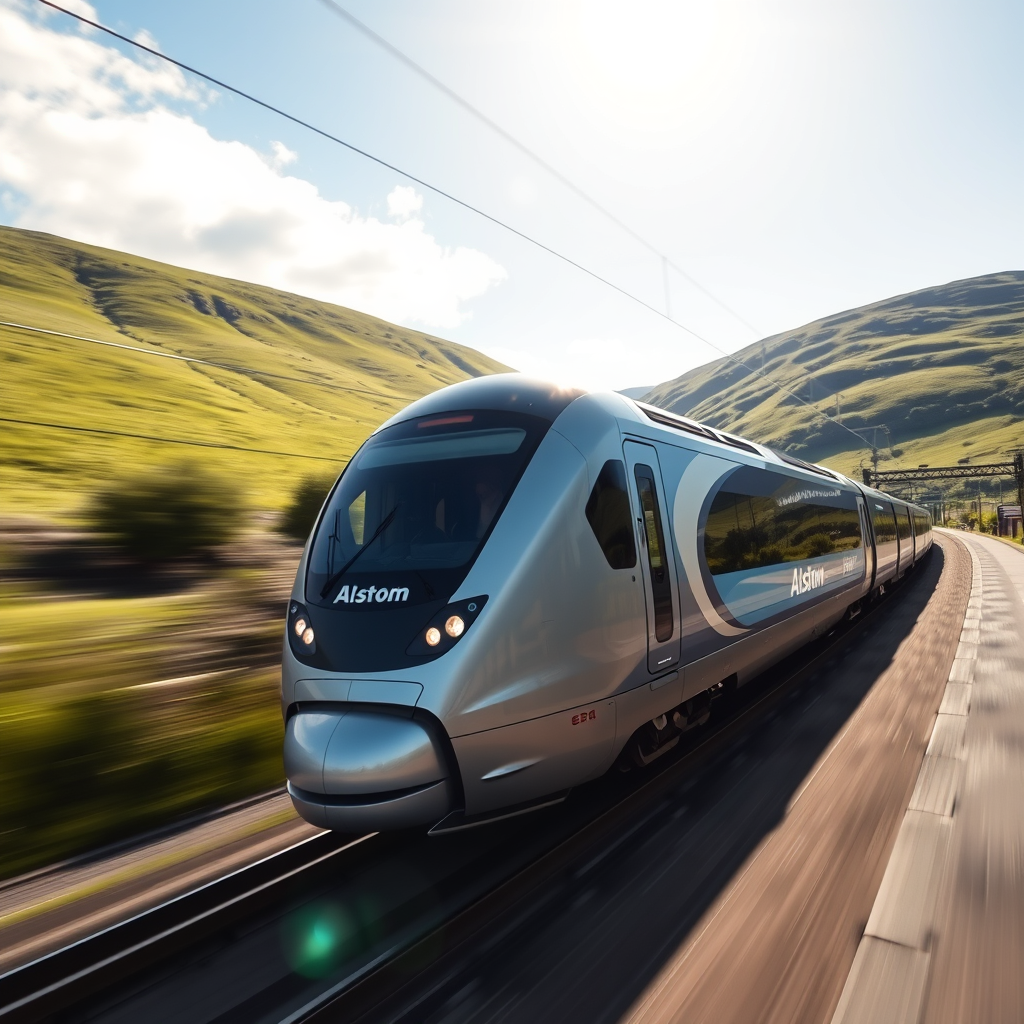
This article examines Alstom’s foray into passenger rail service provision in the United Kingdom, focusing on their proposed open-access operation between London and Wrexham, Wales. The ambition represents a significant shift for Alstom, traditionally known as a leading Original Equipment Manufacturer (OEM) of rolling stock. This move highlights the evolving dynamics of the UK rail industry, the increasing importance of open-access operations, and the potential benefits—both economic and societal—of increased competition in the passenger rail market. The analysis will explore the operational aspects of the proposed service, its potential impact on the existing rail network, the regulatory framework governing open-access operations, and the broader implications for the future of passenger rail in the UK. The environmental considerations inherent in the shift towards electric-powered rail services will also be discussed, focusing on Alstom’s commitment to sustainable transportation solutions.
Alstom’s Entry into the UK Passenger Rail Market
Alstom’s decision to establish a passenger rail service marks a significant strategic move for the company. Traditionally focused on manufacturing and supplying rolling stock to various operators, this foray into direct service provision positions them as a fully integrated player in the UK rail market. Partnering with SLC Rail, a UK-based consultancy, for the Wrexham, Shropshire and Midlands Railway (WSMR) operation, demonstrates a keen understanding of the local market and regulatory landscape. The WSMR proposal outlines a robust schedule with multiple daily services between London Euston and Wrexham General, stopping at key locations along the route. This direct service addresses a currently unmet need for passengers, who would otherwise require multiple transfers, adding both time and inconvenience to their journey. The strategic intent is to directly compete within the existing rail franchise system, offering increased choice and potentially more competitive fares to the traveling public.
The Open Access Model and Regulatory Framework
WSMR’s operation as an open-access operator (OAO) is crucial to understanding its potential impact. Open access allows train operating companies to operate services on existing infrastructure without being part of the government’s franchise system. This approach fosters competition and innovation, offering passengers a wider array of choices and potentially better service levels. However, this model is subject to regulation by the Office of Rail and Road (ORR). The ORR assesses applications rigorously, ensuring that proposed services meet safety standards, capacity constraints, and overall network efficiency. Alstom’s submission of a formal application to the ORR underscores their commitment to adhering to the established regulatory framework and the rigorous processes involved in securing approval for open-access operations.
Impact on Existing Rail Networks and Communities
The WSMR service offers multiple potential benefits to the UK rail network and the communities it will serve. The reintroduction of passenger services on the Sutton Park line north of Birmingham highlights the ability of open-access operators to revitalize underutilized infrastructure and address transport gaps within existing networks. This not only provides more convenient rail access for underserved communities but could also contribute to easing congestion in major urban areas by diverting traffic from roads to rail. Additionally, the service’s impact extends to economic development, supporting sustainable housing growth and creating opportunities for business, leisure, and commerce along the corridor. The increased connectivity fostered by the WSMR service directly supports local economies, creating a ripple effect of positive economic impact.
Sustainability and the Future of Rail in the UK
Environmental sustainability is a key consideration in modern rail transport. Alstom’s commitment to utilizing electric locomotives is a significant step in reducing the carbon footprint of rail travel. This commitment aligns with broader UK government strategies to decarbonize the transportation sector. Beyond the use of electric traction, the potential incorporation of heat recycling HVAC (Heating, Ventilation, and Air Conditioning) systems further demonstrates Alstom’s commitment to sustainable practices within the passenger rail industry. This holistic approach to environmental responsibility enhances the long-term viability and societal benefits of the WSMR service, setting a precedent for future rail developments and aligning with wider sustainability goals within the UK and globally.
Conclusions
Alstom’s venture into the UK passenger rail market with the proposed Wrexham, Shropshire and Midlands Railway (WSMR) service represents a significant development in the UK rail industry. This move, operating as an open-access operator, introduces increased competition, offers enhanced choices for passengers, and potentially improves service quality through competitive pressures. The service’s operational model, as approved by the Office of Rail and Road (ORR), demonstrates adherence to stringent regulatory standards while simultaneously addressing existing network gaps and bolstering regional connectivity. The reintroduction of passenger services to previously underutilized lines, particularly the Sutton Park line, showcases the potential of open-access operators to revitalize infrastructure and better serve underserved communities. The emphasis on environmental sustainability, underscored by the use of electric locomotives and potentially heat-recycling HVAC systems, positions WSMR as a forward-thinking operator aligned with national decarbonization objectives. The success of WSMR could serve as a model for future open-access initiatives within the UK, promoting competition, innovation, and ultimately, enhanced passenger experiences within a more environmentally responsible rail network. The long-term implications are substantial, potentially impacting not only passenger travel but also economic growth and sustainable urban development across the regions served.

Railway infrastructure, rolling stock and transport technologies specialist focused on global rail industry developments, high-speed rail systems, signaling technologies and freight transportation. Covering railway investments, public transport modernization, rail operations and international mobility projects across Europe, Asia and North America.
RELATED POSTS

October 8, 2026 1:15 pm
Alstom secured a €1bn contract to build 13 automated trains,...

October 1, 2026 7:09 am
United States regulators confirmed a September 30 deadline for the...

October 4, 2026 5:14 pm
Alstom secured a CA$4.7 billion order from VIA Rail Canada...

October 8, 2026 12:18 pm
Siemens Mobility signed an agreement with VinSpeed to supply 350...

October 5, 2026 6:12 pm
AECOM and Jacobs secured a contract in September 2026 to...

October 4, 2026 11:08 pm
Sound Transit confirmed the September 30 opening of Seattle Pinehurst...