
Auckland Rail Operations Centre: A New Era for NZ Rail
The newly opened Auckland Rail Operations Centre (AROC) represents a significant leap forward in New Zealand’s rail network management, centralizing operations under one roof and improving efficiency, reliability, and future growth potential for the expanding public transport system.
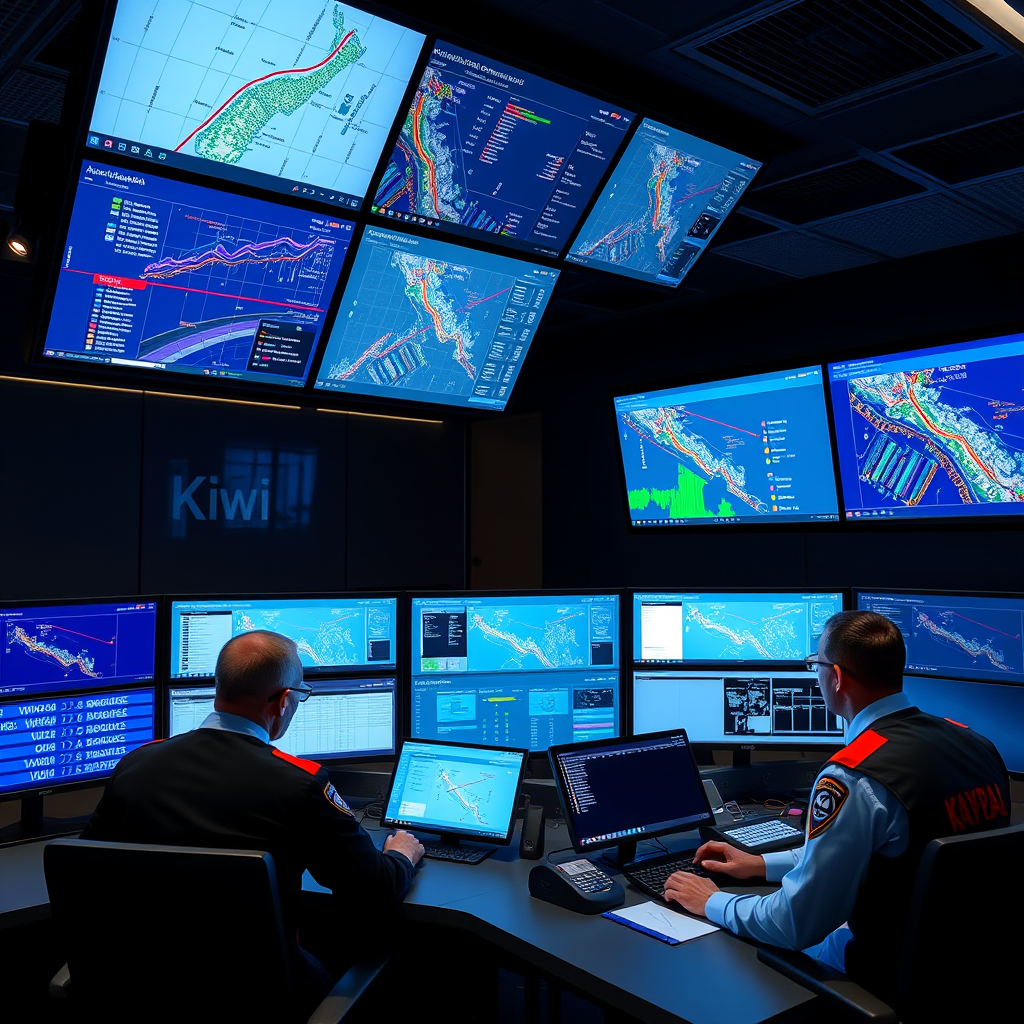
This article explores the significant implications of the newly opened Auckland Rail Operations Centre (AROC) in New Zealand. The AROC represents a substantial step forward in the modernization and integration of the country’s rail infrastructure, bringing together previously disparate operations under one roof. This centralization promises to improve efficiency, enhance passenger service reliability, and lay the groundwork for future expansion of rail services within Auckland and across the nation. The integration of multiple organizations, including KiwiRail, Auckland Transport (AT), and Auckland One Rail (AoR), under a single operational umbrella underscores a commitment to collaborative, coordinated management of the burgeoning rail network. This move toward centralized control signifies a paradigm shift in how New Zealand manages its railway systems, paving the way for more integrated and efficient public transport operations. The AROC is not merely a physical location but a symbol of strategic investment in the future of New Zealand’s rail industry, with implications for both passenger experience and national economic growth. The technological advancements incorporated into the design of the AROC, combined with its seismic resilience, reflect a long-term vision for a robust and reliable rail system capable of accommodating significant growth in passenger numbers.
Consolidation and Collaboration: A Unified Approach to Rail Management
The AROC brings together three key players in Auckland’s rail network: KiwiRail, responsible for national rail infrastructure; Auckland Transport (AT), the overall transport authority; and Auckland One Rail (AoR), the city’s metro rail operator. This consolidation facilitates seamless communication and coordinated responses to operational challenges. Previously, separate control centers created information silos and potential delays in addressing disruptions. The centralized AROC eliminates these issues, allowing for a more efficient and responsive management system. The collaborative environment fosters better problem-solving and allows teams to proactively address potential issues before they escalate, improving the overall passenger experience.
Enhanced Passenger Services and Network Capacity
The improved coordination made possible by the AROC directly benefits passengers. Faster response times to disruptions, such as track issues or signaling problems, mean less delay and improved reliability. The unified control system enables better scheduling and optimization of train services, maximizing network capacity and potentially increasing the frequency of train departures. This improved efficiency contributes to a more attractive and dependable rail service, thereby encouraging greater ridership. The NZ$7 billion investment in Auckland’s rail infrastructure, including the AROC, is directly aimed at increasing annual rail journeys from 12.5 million to 29 million. The goal is to increase market share from 68% to 90%, demonstrating a strong commitment to rail as a key component of Auckland’s public transportation system.
Technological Advancement and Future-Proofing
The AROC is not just a building; it’s a sophisticated technological hub equipped with state-of-the-art systems and extensive redundancy for maximum operational resilience. The inclusion of 31km of cabling, 1,500 power points, and two backup generators illustrates a commitment to dependable operations. Additionally, the AROC’s earthquake-resistant design, built to withstand a one-in-a-thousand-year seismic event, ensures continuous operation even during significant natural disasters. The system also incorporates features allowing for seamless handover of control to the national Rail Operations Centre in Wellington, providing a failsafe mechanism in the event of a major disruption to either facility. This focus on resilience and redundancy makes the AROC a robust and dependable component of the national rail network.
Conclusion: A Foundation for Future Growth
The opening of the Auckland Rail Operations Centre marks a significant milestone in the evolution of New Zealand’s railway system. By centralizing control, fostering collaboration, and integrating advanced technology, the AROC lays the foundation for a more efficient, reliable, and passenger-focused rail network. The AROC’s advanced infrastructure, including its backup systems and earthquake-resistant design, showcases a commitment to ensuring operational resilience and minimizing service disruptions. The project’s success hinges on the ability of KiwiRail, Auckland Transport, and Auckland One Rail to effectively leverage the centralized platform to improve coordination and responsiveness. The increased capacity and enhanced service reliability offered by the AROC will be crucial in achieving the ambitious goal of significantly increasing rail passenger numbers in Auckland. The integration with other public transport modes, such as bus and ferry networks, further strengthens the AROC’s position as a cornerstone of Auckland’s integrated transport strategy. The AROC’s design, incorporating features such as redundant power sources and a system capable of being managed remotely from Wellington, further underlines the project’s commitment to ensuring long-term resilience. Successful implementation of the AROC model could serve as a template for other cities and nations seeking to modernize and optimize their rail networks. The project’s emphasis on collaboration and technological advancement represents a significant step towards the future of sustainable, efficient, and passenger-centric rail transport within New Zealand.

Railway infrastructure, rolling stock and transport technologies specialist focused on global rail industry developments, high-speed rail systems, signaling technologies and freight transportation. Covering railway investments, public transport modernization, rail operations and international mobility projects across Europe, Asia and North America.
RELATED POSTS

September 5, 2026 4:19 pm
CPK launched formal tender talks with four consortia to design...

September 5, 2026 7:14 pm
HS2 Ltd signed renegotiated civils contracts with EKFB and Align...

September 6, 2026 4:12 am
Alstom delivered the first of 100 new G Class trams...
September 6, 2026 8:17 am
DB InfraGO reopened the Nuremberg-Regensburg line in Bavaria on 31...
September 5, 2026 6:17 pm
Universal Signalling won a deal to install its U-Cross system...
September 6, 2026 12:20 pm
Indian Railways ordered a probe after a fire destroyed 2...