
Belfast Grand Central Station: A New Era for NI Rail
The recent opening of Belfast Grand Central Station represents a significant investment in Northern Ireland’s rail network, marking a pivotal moment in modernizing and expanding public transportation capabilities.
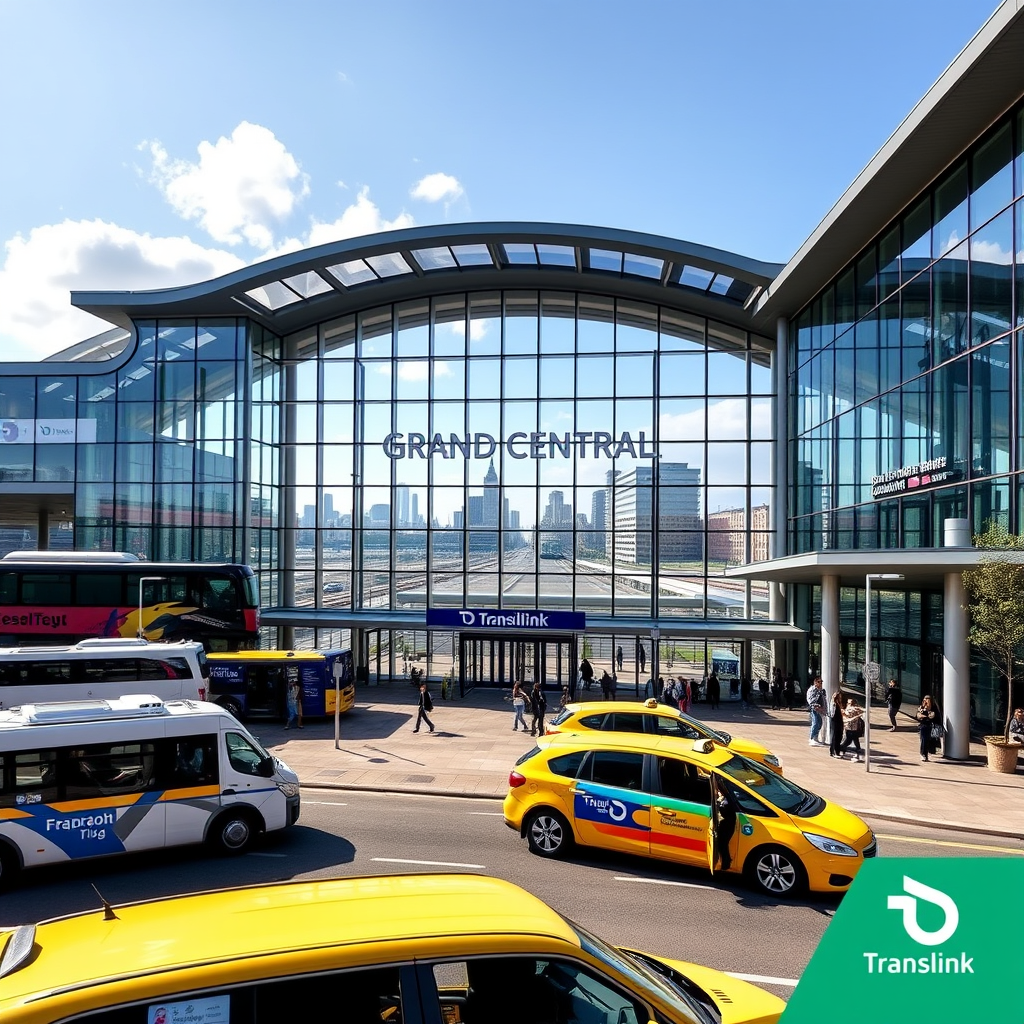
The Opening of Belfast Grand Central Station: A New Era for Northern Irish Rail
The recent opening of Belfast Grand Central Station marks a pivotal moment in Northern Ireland’s transportation infrastructure. This £340 million (approximately $438 million USD) integrated public transport hub represents a significant investment in the country’s rail network and signifies a commitment to modernizing and expanding its public transportation capabilities. This article will explore the significance of this new station, examining its design, its potential impact on the region, the challenges overcome during its construction, and the future implications for rail travel in Northern Ireland and beyond. The analysis will delve into the station’s role in achieving sustainability goals, its integration with other transport modes, and its potential to stimulate economic growth in the region. Additionally, we will examine the station in the context of broader all-island rail investment strategies and the ambitious net-zero targets set for the region.
A Modern Transportation Hub
Belfast Grand Central Station is more than just a railway station; it’s a state-of-the-art integrated transport hub designed to seamlessly connect rail and bus services. This design is intended to streamline passenger journeys and encourage the use of public transport. The station’s design incorporates modern architectural features, alongside passenger-centric facilities such as improved accessibility features, ample waiting areas, and retail spaces. The station’s construction addresses crucial accessibility needs, promising improved ease of use for all passengers. The integration of bus services enhances connectivity throughout the city and surrounding areas, creating a more efficient and convenient public transport network.
Overcoming Challenges and Meeting Deadlines
The construction of Belfast Grand Central Station wasn’t without its challenges. The project, initiated in 2016, faced typical hurdles associated with large-scale infrastructure projects, including logistical complexities, budget management, and the coordination of various stakeholders. While the station opened for bus services, the rail safety authorization process remains ongoing, delaying the commencement of train services. This delay underscores the stringent safety regulations and thorough testing procedures required for rail operations. The temporary disruption to rail services caused by the closure of the Great Victoria Street Station highlights the importance of careful planning and execution in such large-scale infrastructure projects.
Sustainability and Future Expansion
The Northern Ireland government’s commitment to decarbonization is reflected in the design and functionality of the new station. The station’s construction and operation are designed with sustainability in mind, aiming to minimize its environmental impact. Additionally, the station’s opening directly contributes to the government’s overall strategy to shift towards more sustainable transportation options, aligning with international efforts to reduce carbon emissions. The All-Island Strategic Review, calling for expansion and upgrades to the rail network, highlights the larger context of Belfast Grand Central Station – as a key component of broader infrastructure development plans aiming for net-zero targets by 2050. This vision points towards a significant expansion of rail services across the island of Ireland.
Economic Impact and Regional Connectivity
Belfast Grand Central Station is expected to significantly improve regional connectivity, stimulating economic growth within Belfast and the wider region. The projected 20 million passenger journeys per year underscores the station’s potential to become a major transportation hub, facilitating increased movement of people and goods. Improved connectivity can foster tourism, support business development, and enhance the overall quality of life for residents. The station’s design and functionality aim to attract both local commuters and tourists, contributing to a more vibrant city center and boosting the regional economy. The integration of various transport modes, coupled with accessibility features, further enhances the station’s potential for economic benefit.
Conclusions
The opening of Belfast Grand Central Station represents a significant investment in Northern Ireland’s future. The £340 million project, a modern integrated transport hub designed to seamlessly connect rail and bus services, signifies a commitment to enhancing public transport and achieving ambitious sustainability goals. While the initial opening focused on bus services, pending completion of the rail safety authorization process, the station is poised to revolutionize rail travel in Belfast and beyond. The project’s success hinges on effective integration with existing infrastructure, efficient management of passenger flows, and the ongoing commitment to environmental sustainability. The station’s predicted 20 million annual passenger journeys highlight its potential to become a catalyst for economic growth and regional connectivity. Viewed within the context of the All-Island Strategic Review, which advocates for expanding and upgrading rail infrastructure across Ireland, Belfast Grand Central Station stands as a powerful symbol of a broader commitment to sustainable transportation and a greener future. The success of this project will not only serve as a benchmark for future infrastructure projects in Northern Ireland but will also influence the overall development of rail networks across the island, contributing to a more interconnected and environmentally responsible transport system. The challenges faced during construction, such as the rail safety authorization process, underscore the importance of rigorous planning and safety protocols in large-scale projects. The successful implementation of the project will ultimately contribute to a more efficient, accessible, and sustainable transportation system for the region.

Railway infrastructure, rolling stock and transport technologies specialist focused on global rail industry developments, high-speed rail systems, signaling technologies and freight transportation. Covering railway investments, public transport modernization, rail operations and international mobility projects across Europe, Asia and North America.
RELATED POSTS

September 5, 2026 4:19 pm
CPK launched formal tender talks with four consortia to design...

September 5, 2026 7:14 pm
HS2 Ltd signed renegotiated civils contracts with EKFB and Align...
September 6, 2026 4:12 am
Alstom delivered the first of 100 new G Class trams...
September 6, 2026 8:17 am
DB InfraGO reopened the Nuremberg-Regensburg line in Bavaria on 31...
September 5, 2026 6:17 pm
Universal Signalling won a deal to install its U-Cross system...
September 6, 2026 12:20 pm
Indian Railways ordered a probe after a fire destroyed 2...