
Post-HS2 Rail Revolution: A Northern Powerhouse Vision
The Northern Powerhouse Metro mayors envision a “golden era” for regional rail in the UK post-HS2 cancellation, advocating for integrated transport solutions and prioritizing speed of delivery through public ownership models, domestically manufactured rolling stock, and seamless connections with existing bus rapid transit systems.
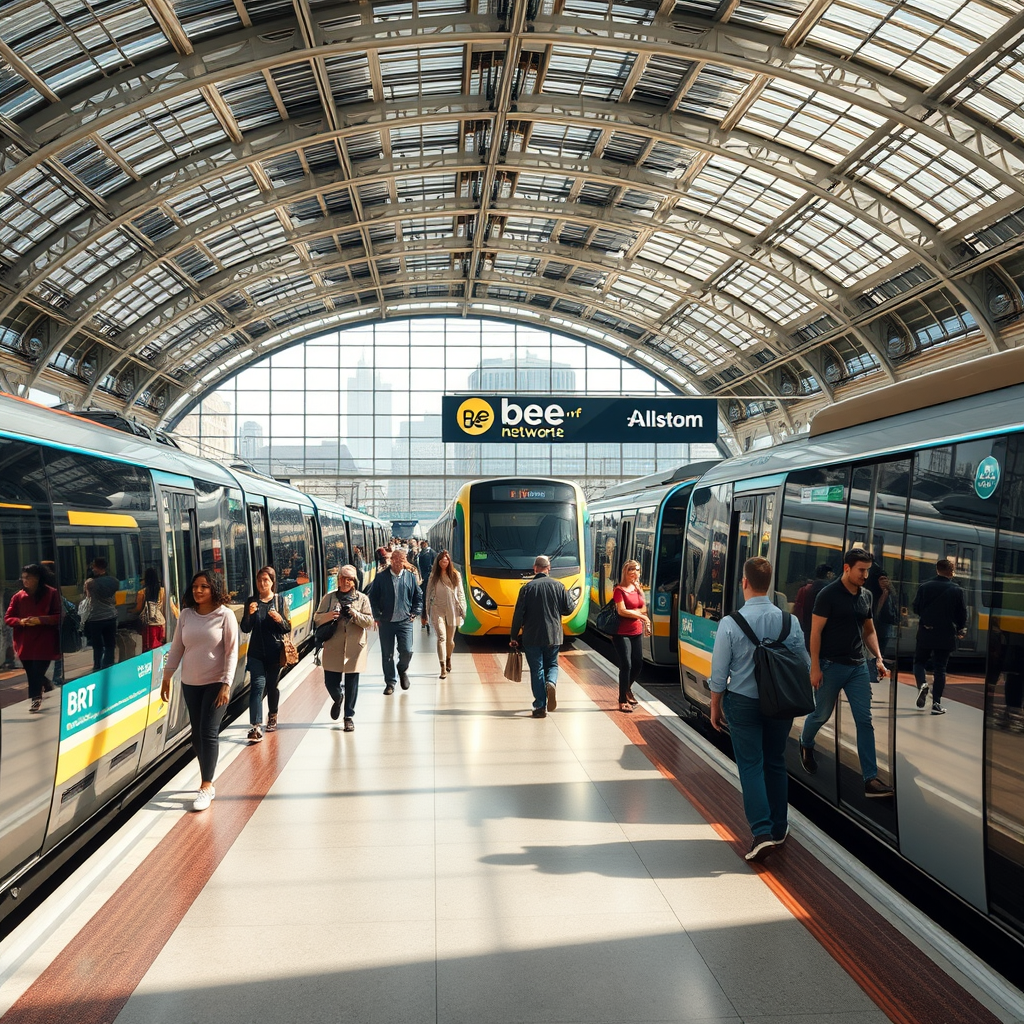
The Future of UK Rail: A Northern Perspective on Post-HS2 Development
The cancellation of the High Speed Two (HS2) project’s northern leg in October 2023 sent shockwaves through the UK rail industry, leaving many questioning the future of rail infrastructure development. This article explores the perspectives of several UK metro mayors, particularly those in the North of England, who envision a “golden era” for regional rail despite the setback. Their vision hinges on a fundamental culture change within the rail industry, embracing integrated transport solutions and prioritizing speed of delivery. The mayors advocate for a shift towards public ownership models, echoing the success seen in bus networks, and championing the use of domestically manufactured rolling stock to stimulate economic growth and job creation. This analysis will examine the challenges and opportunities facing the UK rail sector post-HS2, focusing on the Northern Powerhouse’s proposed solutions and their potential impact on the national railway network.
The Northern Powerhouse’s Vision for Integrated Transport
Metro mayors across the North of England, including Andy Burnham (Greater Manchester), Tracey Brabin (West Yorkshire), Oliver Coppard (South Yorkshire), and Steve Rotherham (Liverpool City Region), have united in their call for a radical overhaul of the UK rail system. They are advocating for a more integrated approach, moving beyond the fragmented nature of the current network. This vision entails connecting regional rail networks seamlessly with existing and planned bus rapid transit (BRT) systems, like Greater Manchester’s “Bee Network,” creating a truly holistic transport solution. The mayors’ emphasis on integration aims to improve passenger experience, optimize network efficiency, and promote modal shift from road to rail.
Public Ownership and the Revitalization of British Rail Manufacturing
A central theme in the mayors’ proposals is a greater emphasis on public ownership and control of transport assets. The successful transition of bus networks into public hands in some regions is presented as a model for the rail sector. This approach is not merely about ownership, but about strategic planning and investment. By controlling the rail assets, local authorities believe they can better align infrastructure development with regional needs and priorities. Crucially, this shift also provides an opportunity to revitalize the British rail manufacturing industry. The mayors see the potential for significant growth in domestic train manufacturing, creating jobs and boosting the national economy through contracts for projects such as the Bee Network expansion.
Addressing the HS2 Cancellation and its Consequences
The cancellation of HS2’s northern leg has had significant negative consequences, significantly threatening the closure of Alstom’s rolling stock assembly plant in Derby, jeopardizing thousands of jobs. The mayors acknowledge the government’s responsibility for addressing the impact of this cancellation and highlight the broader ripple effect on the rail industry. They argue that local initiatives, like the expanded Bee Network, offer a counterbalance to the setbacks caused by HS2 cancellation, fostering innovation and growth within a revised strategic framework. By focusing on regional projects, they are seeking to mitigate the economic damage and create opportunities for local employment. This necessitates a close partnership between local and national government.
The Path Forward: Collaboration and a Culture Change
The mayors’ proposals are not merely about replacing the cancelled HS2 leg with a new line (such as the proposed Handacre to Manchester Piccadilly link). The core message emphasizes the urgent need for a culture change within the rail industry. This involves fostering stronger collaboration between government, local authorities, and the private sector to deliver integrated transport solutions swiftly and efficiently. The mayors recognize the frustration felt by residents and businesses due to delays and inefficiencies, reiterating their commitment to working with the rail industry to find solutions, not simply to score political points. The successful implementation of these proposals requires a shared commitment to innovation, efficiency, and a focus on delivering tangible improvements for passengers and the wider economy. The proposed shift towards public ownership, coupled with a renewed focus on British-made rolling stock, has the potential to create a truly “golden era” for UK rail, particularly in the North, but only if accompanied by a significant and sustained culture change within the industry and a proactive partnership between all levels of government.

Railway infrastructure, rolling stock and transport technologies specialist focused on global rail industry developments, high-speed rail systems, signaling technologies and freight transportation. Covering railway investments, public transport modernization, rail operations and international mobility projects across Europe, Asia and North America.
RELATED POSTS

September 5, 2026 4:19 pm
CPK launched formal tender talks with four consortia to design...

September 5, 2026 7:14 pm
HS2 Ltd signed renegotiated civils contracts with EKFB and Align...

September 6, 2026 4:12 am
Alstom delivered the first of 100 new G Class trams...
September 5, 2026 6:17 pm
Universal Signalling won a deal to install its U-Cross system...

September 6, 2026 8:17 am
DB InfraGO reopened the Nuremberg-Regensburg line in Bavaria on 31...
September 6, 2026 12:20 pm
Indian Railways ordered a probe after a fire destroyed 2...