
J.B. Hunt & BNSF: Revolutionizing US Intermodal Transport
This article discusses J.B. Hunt Transport Services’ strategic collaboration with BNSF Railway, focusing on their joint efforts to expand intermodal transportation capabilities through fleet expansion, infrastructure development, technological integration, and sustainable initiatives in the United States.
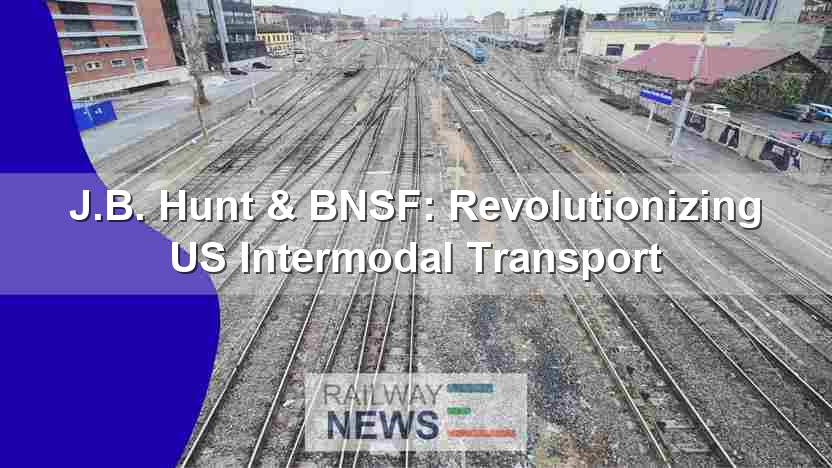
This article examines the strategic partnership between J.B. Hunt Transport Services (a major US transportation and logistics company) and BNSF Railway (Burlington Northern Santa Fe Railway, a prominent American railroad), focusing on their collaborative efforts to significantly expand intermodal transportation capabilities in the United States. The partnership aims to address current capacity constraints within the intermodal market, improve service reliability, and stimulate a shift towards intermodal freight transport. We will explore the key aspects of this collaboration, including fleet expansion plans, infrastructure investments, technological integrations, and the broader implications for the North American freight transportation landscape. This analysis will delve into the operational strategies employed by both companies, highlighting how their combined strengths contribute to a more efficient and sustainable intermodal ecosystem. The increasing demand for efficient and reliable freight transportation necessitates innovative solutions, and this partnership represents a significant step towards meeting this demand. The discussion will also consider the technological innovations and sustainability initiatives interwoven into this strategic alliance.
Fleet Expansion and Infrastructure Development
Central to the J.B. Hunt and BNSF partnership is a substantial expansion of J.B. Hunt’s intermodal container fleet. The plan involves increasing the fleet size to over 150,000 containers within three to five years, a significant investment reflecting the companies’ confidence in the future growth of intermodal transport. This expansion requires corresponding infrastructure development by BNSF. The railroad plans to enhance capacity at key intermodal facilities across its network, focusing on strategic locations in Southern California and Chicago, among others. This includes improving existing facilities and potentially developing new ones to accommodate the increased container volume. The strategic placement of these facilities near major transportation hubs will facilitate efficient transfer and seamless integration of the rail and trucking segments of the intermodal process. BNSF will also bolster its railcar fleet to ensure sufficient capacity for hauling the expanded container volume.
Technological Integration and Data-Driven Optimization
Technology plays a critical role in enhancing efficiency and optimizing operations within the partnership. The integration of J.B. Hunt’s 360° digital freight matching platform is a key element. This platform provides real-time visibility and data-driven decision-making capabilities, optimizing freight matching, routing, and scheduling. By connecting the digital platform with BNSF’s operational data, the companies aim to improve the predictability and reliability of intermodal service. This collaborative approach to data management enables more efficient resource allocation, reduces delays, and enhances overall supply chain visibility for customers. The seamless integration of technological systems will be vital for streamlining communications, improving accuracy, and providing valuable insights for future planning and operational enhancements. This technology-driven approach is crucial for maintaining competitive advantages in the increasingly dynamic freight transportation industry.
Service Reliability and Market Conversion
A primary objective of the partnership is to improve the consistency and reliability of intermodal services. Historically, intermodal transport has faced challenges related to unpredictable transit times and inconsistent service levels. By strategically investing in fleet expansion and infrastructure upgrades, while simultaneously integrating advanced technological solutions, the partnership aims to address these shortcomings. The enhanced capacity and operational efficiency should directly translate into improved service reliability, which is crucial for attracting and retaining customers. Additionally, a key strategic goal is to convert a significant portion of over-the-road trucking shipments to intermodal transport. The companies project that millions of additional shipments could be moved via intermodal based on analysis of past transactions and current bidding activity. This shift toward intermodal transport would significantly increase the overall efficiency and sustainability of the freight transportation system.
Sustainability Initiatives
While not explicitly detailed in the partnership announcement, the broader context suggests a commitment to sustainability. BNSF’s recent biofuel trial in collaboration with Wabtec demonstrates an interest in reducing the environmental impact of rail operations. The shift towards intermodal transport, compared to solely over-the-road trucking, often leads to lower greenhouse gas emissions per unit transported. The partnership’s focus on efficiency improvements can indirectly contribute to environmental sustainability by minimizing fuel consumption and reducing congestion on highways. Future collaborations in the area of sustainable transportation practices are likely to be an important component of this long-term strategic partnership.
Conclusions
The strategic alliance between J.B. Hunt and BNSF represents a significant development in the North American intermodal transportation sector. The partnership’s ambitious plans for fleet expansion, infrastructure improvements, and technological integration aim to address critical challenges facing the industry, such as capacity constraints and service reliability issues. By combining their respective strengths and expertise, J.B. Hunt and BNSF are creating a more robust and efficient intermodal system. The projected shift of millions of shipments from over-the-road trucking to intermodal will have a positive impact on both efficiency and sustainability. The integration of J.B. Hunt’s 360° platform showcases the importance of data-driven decision-making and real-time visibility in optimizing operations. While the partnership focuses on operational improvements and market expansion, the broader implications for the industry include a greater emphasis on intermodal solutions, enhanced service reliability, and the potential for increased sustainability through reduced emissions. The success of this venture will depend not only on the successful implementation of the planned infrastructure and technological integrations but also on effective collaboration, ongoing innovation, and adaptability to the ever-evolving dynamics of the freight transportation marketplace. The long-term sustainability of this initiative is also crucial. This collaboration serves as a model for future public-private partnerships aimed at strengthening the resilience and efficiency of the nation’s transportation infrastructure.

Railway infrastructure, rolling stock and transport technologies specialist focused on global rail industry developments, high-speed rail systems, signaling technologies and freight transportation. Covering railway investments, public transport modernization, rail operations and international mobility projects across Europe, Asia and North America.
RELATED POSTS

September 5, 2026 4:19 pm
CPK launched formal tender talks with four consortia to design...

September 5, 2026 7:14 pm
HS2 Ltd signed renegotiated civils contracts with EKFB and Align...

September 6, 2026 4:12 am
Alstom delivered the first of 100 new G Class trams...
September 5, 2026 6:17 pm
Universal Signalling won a deal to install its U-Cross system...
September 6, 2026 8:17 am
DB InfraGO reopened the Nuremberg-Regensburg line in Bavaria on 31...
September 6, 2026 12:20 pm
Indian Railways ordered a probe after a fire destroyed 2...