
Colorado Rail’s Big Leap: SB24-184 & FRPR Funding
The recently passed SB24-184 bill proposes a congestion fee on rental cars as a novel funding mechanism for securing local match required under federal infrastructure grants, marking a pivotal step towards realizing Colorado’s ambitious Front Range Passenger Rail Project.
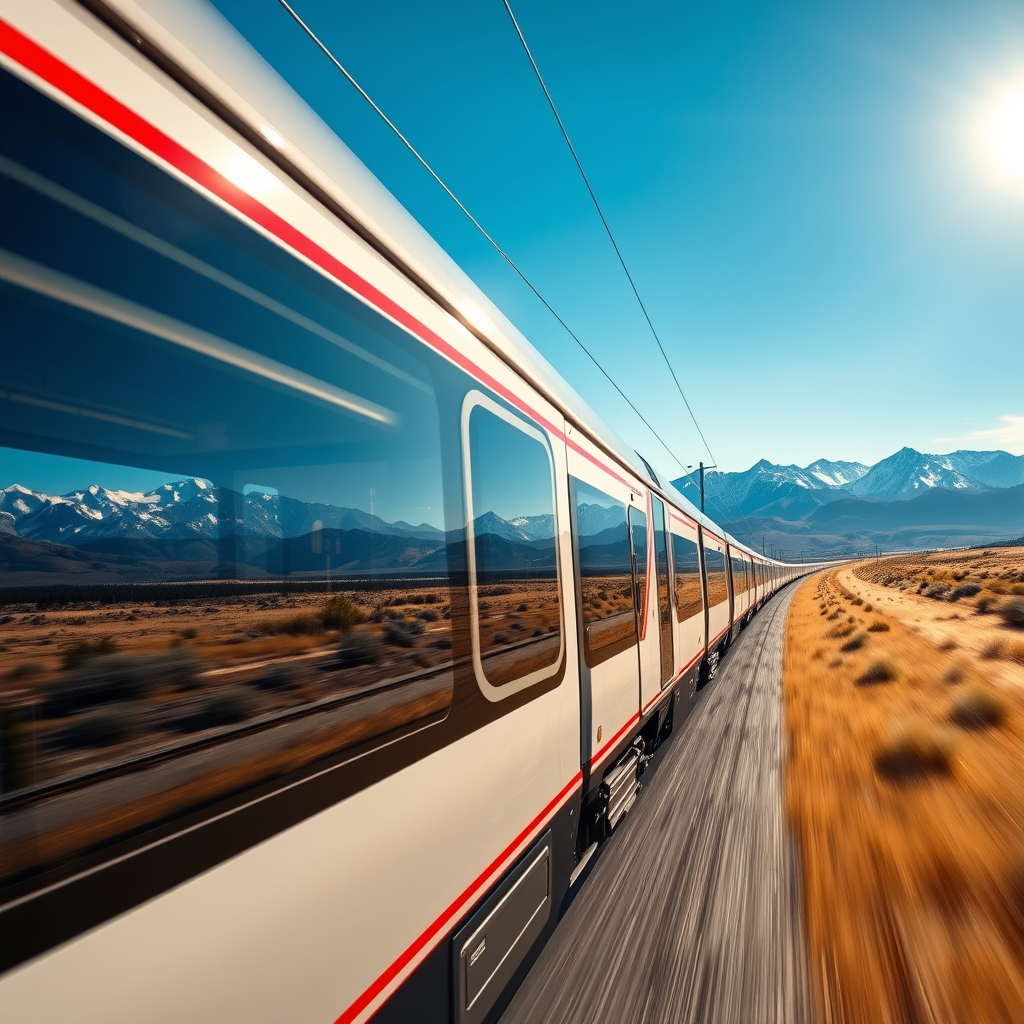
Introduction
This article examines the critical advancement of the Front Range Passenger Rail (FRPR) project in Colorado, focusing on the recently passed SB24-184 bill. This legislation proposes a novel funding mechanism – a congestion fee levied on rental car services – to secure the crucial local match required to access substantial federal funding earmarked for infrastructure improvements under the Bipartisan Infrastructure Law (BIL). The FRPR project, a long-term initiative to establish a north-south rail corridor along Colorado’s Front Range, connecting major cities like Fort Collins, Boulder, Denver, Colorado Springs, and Trinidad, represents a significant opportunity to enhance regional transportation, promote sustainable travel options, and stimulate economic growth. The passage of SB24-184 through a key state committee marks a pivotal step towards realizing this ambitious vision. This article will delve into the details of the bill, its potential impacts, and the broader implications for the future of rail transportation in Colorado.
Funding the Front Range Passenger Rail Project: The Role of SB24-184
The crux of SB24-184 lies in its innovative approach to securing local funding for the FRPR project. The bill introduces a congestion impact fee on rental cars, specifically a $3 per day fee for conventional vehicles and a $2 per day fee for electric vehicles (EVs). This mechanism is designed to generate an estimated $50 million annually. This revenue stream is crucial because federal grants, such as those provided by the BIL, typically require a significant local match. By implementing this rental car fee, Colorado aims to meet its obligation, thereby unlocking the substantial federal funds necessary to make the FRPR project a reality. The bill cleverly leverages the principles of congestion pricing, mitigating traffic congestion while simultaneously generating revenue for vital infrastructure development. This innovative approach makes it a model for other states facing similar funding challenges for large-scale transportation projects.
Collaboration and Coordination: Key Players in Project Implementation
The successful execution of the FRPR project hinges on effective collaboration between several key stakeholders. The bill explicitly directs the Regional Transportation District (RTD), the Front Range Passenger Rail District, and the Colorado Department of Transportation (CDOT) to work in unison to secure funding and oversee the project’s various phases. This coordinated approach is vital for navigating the complexities of securing funding, managing construction, and ensuring seamless integration with existing transportation networks. Additionally, the Colorado Transportation Investment Office will play a crucial role in directing funds to regional transit and rail services as identified in several relevant studies, including the Mountain Corridor Service Development Plan. This collaborative effort underscores the recognition that the FRPR project is not merely a transportation initiative but a significant regional development undertaking requiring a cohesive and unified strategy.
Addressing Sustainability and Economic Impacts
The FRPR project extends beyond its immediate transportation benefits. The initiative directly addresses growing concerns about sustainable transportation. By providing a viable alternative to personal vehicles, particularly for long-distance travel along the Front Range, the project aims to reduce carbon emissions and lessen the environmental impact of transportation. The economic benefits are equally significant. The project promises to create numerous jobs during the construction phase and stimulate economic growth along the corridor through enhanced accessibility and tourism. The improved connectivity will facilitate commerce and trade, making the region more attractive for businesses and residents alike. The project’s potential to boost Colorado’s economy, improve quality of life, and enhance its sustainability profile are all integral factors contributing to its overall value.
Conclusion
The passage of SB24-184 represents a landmark achievement in advancing the Front Range Passenger Rail project in Colorado. The bill’s innovative congestion fee on rental cars provides a sustainable funding mechanism to leverage federal infrastructure dollars, a critical step in overcoming the financial hurdles associated with such large-scale projects. The collaborative framework established by the bill, bringing together RTD, the Front Range Passenger Rail District, and CDOT, is essential for successful implementation. This coordinated approach is crucial for navigating the complexities involved in securing additional funding, managing construction, and integrating the new rail system into existing transportation networks. Additionally, the project aligns perfectly with Colorado’s sustainability goals by providing a viable alternative to personal vehicles, reducing carbon emissions, and fostering economic growth along the Front Range. The economic benefits are profound, encompassing job creation during construction, increased tourism, and enhanced business opportunities through improved regional connectivity. The successful completion of the FRPR project will transform Colorado’s transportation landscape, demonstrating the potential for innovative funding models and collaborative partnerships to realize ambitious infrastructure goals and fostering a more sustainable and prosperous future for the state.

Railway infrastructure, rolling stock and transport technologies specialist focused on global rail industry developments, high-speed rail systems, signaling technologies and freight transportation. Covering railway investments, public transport modernization, rail operations and international mobility projects across Europe, Asia and North America.
RELATED POSTS

September 5, 2026 4:19 pm
CPK launched formal tender talks with four consortia to design...

September 6, 2026 4:12 am
Alstom delivered the first of 100 new G Class trams...

September 5, 2026 7:14 pm
HS2 Ltd signed renegotiated civils contracts with EKFB and Align...
September 5, 2026 6:17 pm
Universal Signalling won a deal to install its U-Cross system...
September 6, 2026 8:17 am
DB InfraGO reopened the Nuremberg-Regensburg line in Bavaria on 31...
September 7, 2026 11:16 pm
China Railway Tunnel Group completed the 11.3-km underwater Yangtze tunnel...