
Amtrak’s Green Revolution: ALC-42 & Sustainable Rail
Amtrak’s strategic approach to reducing greenhouse gas emissions by 40% through a combination of technological advancements, infrastructure improvements, and a shift towards sustainable transportation practices exemplifies the railway industry’s commitment to minimizing environmental impact while maintaining passenger rail’s long-term viability.
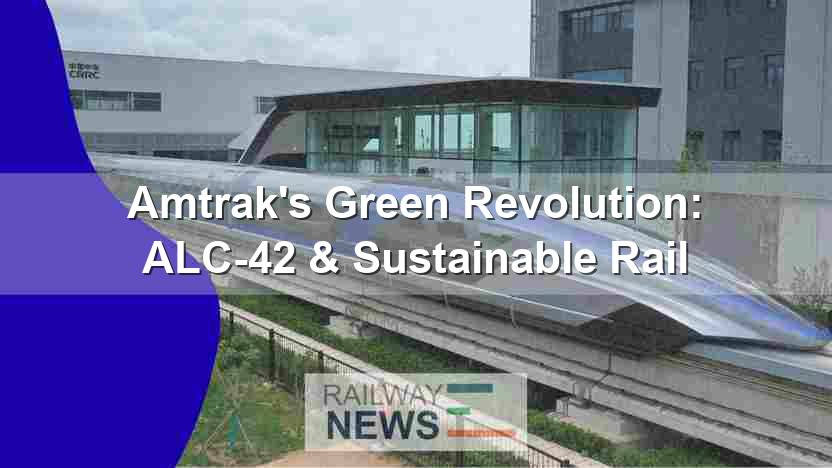
This article explores Amtrak’s ambitious plan to significantly reduce its greenhouse gas (GHG) emissions by 40% by 2030. This commitment involves a multifaceted strategy encompassing the transition to carbon-free electricity, the introduction of a new generation of highly efficient locomotives, and ongoing infrastructure improvements. The success of this initiative hinges on technological advancements, strategic partnerships, and a broader shift towards sustainable transportation practices within the national railway system. Amtrak’s efforts serve as a case study for other railway operators seeking to minimize their environmental impact and contribute to a greener future. The impact of such initiatives on both the environment and the long-term viability of passenger rail will also be considered.
The ALC-42 Locomotive: A Technological Leap Towards Emission Reduction
Central to Amtrak’s emission reduction strategy is the deployment of the new ALC-42 locomotive series (a joint development between Amtrak and Siemens Mobility). These locomotives represent a substantial upgrade from Amtrak’s legacy fleet, boasting significant improvements in fuel efficiency and emissions reduction. Specifically, the ALC-42s achieve a remarkable reduction in nitrogen oxide (NOx) emissions by over 89% and particulate matter by 95% compared to older models. This technological advancement is crucial for minimizing air pollution and directly contributes to Amtrak’s overarching GHG reduction goal. The manufacturing of these locomotives at Siemens Mobility’s Sacramento facility highlights the importance of domestic production and its contribution to job creation.
Transition to Carbon-Free Electricity: Powering a Sustainable Future
Amtrak’s commitment extends beyond locomotive technology to encompass the broader energy supply chain. The company plans to transition entirely to carbon-free electricity sources by 2030. This ambitious goal necessitates significant investment in renewable energy infrastructure and potentially partnerships with energy providers committed to sustainable practices. This transition represents a systemic change within Amtrak’s operations, affecting not only the energy source for its trains but also the overall carbon footprint of the entire rail network. The challenges associated with this transition include securing reliable carbon-free energy sources, ensuring grid stability, and managing the substantial financial investment required.
Infrastructure Improvements: Enhancing Passenger Experience and Operational Efficiency
Amtrak’s commitment to sustainability also encompasses improvements to its infrastructure. The $5.4 million upgrade to the Greenwood station, for example, demonstrates a focus on enhancing the passenger experience while indirectly contributing to operational efficiency. Improved infrastructure can lead to smoother operations, reduced delays, and increased ridership, all of which can contribute to the overall sustainability of the railway system. These improvements aren’t solely focused on passenger comfort; they also incorporate elements designed to improve the efficiency of train operations and potentially reduce energy consumption.
Strategic Partnerships and Policy Support: The Foundation for Success
Amtrak’s success in achieving its emission reduction goals depends heavily on strategic partnerships and supportive policy environments. Collaboration with Siemens Mobility in developing the ALC-42 locomotives highlights the importance of technological innovation through collaborative efforts. Additionally, alignment with President Biden’s Climate Change Commitment and the Federal Railroad Administration’s (FRA) initiatives provides crucial policy support for the transition to a more sustainable railway system. Securing continued federal and private investment will be vital to the long-term success of Amtrak’s ambitious plans.
Conclusions
Amtrak’s ambitious 40% GHG emission reduction target by 2030 represents a significant commitment to environmental sustainability within the rail transportation sector. This commitment rests on three key pillars: the deployment of the highly efficient ALC-42 locomotives, a complete transition to carbon-free electricity, and continuous investment in infrastructure improvements. The success of this multifaceted strategy hinges on technological innovation, strategic partnerships (such as the collaboration with Siemens Mobility), and supportive policy environments at both the national and local levels. The substantial reduction in NOx and particulate matter achieved by the ALC-42 locomotives, coupled with the shift towards carbon-free electricity, showcases Amtrak’s dedication to minimizing its environmental impact. The improvements to stations like Greenwood, while seemingly less directly related to emissions, contribute to a more efficient and appealing passenger rail service, indirectly supporting the overall sustainability goals. The initiative serves not only as a crucial step toward reducing America’s carbon footprint but also as a model for other railway operators globally striving to adopt environmentally responsible practices. The challenges ahead, including securing sufficient funding and navigating the complexities of transitioning to renewable energy sources, are considerable. However, Amtrak’s proactive approach and demonstrated commitment to sustainable practices signal a positive step toward a greener future for rail transportation.

Railway infrastructure, rolling stock and transport technologies specialist focused on global rail industry developments, high-speed rail systems, signaling technologies and freight transportation. Covering railway investments, public transport modernization, rail operations and international mobility projects across Europe, Asia and North America.
RELATED POSTS

September 5, 2026 4:19 pm
CPK launched formal tender talks with four consortia to design...

September 5, 2026 7:14 pm
HS2 Ltd signed renegotiated civils contracts with EKFB and Align...

September 6, 2026 4:12 am
Alstom delivered the first of 100 new G Class trams...
September 5, 2026 6:17 pm
Universal Signalling won a deal to install its U-Cross system...
September 6, 2026 8:17 am
DB InfraGO reopened the Nuremberg-Regensburg line in Bavaria on 31...
September 6, 2026 12:20 pm
Indian Railways ordered a probe after a fire destroyed 2...