
Munich’s C2 Metro: A Sustainable Revolution
The first C2 metro train delivered by Siemens Mobility marks a pivotal moment for Munich’s public transport system, showcasing technological advancements designed to enhance passenger comfort and promote environmental sustainability through improved accessibility, enhanced information systems, and regenerative braking technology, while also highlighting the collaborative manufacturing process between different sites within Siemens Mobility.
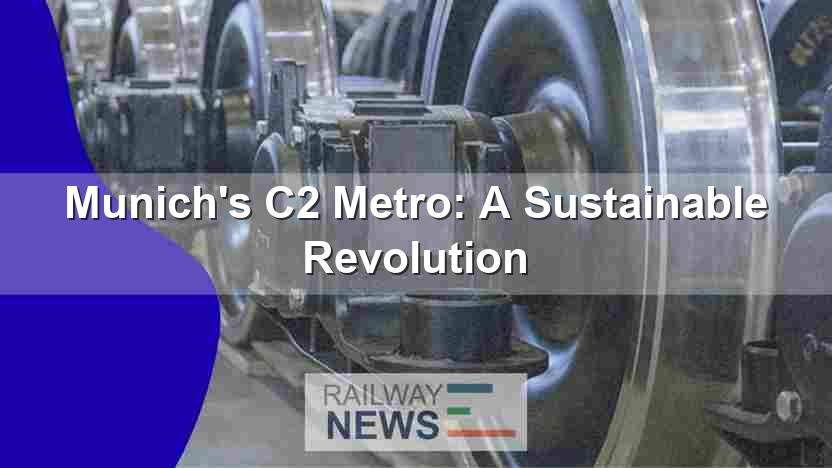
This article examines the recent delivery of the first C2 metro train to the Munich Transport Company (MVG) by Siemens Mobility, highlighting the significance of this event within the context of Munich’s ongoing public transport modernization and the broader trends in sustainable and efficient urban rail systems. The delivery marks a key milestone in a larger contract encompassing a substantial expansion of Munich’s metro fleet, showcasing the collaboration between Siemens Mobility and Stadtwerke München (SWM). We will delve into the technological advancements incorporated in the C2 train, its impact on passenger experience and environmental sustainability, the manufacturing process and logistical considerations, and the strategic implications of this procurement for MVG’s long-term operational plans. The analysis will consider the broader context of urban rail modernization projects globally and the increasing focus on environmentally friendly transportation solutions.
The C2 Metro Train: A Technological Advancement for Munich
The delivery of the first C2 metro train represents a significant step forward for Munich’s public transportation system. These trains, built by Siemens Mobility, are not simply replacements for aging vehicles; they incorporate a range of technological improvements designed to enhance passenger comfort, increase capacity, and promote environmental sustainability. Key features include improved accessibility for passengers with disabilities, enhanced passenger information systems, and a more spacious and comfortable interior layout designed to accommodate increased ridership. Additionally, the regenerative braking system, a crucial aspect of the C2’s sustainable design, feeds energy back into the power grid during braking, reducing overall energy consumption and minimizing the carbon footprint of the Munich metro system. This directly addresses the growing global need for eco-friendly public transportation solutions.
Manufacturing and Logistics: A Collaborative Effort
The manufacturing of the C2 trains is a collaborative effort between Siemens Mobility’s facilities in Vienna (vehicle bodies) and Graz (bogies). This division of labor leverages the expertise and resources of different manufacturing sites, highlighting efficient supply chain management within Siemens Mobility. The delivery of the trains to SWM’s technical base in Fröttmaning underscores the importance of meticulous logistics in large-scale rail projects. Thorough testing and certification processes are essential before the trains can enter passenger service, ensuring the safety and reliability of the system. The anticipated delivery timeframe of 2024-2025 speaks to the scale of the undertaking and the complex coordination required to integrate new rolling stock into an existing operational network.
Strategic Implications for MVG: Modernization and Expansion
MVG’s order of additional C2 trains underscores a long-term strategy focused on modernizing and expanding its metro network. The decision to procure more C2 trains, building on the success of previous deliveries since 2016, demonstrates confidence in the vehicle’s proven design and operational capabilities. The replacement of the older A-trains is a phased approach to fleet renewal, ensuring a smooth transition and minimal disruption to services. The projected increase in the number of C2 trains operating in Munich to 85 illustrates a significant investment in improving the city’s public transport infrastructure, catering to growing population and urban mobility demands. This demonstrates a clear commitment to enhancing the efficiency and sustainability of the city’s transport system.
Broader Context: Global Trends in Sustainable Urban Rail
The C2 metro train project aligns with global trends in sustainable urban rail development. Cities worldwide are increasingly investing in modern, efficient, and environmentally friendly public transportation solutions to address issues such as traffic congestion, air pollution, and climate change. The regenerative braking system of the C2 train is a prime example of how technological advancements contribute to reducing a city’s carbon footprint. The success of this project in Munich can serve as a model for other cities considering similar modernization and expansion plans for their urban rail networks. The integration of cutting-edge technology and a focus on sustainability are likely to become increasingly important considerations in future urban rail development projects globally.
Conclusions
The delivery of the first C2 metro train to MVG by Siemens Mobility represents a significant milestone in the ongoing modernization of Munich’s public transportation system. This project highlights several key aspects of modern urban rail development: the integration of advanced technology to enhance passenger comfort, capacity, and sustainability; the importance of efficient manufacturing and logistical processes in large-scale rail projects; and the strategic importance of fleet modernization for ensuring the long-term efficiency and effectiveness of urban transport networks. The decision by MVG to order more C2 trains, building upon the successful deployment of previous units, is a testament to the design’s success and its contribution to the city’s commitment to sustainable urban mobility. The regenerative braking system, a key feature of the C2 train, reduces energy consumption and minimizes the environmental impact, reflecting a global trend toward more environmentally friendly public transportation. The collaborative effort between Siemens Mobility and SWM exemplifies a successful partnership focused on delivering a high-quality, sustainable public transport solution for the citizens of Munich. This project serves as a compelling case study for other cities facing similar challenges in modernizing and expanding their urban rail systems, showcasing a successful model for environmentally responsible and passenger-centric rail development. The focus on sustainability and passenger experience positions the Munich metro system as a leader in modern urban transportation and sets a high benchmark for future rail initiatives.

Railway infrastructure, rolling stock and transport technologies specialist focused on global rail industry developments, high-speed rail systems, signaling technologies and freight transportation. Covering railway investments, public transport modernization, rail operations and international mobility projects across Europe, Asia and North America.
BENZER KONULAR
July 1, 2026 1:37 pm
NRHS awarded $187K to 34 U.S. rail heritage projects in...
July 4, 2026 11:41 pm
Eurostar cancelled all direct London–Amsterdam trains through July 2 after...
July 4, 2026 11:02 pm
Eurostar suspends all direct London–Dutch trains through 2 July after...
July 1, 2026 4:22 pm
Správa železnic opened a €60M multimodal hub at Jihlava město...
July 7, 2026 12:01 am
Hitachi Rail completed the acquisition of Clever Devices, a U.S....
July 16, 2026 7:04 am
Network Rail will deliver only 83% of planned renewals in...