
Port of Pori: Automating Rail Shunting with Vollert’s Robot
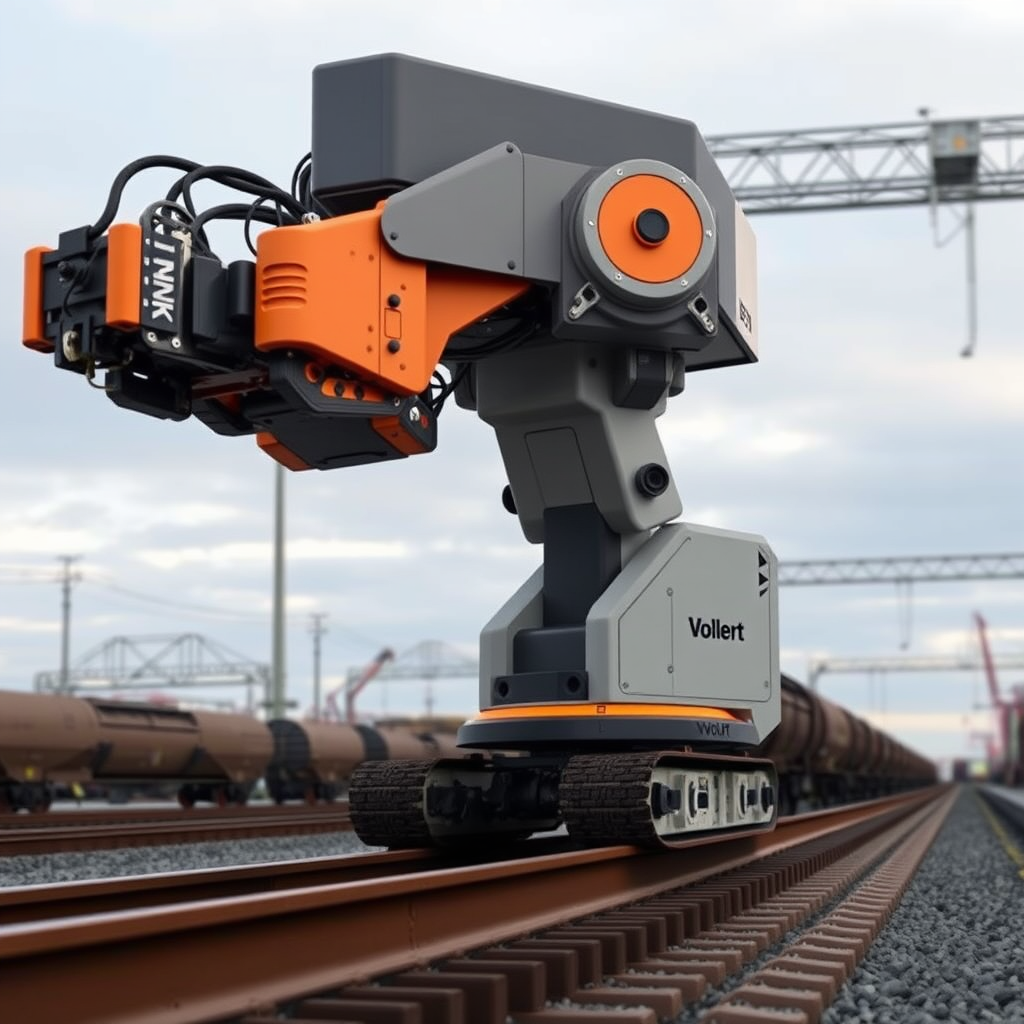
The Vollert Tandem DER 150 shunting robot at the Port of Pori demonstrates how advanced technology can optimize port operations by providing a technologically sophisticated and adaptable solution for efficient cargo handling under challenging weather conditions, enhancing reliability and safety.
Introduction
This article explores the advancements in port railway operations, specifically focusing on the implementation of a radio-controlled shunting system at the Port of Pori, Finland. The increasing demand for efficient and reliable cargo handling in ports worldwide necessitates innovative solutions to optimize logistics and minimize operational downtime. This case study examines the Vollert Tandem DER 150 shunting robot, a technologically advanced solution designed to address these challenges. We will explore the system’s technical specifications, operational capabilities, and the significant benefits it offers in terms of safety, efficiency, and adaptability to various European coupling systems. The discussion will encompass the system’s remote control features, weather resilience, and the overall impact on port operations within the context of the broader Intelligent Transportation Systems (ITS) market.
The Vollert Tandem DER 150 Shunting Robot: A Technological Overview
The Port of Pori’s reliance on rail for bulk cargo transport, primarily iron sulphate, underscores the critical need for a robust and efficient shunting system. The Vollert Tandem DER 150 (Diesel-Electric Railway) robot, a 100-ton shunter, directly addresses this need. Its diesel-electric drivetrain, utilizing four electric motors (one per axle), provides the power to move freight trains weighing up to 2,000 tons along a 500-meter track at a speed of 0.5 m/s. This system’s adaptability to various European coupling systems, including both Central European (SA3 – with central buffers) and Eastern European versions (with outer buffers), significantly enhances its operational flexibility and reduces the need for specialized equipment. The automatic coupling and uncoupling capabilities for SA3-compatible wagons further streamline the process.
Enhanced Reliability and Weather Resilience
A key feature of the Vollert system is its robust design, ensuring reliable operation even under challenging weather conditions. The integration of a radio control system with strategically placed repeaters along the track guarantees a consistent and reliable transmission of control data, irrespective of environmental factors or the presence of physical obstacles. Additionally, an automatic sanding system, triggered by a measuring wheel that monitors the shunter’s speed, increases traction on the drive axles to prevent slippage, ensuring reliable performance in rain, snow, or ice. This redundancy significantly improves operational uptime and minimizes delays caused by adverse weather.
Remote Operation and Maintenance
The Vollert Tandem DER 150 system offers remote operation and maintenance capabilities, enhancing efficiency and reducing downtime. Operators can control the shunter remotely, optimizing workflow and reducing the need for on-site personnel. Additionally, remote maintenance can be performed from Vollert’s offices in Germany, minimizing the time required for troubleshooting and repairs. This remote access reduces operational costs and allows for quicker response times in the event of unexpected issues.
Conclusions
The implementation of the Vollert Tandem DER 150 radio-controlled shunting robot at the Port of Pori showcases a significant advancement in port railway operations. This system’s ability to handle substantial loads, its adaptability to various European coupling systems, and its robust design that ensures reliable performance under diverse weather conditions represent a considerable improvement in efficiency and safety. The integration of advanced features such as automatic sanding, repeater-enhanced radio control, and remote maintenance capabilities significantly enhances operational flexibility and reduces downtime. The success of this project highlights the growing trend toward automation and remote operation within the Intelligent Transportation Systems (ITS) market, driven by the need for increased efficiency, reduced operational costs, and improved safety in demanding environments like busy ports. The Vollert system serves as a prime example of how technological advancements can be leveraged to optimize logistics and contribute to the overall effectiveness of port operations, offering a compelling model for other ports seeking similar improvements in efficiency and reliability. The benefits extend beyond immediate operational improvements; the system contributes to overall port efficiency, reducing congestion, and ultimately boosting the flow of goods within the supply chain. The future of port railway operations clearly points toward increased automation and integration of intelligent systems, and the Vollert Tandem DER 150 stands as a leading example of this progress.

Railway infrastructure, rolling stock and transport technologies specialist focused on global rail industry developments, high-speed rail systems, signaling technologies and freight transportation. Covering railway investments, public transport modernization, rail operations and international mobility projects across Europe, Asia and North America.
RELATED POSTS

October 8, 2026 1:15 pm
Alstom secured a €1bn contract to build 13 automated trains,...

October 1, 2026 7:09 am
United States regulators confirmed a September 30 deadline for the...

October 8, 2026 12:18 pm
Siemens Mobility signed an agreement with VinSpeed to supply 350...

October 4, 2026 5:14 pm
Alstom secured a CA$4.7 billion order from VIA Rail Canada...

October 5, 2026 6:12 pm
AECOM and Jacobs secured a contract in September 2026 to...

October 6, 2026 2:14 am
Union Pacific launched export rail shipments with Ferromex to deliver...