
US Rail Safety Rev: Mandatory Certs for Dispatchers & Signal
The Federal Railroad Administration (FRA) has implemented new regulations mandating certification and training programs for dispatchers and signal maintainers to enhance safety and operational efficiency in US rail operations, addressing inconsistencies in competency levels across different railroads.
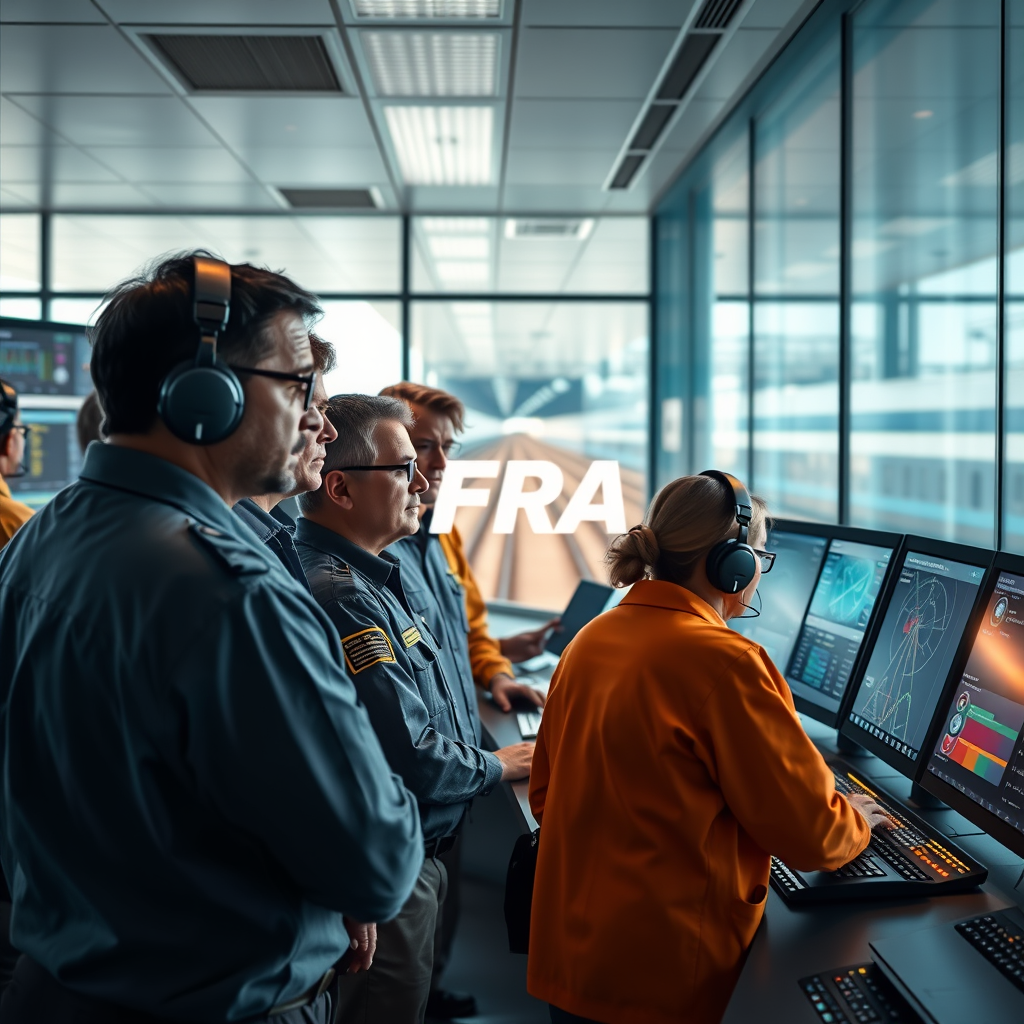
This article examines the recently implemented Federal Railroad Administration (FRA) regulations mandating certification and training programs for railroad dispatchers and signal maintainers in the United States. This landmark decision marks a significant shift towards enhancing railway safety and operational efficiency. For decades, the industry has relied on a variety of training practices, leading to inconsistencies in competency levels across different railroads. The FRA’s new rules aim to address these inconsistencies by establishing a standardized, nationally recognized certification process. This will ensure that all personnel responsible for the safe movement of trains possess the necessary knowledge, skills, and experience, ultimately contributing to a reduction in accidents and improved overall safety performance. The implementation of these rules will have significant implications for railroad companies, labor unions, and ultimately, the traveling public. This analysis will explore the key aspects of the new regulations, focusing on the certification process, the roles of labor unions, potential challenges in implementation, and the broader implications for the future of railway safety in the US.
Establishing a National Standard for Dispatcher and Signal Maintainer Certification
The core of the new FRA regulations lies in the establishment of a standardized certification program for dispatchers and signal maintainers. These individuals play critical roles in ensuring safe and efficient railway operations. Dispatchers (responsible for directing train movements) and signal maintainers (responsible for the upkeep and operation of signaling systems) must demonstrate proficiency in a range of critical areas including operating rules, signaling systems, communication protocols, and emergency response procedures. The certification process will involve rigorous knowledge assessments, skills demonstrations, and background checks, ensuring that only qualified individuals are entrusted with these safety-critical roles. Railroads will be required to develop detailed training programs that meet FRA standards and must submit these programs to the FRA for approval. This standardization ensures consistent competency levels across the industry, regardless of the individual railroad’s prior practices.
The Role of Labor Unions in the Certification Process
The FRA regulations explicitly involve labor unions in the certification process. Railroad companies are required to submit their proposed training programs to the relevant labor organizations representing their employees. Unions are given a 60-day period to review and comment on the proposed programs, ensuring their input is considered before final approval by the FRA. This collaborative approach is intended to foster a fair and equitable process, protecting the interests of both workers and railroad companies. While organizations such as the American Train Dispatchers Association (ATDA) have largely welcomed the initiative, concerns have been raised regarding the potential impact on non-union workers, highlighting the need for clear guidelines and fair procedures to ensure equitable application of the new standards. The inclusion of labor unions in the regulatory process underscores the importance of collaboration between management and labor in achieving optimal railway safety.
Addressing Challenges and Ensuring Equitable Implementation
The successful implementation of these new regulations presents several challenges. One key concern revolves around the potential disparity between union and non-union workers. Ensuring fair and consistent application of the certification process across all railroads, regardless of union status, will be paramount. Another challenge lies in the ongoing technological advancements within the railway industry. The certification programs must remain flexible and adaptable to incorporate new technologies and operational procedures. The FRA will need to establish mechanisms for ongoing review and updates to the certification standards to keep pace with technological advancements and ensure that certified personnel remain current with the latest practices. Additionally, ensuring adequate resources for training and certification across all railroads, particularly smaller ones, will be crucial for successful nationwide implementation.
Conclusion: A Step Towards a Safer and More Efficient Railway System
The FRA’s mandate for mandatory certification of dispatchers and signal maintainers represents a significant leap forward in enhancing the safety and efficiency of the US railway system. The establishment of nationally recognized standards for training and competency ensures a consistent level of proficiency across the industry, reducing the risk of accidents caused by human error. The involvement of labor unions in the certification process promotes collaboration and fairness, creating a system that protects the interests of both workers and railroads. However, challenges remain in ensuring equitable implementation across union and non-union settings and maintaining adaptability to the ever-evolving technological landscape. Addressing these challenges will require ongoing collaboration between the FRA, railroad companies, labor unions, and other stakeholders. The long-term success of this initiative will depend on the ongoing commitment to continuous improvement, transparent implementation, and the shared goal of enhancing safety and efficiency across the nation’s rail network. The potential benefits – reduced accidents, improved operational efficiency, and increased public confidence – are substantial and make these new regulations a crucial step towards a safer and more reliable railway system for the future. The proactive approach demonstrated by the FRA, coupled with industry collaboration, positions the US rail sector for enhanced safety and sustained progress in the years to come. This initiative serves as a model for other sectors needing rigorous safety and competency standards for their workforce.

Railway infrastructure, rolling stock and transport technologies specialist focused on global rail industry developments, high-speed rail systems, signaling technologies and freight transportation. Covering railway investments, public transport modernization, rail operations and international mobility projects across Europe, Asia and North America.
RELATED POSTS

September 5, 2026 4:19 pm
CPK launched formal tender talks with four consortia to design...

September 5, 2026 7:14 pm
HS2 Ltd signed renegotiated civils contracts with EKFB and Align...

September 6, 2026 4:12 am
Alstom delivered the first of 100 new G Class trams...

September 6, 2026 8:17 am
DB InfraGO reopened the Nuremberg-Regensburg line in Bavaria on 31...
September 5, 2026 6:17 pm
Universal Signalling won a deal to install its U-Cross system...
September 6, 2026 12:20 pm
Indian Railways ordered a probe after a fire destroyed 2...