
EU Funds German Rail: €1.7B for Green Freight
The €1.7 billion state aid package approved by Germany’s rail freight sector supports a significant shift from road to rail transport, addressing competitive disadvantages and promoting sustainability in Europe’s transportation industry.
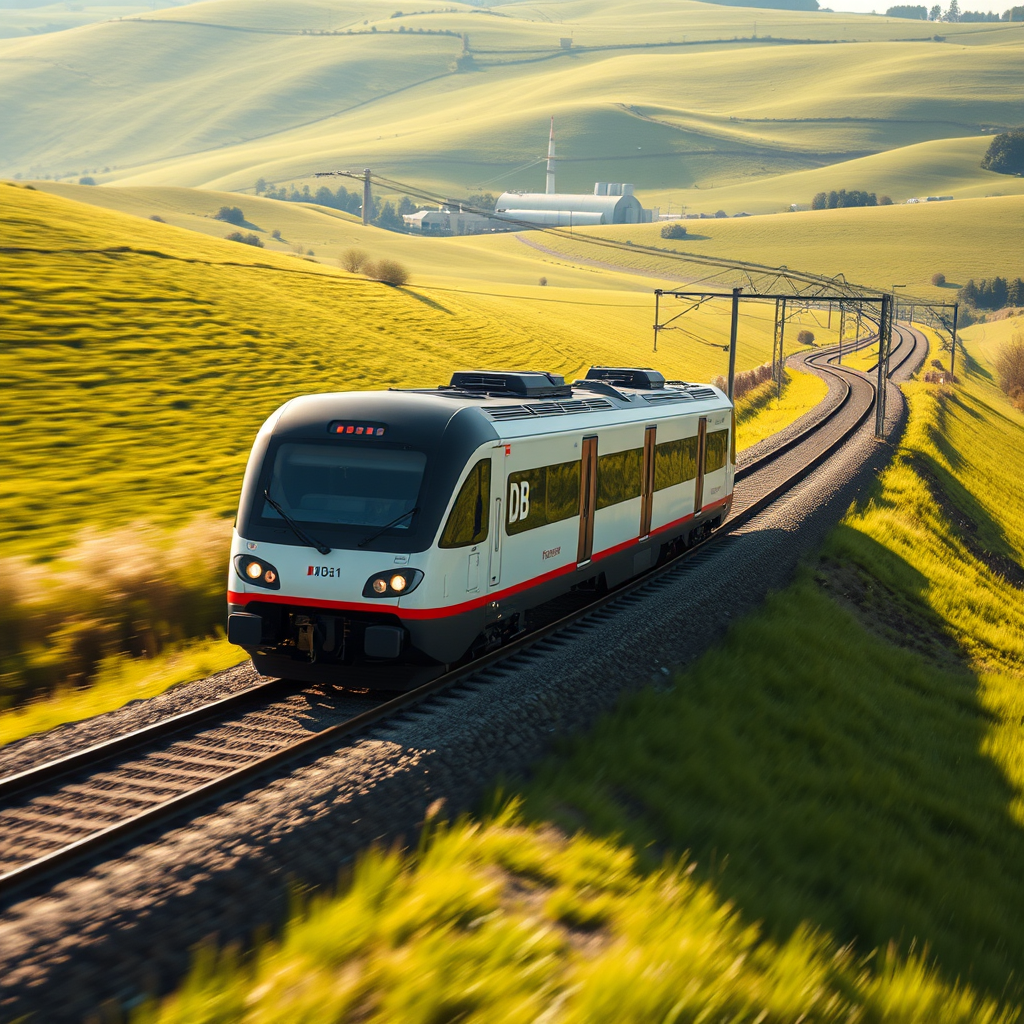
The European Union’s commitment to sustainable transportation is significantly underscored by its recent approval of a substantial €1.7 billion ($1.8 billion) state aid package for Germany’s rail freight sector. This decision, a landmark move in European transport policy, signifies a proactive approach to bolstering environmentally friendly freight solutions and reducing reliance on road transport. This article will delve into the intricacies of this aid package, exploring its justification under EU state aid law, its specific allocation, the challenges it addresses within the German rail freight industry, and its broader implications for the future of sustainable transportation across Europe. We will analyze the economic and environmental benefits, potential drawbacks, and the long-term sustainability of such interventions in shaping a greener transportation landscape. The analysis will examine the conditions imposed on the aid, the targeted segments of the rail freight industry, and the anticipated impact on competition within the sector and the wider EU market.
German Rail Freight Support: Addressing Market Imbalances
The core objective of the €1.7 billion aid package is to stimulate a modal shift from road to rail freight, addressing the inherent competitive disadvantages faced by rail. Road transport often enjoys lower operating costs and greater flexibility, making it a more attractive option for many freight operators. The package specifically targets single wagon load operators and group operators (operating short block trains of up to 15 wagons on journeys under 300km). These operators often struggle with high switching costs between single wagons and a lack of economies of scale for shorter journeys, hindering their competitiveness against road haulage. By providing financial assistance, the German government aims to level the playing field and encourage a greater share of freight to be transported by rail, aligning with broader EU sustainability goals.
Compliance with EU State Aid Rules: A Balancing Act
The approval of the aid package hinges on its compliance with EU state aid regulations (EC). Such interventions are only permitted if they serve a clear public interest objective, such as supporting environmental protection and fostering sustainable economic growth. The European Commission (EC) determined that the German aid package meets these criteria. The EC assessed the aid as being environmentally beneficial, necessary for supporting modal shift, and proportionate to the aims of improving sustainability and reducing reliance on carbon-intensive road transport. The Commission also concluded that the aid’s limitations – focusing on addressing the competitive disadvantages of rail compared to road, and excluding operators that do not demonstrate sustainability or efficiency – prevent undue negative effects on competition and free trade within the EU.
Strategic Allocation and Targeted Support: Optimizing Impact
The €1.7 billion will be distributed over five years, with a yearly maximum of €320 million. This structured approach allows for targeted support to the most vulnerable segments of the rail freight sector. The eligibility criteria, focused on single wagon load operators and group operators for shorter distances, ensure that the funds are directed where they are most needed to improve competitiveness. This strategy prioritizes the segments most challenged by the economic realities of the market, maximizing the overall environmental and economic impact of the investment. The allocation strategy emphasizes short-haul freight transport, a segment often overlooked due to the perceived economic inefficiencies inherent in short-distance rail operations.
Infrastructure Investments and Synergies: A Holistic Approach
The state aid package is not an isolated initiative but rather part of a broader, coordinated strategy to revitalize Germany’s rail freight sector. This is clearly evident in the context of Deutsche Bahn (DB)’s significant €16.4 billion investment in rail infrastructure. This coordinated approach recognizes the interplay between operational support and infrastructure development, reinforcing the sustainability goals. Improved infrastructure reduces operational costs and increases efficiency, creating a synergistic effect between government funding and private investment. The holistic approach increases the long-term viability and sustainability of the improvements in rail freight transportation.
Conclusion: Shaping the Future of Sustainable Freight Transport
The European Commission’s approval of the €1.7 billion state aid package for German rail freight represents a significant step towards a more sustainable European transportation system. By addressing the economic imbalances between rail and road freight, the aid package aims to stimulate a modal shift, reducing reliance on environmentally damaging road transport. The strategic allocation of funds, targeting single wagon load and short block train operators, directly addresses the challenges faced by these crucial segments of the industry. This is further complemented by Germany’s larger investments in national rail infrastructure, creating a synergistic effect that promises long-term sustainability. However, the success of this initiative hinges on effective implementation, ongoing monitoring, and a commitment to transparency. Regular evaluations are crucial to assess the impact of the aid, ensuring its efficacy in achieving its stated environmental and economic goals and adapting strategies as necessary. The long-term sustainability of the initiative will depend on continuous assessment and adjustments to address unforeseen challenges and optimize its impact on the overall European transportation landscape. The German model, if successful, could serve as a blueprint for other EU member states seeking to promote sustainable freight transportation and reduce their carbon footprint. The success of this initiative will be closely watched, not only in Germany, but across Europe as a test case for impactful state intervention in promoting environmentally friendly transport solutions.

Railway infrastructure, rolling stock and transport technologies specialist focused on global rail industry developments, high-speed rail systems, signaling technologies and freight transportation. Covering railway investments, public transport modernization, rail operations and international mobility projects across Europe, Asia and North America.
RELATED POSTS

October 1, 2026 7:09 am
United States regulators confirmed a September 30 deadline for the...

October 8, 2026 1:15 pm
Alstom secured a €1bn contract to build 13 automated trains,...

October 4, 2026 5:14 pm
Alstom secured a CA$4.7 billion order from VIA Rail Canada...

October 8, 2026 12:18 pm
Siemens Mobility signed an agreement with VinSpeed to supply 350...

October 4, 2026 11:08 pm
Sound Transit confirmed the September 30 opening of Seattle Pinehurst...
October 1, 2026 10:14 am
HS2 installed a 55-metre steel span in Birmingham, completing phase...