
Digital Rail Revolution: Network Rail’s Northern City Line Trial
The Digital Revolution on the Rails: Network Rail’s Northern City Line Trial showcases significant advancements in railway signaling technology, transitioning from traditional track circuits and signal boxes to a sophisticated digital system that eliminates maintenance requirements and enhances safety and efficiency. This trial is part of the East Coast Digital Programme (ECDP), marking a pivotal step toward modernizing UK railways with enhanced operational capabilities and passenger experiences.
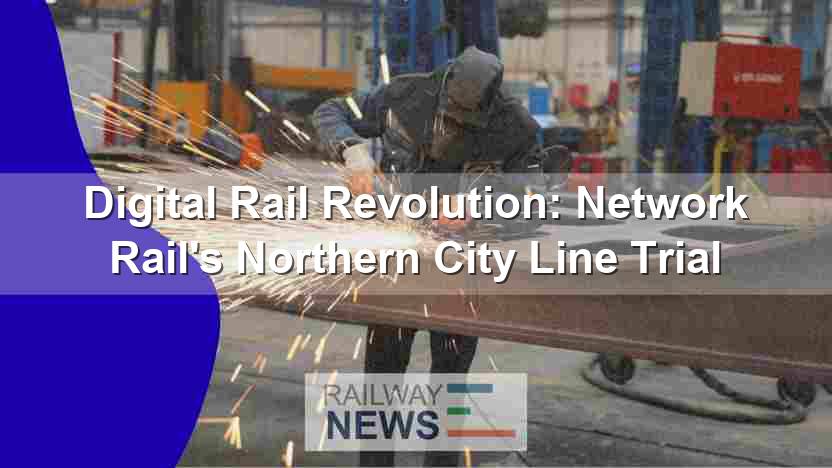
This article explores the significant advancements in railway signaling technology showcased by Network Rail’s recent digital signaling trial on the Northern City Line. The transition from traditional signaling systems to digital signaling represents a pivotal moment in the evolution of railway infrastructure, promising enhanced safety, efficiency, and capacity. This trial, conducted as part of the broader East Coast Digital Programme (ECDP), marks a critical step toward a more modern and technologically advanced railway network. The implications are far-reaching, impacting not only operational efficiency but also the overall passenger experience. This analysis will explore the technological aspects of the trial, examining the challenges and benefits associated with the implementation of digital signaling, as well as the strategic importance of this project within the larger context of the UK’s railway modernization efforts. Further, we will discuss the crucial role of collaboration between Network Rail, train operators like Great Northern, and technology providers such as Siemens in achieving successful digital railway deployment. Finally, the long-term impacts on operational efficiency, safety, and passenger satisfaction will be considered.
Implementing Digital Signaling Technology
The core of the trial involves replacing the traditional track circuits and signal boxes with a sophisticated digital system. This system utilizes in-cab signaling (ICS), where the train’s onboard computer communicates directly with the central control system, receiving real-time instructions on speed and route. This eliminates the need for traditional trackside signals, significantly reducing maintenance requirements and improving the accuracy of signaling information. The trial utilizes the Great Northern Class 717 trains, already equipped with the necessary technology for communication with the digital signaling infrastructure. The intensive testing phase focuses on validating the seamless integration between the train’s onboard systems and the new digital signaling network. This rigorous testing is crucial to ensure the system’s reliability and safety before widespread deployment.
Driver Training and Operational Transition
The successful implementation of digital signaling is not solely dependent on technological advancements. A critical component is the detailed training program for train drivers. The transition to digital signaling requires drivers to adapt to a new operating paradigm, learning to interpret information displayed on their in-cab systems and to respond accordingly. Network Rail’s planned driver training program, starting in early 2023, will be instrumental in ensuring a smooth transition and the safe operation of trains under the new digital system. This training will not only cover the technical aspects of the new system but will also focus on the behavioral changes required for optimal performance and safety within the digital environment. This includes simulating various scenarios and conducting practical training sessions on the line itself.
Collaboration and Strategic Partnerships
The successful deployment of digital signaling is a testament to the collaborative efforts of various stakeholders. Network Rail’s partnership with Great Northern, the train operating company, and Siemens, the technology provider, has been instrumental in overcoming the challenges associated with this complex undertaking. The project showcases the importance of effective communication and coordinated action between infrastructure managers, train operators, and technology suppliers in delivering large-scale infrastructure projects. This collaborative approach is vital not only for the successful implementation of digital signaling on the Northern City Line but also for the wider adoption of this technology across the UK’s railway network.
Safety, Efficiency, and the Future of Rail
The East Coast Digital Programme (ECDP), of which this trial is a part, aims to transform the railway network in the east of England. The modernization of signaling systems offers significant advantages. Digital signaling enhances safety by reducing the potential for human error associated with traditional signaling systems. It also boosts efficiency by increasing line capacity and allowing for more frequent and punctual train services. Moreover, the improved reliability and reduced maintenance requirements associated with digital signaling will contribute to cost savings in the long term. The successful completion of this trial on the Northern City Line represents a significant step towards a more efficient, safer, and reliable railway system, paving the way for the adoption of digital signaling on other lines across the UK. This ultimately leads to improved passenger satisfaction through more reliable and efficient rail services.
Conclusions
Network Rail’s digital signaling trial on the Northern City Line marks a critical juncture in the modernization of the UK’s railway infrastructure. The successful testing of the system, involving the integration of digital signaling technology with Great Northern Class 717 trains, is a significant milestone in the East Coast Digital Programme (ECDP). This initiative promises to revolutionize railway operations, offering significant improvements in safety, efficiency, and overall reliability. The transition to digital signaling involves not only technological upgrades but also a detailed driver training program to ensure a safe and seamless transition to the new operational paradigm. The collaborative effort between Network Rail, Great Northern, and Siemens highlights the importance of strategic partnerships in delivering complex infrastructure projects. The benefits extend beyond the immediate operational improvements, encompassing long-term cost savings and enhanced passenger satisfaction through more reliable and efficient services. The successful implementation of digital signaling on the Northern City Line sets a strong precedent for future deployments across the national network, ultimately shaping the future of rail travel in the UK and offering a model for other nations looking to modernize their rail systems.

Railway infrastructure, rolling stock and transport technologies specialist focused on global rail industry developments, high-speed rail systems, signaling technologies and freight transportation. Covering railway investments, public transport modernization, rail operations and international mobility projects across Europe, Asia and North America.
RELATED POSTS

September 5, 2026 4:19 pm
CPK launched formal tender talks with four consortia to design...

September 5, 2026 7:14 pm
HS2 Ltd signed renegotiated civils contracts with EKFB and Align...

September 6, 2026 4:12 am
Alstom delivered the first of 100 new G Class trams...
September 6, 2026 8:17 am
DB InfraGO reopened the Nuremberg-Regensburg line in Bavaria on 31...
September 5, 2026 6:17 pm
Universal Signalling won a deal to install its U-Cross system...
September 6, 2026 12:20 pm
Indian Railways ordered a probe after a fire destroyed 2...