
FirstGroup Rejects £1.2B Bid: Rail Industry Implications
FirstGroup decisively rejected a £1.2 billion takeover offer from I Squared Capital, citing undervaluation concerns and conditional nature of the bid, emphasizing its confidence in its long-term strategic value despite challenges in the UK rail industry landscape.
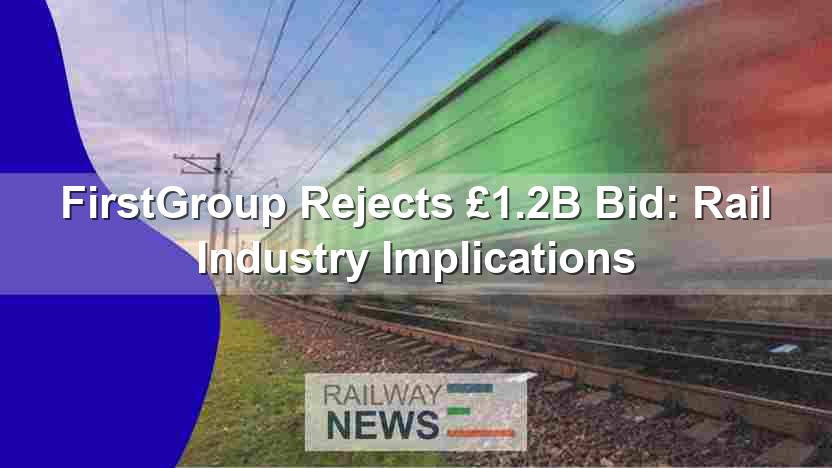
This article analyzes the rejected £1.2 billion takeover bid for FirstGroup, a major UK transportation company operating extensively in the rail sector. The rejection highlights the complex interplay of financial valuations, shareholder interests, and the inherent risks and rewards associated with operating rail franchises in the UK. We will examine the reasons behind FirstGroup’s dismissal of the offer, focusing on the undervaluation concerns, the conditional nature of the bid, and the company’s positive outlook. Further, the analysis explores FirstGroup’s operational structure within the UK rail network, its contractual relationships with the Department for Transport (DfT), and the broader implications of this decision for the future of the UK rail industry. The rejection underscores the strategic importance of FirstGroup’s position and the confidence in its future growth prospects, despite the challenges inherent in the rail industry landscape.
FirstGroup’s Rejection of the Takeover Bid
FirstGroup, a prominent player in the UK’s transportation sector, decisively rejected a £1.2 billion takeover offer from I Squared Capital, a US-based private equity firm. The offered price of 118 pence per share, even with a conditional 45.6 pence add-on, was deemed significantly undervalues the company’s current operations and future potential. This decision was unanimous among the board of directors and received support from major shareholders like Schroders, who voiced concerns about the offer’s high conditionality and perceived downside risks. The rejection underscores FirstGroup’s belief in its long-term strategic value and its confidence in navigating the challenges inherent in the UK rail market.
The Undervaluation and Conditional Aspects of the Offer
FirstGroup’s primary objection to the takeover proposal stemmed from a belief that the offer significantly undervalued the company. The board argued that the proposed price failed to adequately reflect the inherent value of its continuing operations and its future prospects. The conditional nature of a portion of the offer, contingent upon uncertain future events, further contributed to the rejection. This lack of certainty introduced significant risk for FirstGroup’s shareholders and made the offer less appealing. The company’s strong balance sheet and perceived growth potential also played a significant role in bolstering the board’s decision to reject the bid. The shareholders’ belief in the company’s future growth prospects is a key factor.
FirstGroup’s Position within the UK Rail Network
FirstGroup operates a significant portion of the UK’s rail network, holding franchises for several key lines. This includes Great Western Railway (GWR), South Western Railway, TransPennine Express, and Avanti West Coast. The company also runs Hull Trains and Lumo, which are “open access” operations, meaning they operate commercially without government franchises. This diversified portfolio provides FirstGroup with a considerable presence in the UK’s rail landscape. The company also benefits from a direct award from the Department for Transport (DfT) for the GWR, providing operational stability and a defined framework for risk and reward-sharing.
The Strategic Implications for the UK Rail Industry
The rejection of I Squared Capital’s bid carries significant implications for the UK rail industry. It signals investor confidence in FirstGroup’s long-term prospects and the attractiveness of its position within the market despite ongoing challenges. FirstGroup’s decision to remain independent underscores the importance of a robust and competitive rail sector. It also highlights the complex interplay between private sector investment and government regulation in shaping the future of the UK’s rail network. The rejection may also affect future takeover bids for other rail companies and impact investment decisions within the sector.
Conclusions
FirstGroup’s rejection of the £1.2 billion takeover bid represents a significant event in the UK rail industry. The company’s decision, supported by its board and major shareholders, was driven by concerns that the offer significantly undervalued the company and presented unacceptable levels of risk. The assessment of the offer considered not only FirstGroup’s current operational performance but also its future growth potential and the strategic importance of its position within the UK’s rail network. The arguments against the takeover centered on the perceived undervaluation of the company’s assets and the high degree of conditionality associated with a significant portion of the proposed purchase price. FirstGroup’s current operational strength, its diversified portfolio of rail franchises, including both government-contracted operations and open-access commercial services, and its relationship with the Department for Transport (DfT) contributed to the confidence in its future prospects. The rejection of the bid has far-reaching implications for the UK rail industry, suggesting continued confidence in FirstGroup’s independent path and highlighting the enduring strategic value and market strength of the company within the highly regulated British rail sector. This reinforces the complexity of the rail market and the significance of stakeholder considerations and balance between private and public sector interests in the sector. The decision underscores the enduring potential within the UK rail market and the need for investors to recognize the intricate operational dynamics and long-term value creation in the sector. The event serves as a case study for future valuation assessments and takeover bids within the UK transportation industry, highlighting the importance of considering both short-term financial gains and long-term strategic prospects.

Railway infrastructure, rolling stock and transport technologies specialist focused on global rail industry developments, high-speed rail systems, signaling technologies and freight transportation. Covering railway investments, public transport modernization, rail operations and international mobility projects across Europe, Asia and North America.
RELATED POSTS

September 5, 2026 4:19 pm
CPK launched formal tender talks with four consortia to design...

September 5, 2026 7:14 pm
HS2 Ltd signed renegotiated civils contracts with EKFB and Align...

September 6, 2026 4:12 am
Alstom delivered the first of 100 new G Class trams...
September 6, 2026 8:17 am
DB InfraGO reopened the Nuremberg-Regensburg line in Bavaria on 31...
September 5, 2026 6:17 pm
Universal Signalling won a deal to install its U-Cross system...
September 6, 2026 12:20 pm
Indian Railways ordered a probe after a fire destroyed 2...