
JR East’s Suica: Beyond Transit, A Lifestyle Platform
This article discusses JR East’s ambitious strategy to transform its Suica transit payment system into a comprehensive lifestyle platform, aiming to increase revenue and profitability through seamless technological integration and expansion beyond transportation services.
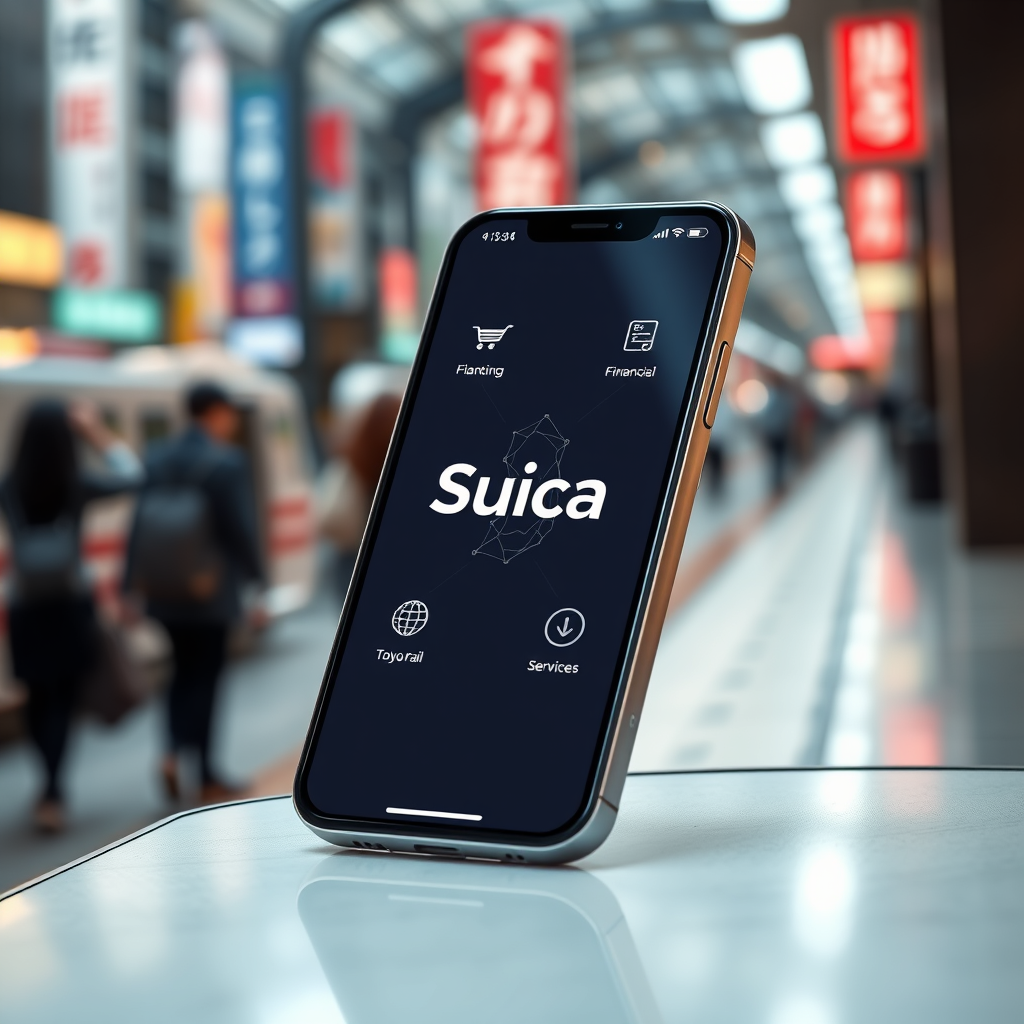
This article explores the ambitious growth strategy of JR East (East Japan Railway Company), focusing on the expansion and evolution of its Suica (Super Urban Intelligent Card) system. JR East aims to leverage Suica’s existing popularity as a transit payment system to create a detailed lifestyle platform, ultimately transforming it from a simple fare payment method into a central hub for various services. This strategy, dubbed “Beyond the Border,” envisions a dramatic increase in revenue and profitability for the company’s Lifestyle Solutions business. The core of this strategy involves a significant technological shift, integrating Suica with a multitude of applications, ranging from e-commerce and financial services to government and community initiatives. This transformation will require substantial investment in infrastructure and the development of new, innovative technologies, making it a crucial case study in the ongoing digital transformation of the railway and transportation industries. The success of this strategy hinges on the seamless integration of multiple services, the appeal of the enhanced Suica platform to a broad user base, and JR East’s ability to manage the inherent complexities of such a large-scale undertaking.
Suica’s Transformation: From Transit to Lifestyle Platform
The foundation of JR East’s strategy lies in the evolution of the Suica system. Currently used for fare payment on JR East lines and other public transportation within Greater Tokyo, Suica already functions as a widespread payment method at numerous retail locations. JR East plans to significantly expand this functionality, integrating Suica with diverse platforms and services. The envisioned transformation involves leveraging Suica’s established user base and expanding its capabilities beyond transportation to encompass e-commerce, financial services, and even access to government services. This integration aims to make Suica an indispensable part of daily life, providing a single point of access for various necessities and conveniences.
Technological Advancements and Infrastructure Development
The “Beyond the Border” strategy necessitates significant technological advancements and infrastructure improvements. JR East plans to launch a new Suica app by 2029, incorporating features such as biometric authentication and integration with other identification systems by 2028. The integration of a cloud-based rail ticketing system will facilitate the delivery of personalized incentives, such as discounts based on spending within stations. This requires substantial investment in cloud computing infrastructure and the development of secure, reliable, and user-friendly applications. The scale of this project underscores the importance of robust cybersecurity measures and data privacy considerations.
Strategic Partnerships and International Expansion
JR East is actively pursuing strategic partnerships to accelerate the development and implementation of its strategy. A notable example is the collaboration with the University of Birmingham Centre for Railway Research and Education, focusing on exploring innovative technologies for the rail industry and digital transformation. This partnership demonstrates JR East’s commitment to leveraging external expertise and fostering innovation. Additionally, the planned launch of a “Welcome Suica” app in 2025 aims to cater to international visitors, addressing challenges related to Suica card availability and providing a seamless experience for tourists using public transport in Japan.
Addressing Challenges and Risks
While ambitious, JR East’s strategy faces several potential challenges. The successful integration of diverse services requires seamless interoperability between different systems, which necessitates careful planning and execution. Data privacy and security are paramount concerns given the sensitive nature of the data to be handled. Maintaining user trust and confidence in the system’s security and reliability will be crucial for its widespread adoption. Additionally, the successful execution of this multifaceted strategy hinges on effective project management, resource allocation, and the ability to adapt to technological advancements and evolving market demands. The potential for technological failures or security breaches must be carefully addressed through rigorous testing and robust security protocols.
Conclusions
JR East’s “Beyond the Border” strategy represents a bold and transformative vision for the future of the Suica system, aiming to evolve it from a simple transit payment method into a detailed lifestyle platform. The success of this strategy hinges on several key factors: the seamless integration of diverse services within the Suica app, the user-friendliness and security of the platform, the effective management of technological complexities, and the strategic partnerships forged to support its development and implementation. The integration of biometric authentication and cloud-based technologies are critical components of this transformation, promising enhanced security and personalized experiences for users. The expansion into international markets with the “Welcome Suica” app demonstrates a forward-thinking approach to catering to a broader customer base. However, the project also faces significant challenges, including the need for robust cybersecurity measures, the complexity of integrating multiple systems, and the importance of maintaining user trust and confidence. The ultimate success of the “Beyond the Border” strategy will not only shape the future of JR East’s Lifestyle Solutions business but also serve as a significant case study for other transportation companies seeking to leverage digital technologies to enhance customer experiences and expand their business models. The successful integration of diverse services, the management of technological complexities and data privacy concerns, and the strategic partnerships to support development are all crucial for achieving this ambitious goal. JR East’s success will provide a valuable model for other transportation companies seeking to leverage digital technology to create innovative customer experiences and expand their business.

Railway infrastructure, rolling stock and transport technologies specialist focused on global rail industry developments, high-speed rail systems, signaling technologies and freight transportation. Covering railway investments, public transport modernization, rail operations and international mobility projects across Europe, Asia and North America.
RELATED POSTS

September 5, 2026 4:19 pm
CPK launched formal tender talks with four consortia to design...

September 5, 2026 7:14 pm
HS2 Ltd signed renegotiated civils contracts with EKFB and Align...

September 6, 2026 4:12 am
Alstom delivered the first of 100 new G Class trams...

September 5, 2026 6:17 pm
Universal Signalling won a deal to install its U-Cross system...

September 6, 2026 8:17 am
DB InfraGO reopened the Nuremberg-Regensburg line in Bavaria on 31...

September 6, 2026 12:20 pm
Indian Railways ordered a probe after a fire destroyed 2...