
Global Railway Outlook: Optimism, Inflation, and Growth
The resurgence in global business optimism has bolstered confidence within the railway sector, influencing investments in infrastructure development, rolling stock procurement, and operational efficiency upgrades despite persistent challenges such as inflation and rising input costs.
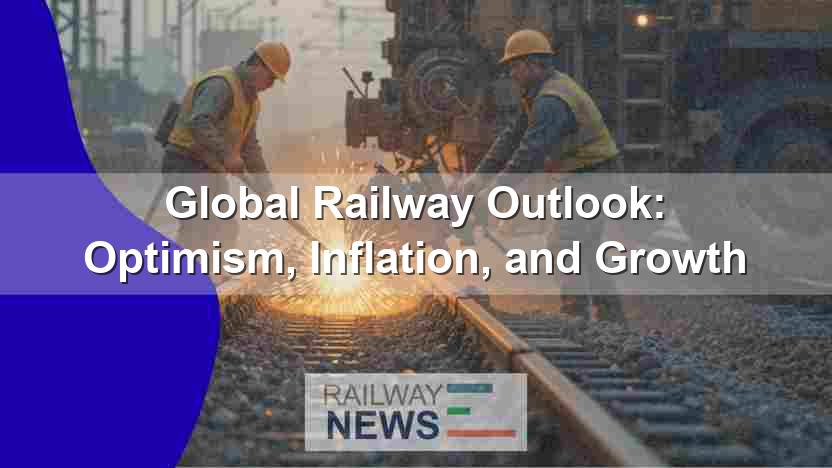
This article examines the resurgence of global business optimism in late 2022, focusing particularly on its potential implications for the railway sector. While various sectors experienced a boost in confidence following the easing of COVID-19 restrictions, the railway industry, a significant component of global infrastructure and logistics, presents a unique case study. The analysis will explore the interplay between overall economic indicators, such as business confidence indices (BCI) and Purchasing Managers’ Indices (PMI), and their influence on investment decisions within the rail industry, including infrastructure development, rolling stock procurement, and operational efficiency upgrades. We will delve into the specific regional variations in business optimism and how these variations are shaping the future trajectory of railway projects worldwide. Additionally, the analysis will address the persistent challenges, namely inflation and rising input costs, and their impact on the long-term prospects for railway expansion and modernization. This detailed analysis aims to provide a clear understanding of the current state of the railway industry and its predicted trajectory based on current economic trends.
Regional Variations in Business Confidence
Reports from various regions showcase a mixed picture of business confidence. The UK, while showing improvement in some regions (North West, South West, Yorkshire and the Humber), witnessed an overall decline due to rising costs. This highlights a key challenge for the railway sector: the balancing act between increased optimism in specific areas and the broader inflationary pressures impacting the entire industry. The success of railway projects hinges on securing funding, and fluctuations in BCI directly affect investment decisions. For example, a decline in overall confidence could lead to delays or cancellations of planned railway expansions or upgrades. Conversely, regions exhibiting higher confidence could see accelerated project timelines and increased investment in new technologies.
The Impact of Inflation and Rising Input Costs
Inflation and escalating energy and raw material costs pose significant challenges to the railway sector. The construction of new lines, the manufacturing of rolling stock (trains, locomotives, etc.), and the ongoing maintenance of existing infrastructure all depend on a stable and predictable supply chain. High input costs lead to increased project budgets, potentially delaying projects or even rendering them unviable. This is particularly critical given the capital-intensive nature of railway projects. Additionally, the rising price of energy impacts operational costs, potentially leading to fare increases or reduced service frequency. Therefore, mitigating the effects of inflation is paramount for the continued growth and sustainability of the railway sector.
Emerging Markets and Growth Opportunities
In contrast to the UK’s mixed results, several emerging markets displayed robust growth. India, for example, experienced a significant rebound in its Services PMI (Purchasing Managers’ Index), driven by strong new business gains, job creation, and easing COVID-19 restrictions. Saudi Arabia also showed resilience in its non-oil economy, with increases in purchasing activity and job creation. These positive trends indicate considerable growth opportunities for the railway sector in these emerging economies. The need for expanded infrastructure to support economic development creates a fertile ground for new railway projects and attracts substantial foreign investment. However, these markets also face their own unique challenges, such as infrastructure development, skilled labor shortages, and the need for appropriate regulatory frameworks.
New Zealand’s Cautious Optimism
New Zealand’s experience presents a nuanced perspective. While business confidence showed improvement, it remained negative overall. The country’s central bank is actively working to curb inflation through measures such as raising interest rates. This highlights the tension between stimulating economic growth and managing inflationary pressures. For the railway sector in New Zealand, this implies that, although there is some positive momentum, investment decisions will remain cautious, with a keen focus on cost management and project viability in light of the prevailing economic climate.
Conclusion
The global picture regarding business optimism and its effect on the railway industry is complex and multifaceted. While pockets of strong growth exist in emerging markets like India and Saudi Arabia, presenting significant opportunities for railway expansion, developed economies such as the UK face the considerable challenge of navigating high inflation and rising input costs. New Zealand’s situation illustrates the careful balancing act between stimulating economic growth and managing inflationary pressures, a challenge impacting railway investment decisions. The railway sector’s long-term success hinges on effectively addressing these challenges. This includes developing strategies to mitigate the impact of inflation, exploring innovative financing models to secure project funding, and investing in technological advancements to enhance efficiency and reduce operational costs. A proactive approach that incorporates both robust economic planning and innovative engineering solutions is essential to ensure the future growth and sustainability of global railway systems. Additionally, closer collaboration between governments, private investors, and railway operators is crucial to facilitate sustainable railway development, ensuring that this vital mode of transportation continues to play a critical role in global economic growth and connectivity.

Railway infrastructure, rolling stock and transport technologies specialist focused on global rail industry developments, high-speed rail systems, signaling technologies and freight transportation. Covering railway investments, public transport modernization, rail operations and international mobility projects across Europe, Asia and North America.
RELATED POSTS

September 5, 2026 4:19 pm
CPK launched formal tender talks with four consortia to design...

September 5, 2026 7:14 pm
HS2 Ltd signed renegotiated civils contracts with EKFB and Align...

September 6, 2026 4:12 am
Alstom delivered the first of 100 new G Class trams...
September 6, 2026 8:17 am
DB InfraGO reopened the Nuremberg-Regensburg line in Bavaria on 31...
September 5, 2026 6:17 pm
Universal Signalling won a deal to install its U-Cross system...
September 6, 2026 12:20 pm
Indian Railways ordered a probe after a fire destroyed 2...