
Montréal’s Exo Rail Modernization: CRRC’s Series 2050
The deployment of CRRC rolling stock on Montréal’s urban rail network showcases significant advancements in accessibility and modernization, addressing long-standing challenges with improved passenger experience and technological inclusivity.
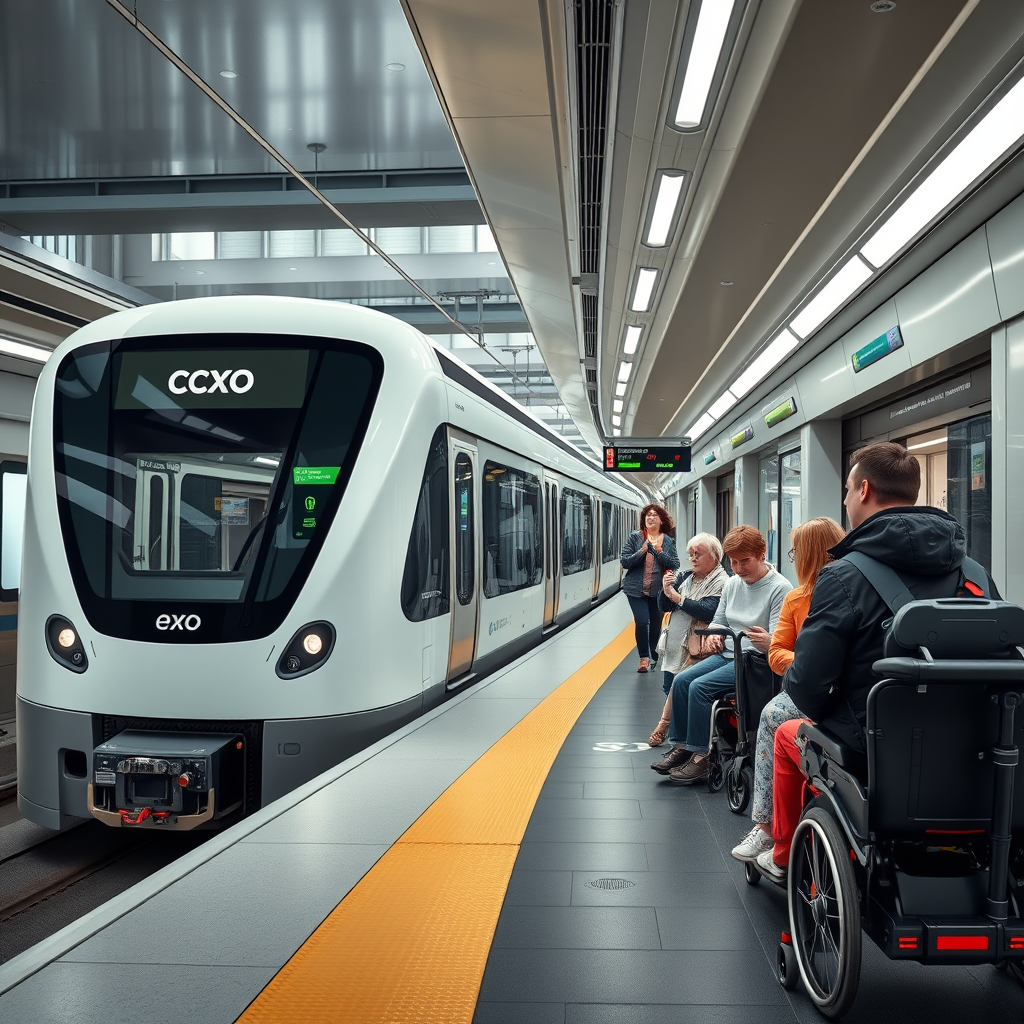
This article examines the recent integration of CRRC (China Railway Rolling Stock Corporation) manufactured rolling stock into Montréal’s Exo commuter rail system. The arrival of the Series 2050 double-deck coaches, ordered in 2017 but delayed due to the COVID-19 pandemic, marks a significant step towards modernizing the network and enhancing accessibility for passengers. This case study will delve into the specifics of the new rolling stock, the challenges faced during implementation, and the broader implications for urban rail systems globally. We will explore the technological advancements incorporated, the improvements in passenger experience, and the strategic considerations that drove this significant investment in new rolling stock. The analysis will consider not only the immediate benefits but also the long-term operational and financial impacts of adopting this new technology and the potential for replication in other transit networks seeking similar improvements.
Technological Advancements and Passenger Experience
The Series 2050 coaches represent a substantial upgrade from existing Exo rolling stock. Key improvements include the integration of USB charging ports, wider doors for improved passenger flow, and dedicated spaces for mobility scooters, significantly enhancing accessibility for passengers with disabilities. The incorporation of accessible passenger display boards ensures clear and readily available information for all passengers, further promoting inclusivity. These features reflect a move toward a more passenger-centric approach to rail design, prioritizing comfort and convenience. Beyond these immediate improvements, the deployment also presents opportunities for future technological integration, such as real-time passenger information systems and advanced monitoring capabilities.
Addressing Accessibility Challenges in Existing Rail Infrastructure
The introduction of the Series 2050 coaches directly addresses significant accessibility gaps present in older rolling stock. Many older trains lack adequate space for wheelchairs and other mobility devices, along with insufficient passenger information systems for visually impaired individuals. The Series 2050’s design actively counters these issues, demonstrating a commitment to inclusive transportation. This upgrade is not merely about adding new features; it represents a fundamental shift toward creating a more equitable and accessible public transportation system for all members of the community. Further efforts must be made to retrofit existing infrastructure and rolling stock to meet accessibility standards in line with the upgraded modern coaches.
Project Management and Implementation Challenges
The project faced significant delays due to unforeseen circumstances, primarily the COVID-19 pandemic which disrupted global supply chains and impacted manufacturing schedules. This highlights the inherent vulnerabilities in large-scale infrastructure projects reliant on international collaborations. Effective risk management strategies are crucial for mitigating such delays and associated cost overruns. The successful eventual deployment, despite these setbacks, demonstrates the resilience and adaptability of both the Exo and CRRC teams. Lessons learned from this experience can inform future projects, enabling better preparation for unexpected disruptions.
Strategic Implications and Future Outlook
The successful integration of the CRRC rolling stock into Montréal’s rail network offers valuable insights for other cities seeking to modernize their public transportation systems. The experience underscores the importance of strategic planning, robust project management, and a commitment to accessibility in the design and procurement of new rail vehicles. The improvements in passenger experience, along with the demonstrable commitment to accessibility, suggest a potential for increased ridership and overall satisfaction among commuters. Additionally, the successful implementation of this international collaboration serves as a model for future projects, highlighting the potential for innovation and cost-effectiveness through global partnerships. Continuous monitoring and evaluation of the Series 2050’s performance will be vital in refining operational strategies and informing future investments in rail infrastructure.

Railway infrastructure, rolling stock and transport technologies specialist focused on global rail industry developments, high-speed rail systems, signaling technologies and freight transportation. Covering railway investments, public transport modernization, rail operations and international mobility projects across Europe, Asia and North America.
RELATED POSTS

September 5, 2026 4:19 pm
CPK launched formal tender talks with four consortia to design...

September 6, 2026 4:12 am
Alstom delivered the first of 100 new G Class trams...

September 5, 2026 7:14 pm
HS2 Ltd signed renegotiated civils contracts with EKFB and Align...
September 5, 2026 6:17 pm
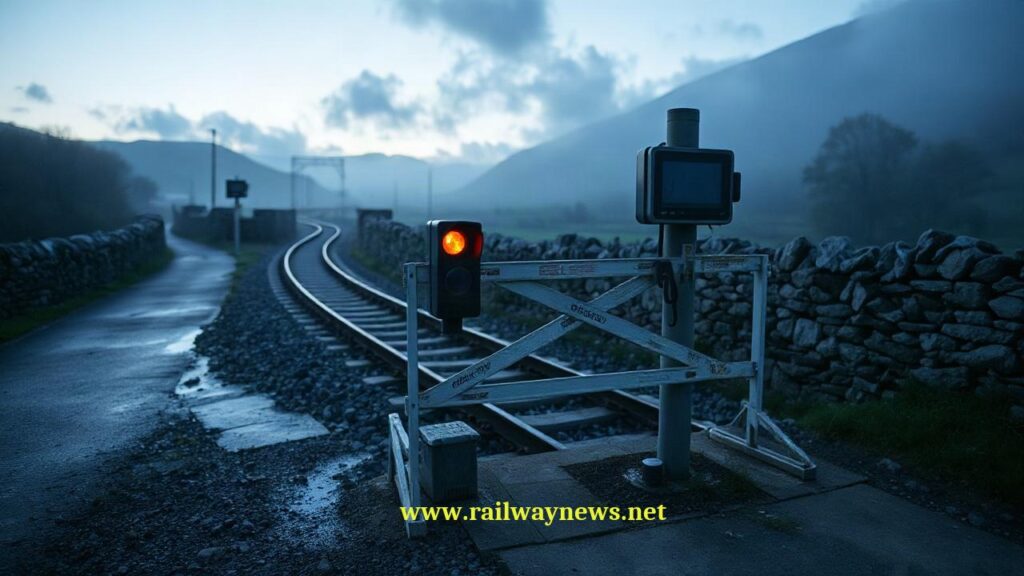
Universal Signalling won a deal to install its U-Cross system...
September 6, 2026 8:17 am
DB InfraGO reopened the Nuremberg-Regensburg line in Bavaria on 31...
September 7, 2026 11:16 pm
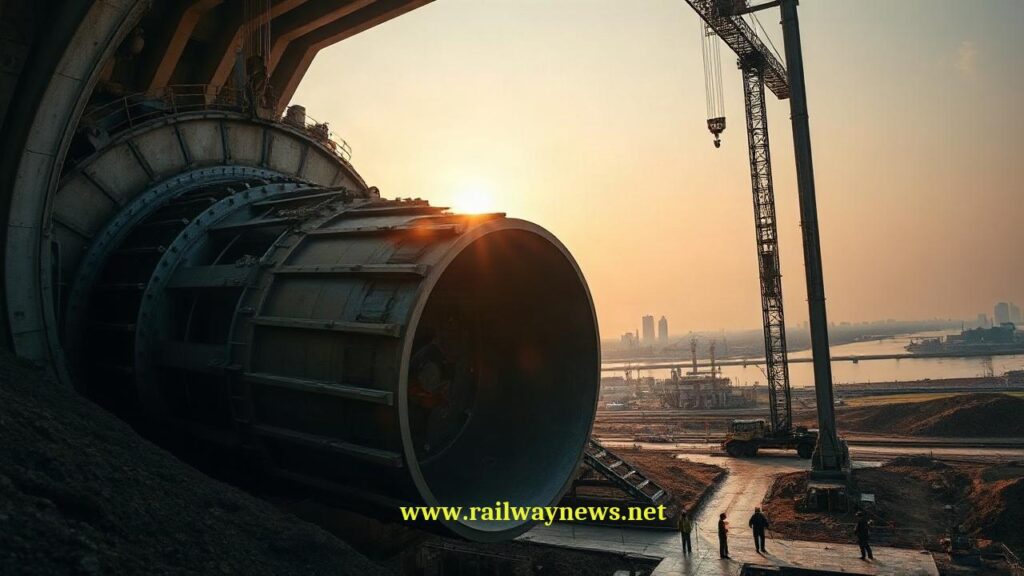
China Railway Tunnel Group completed the 11.3-km underwater Yangtze tunnel...