
Talgo Takeover: Skoda vs Ganz-Mavag
The strategic analysis of competing bids for Talgo highlights the complex interplay between financial offers, political considerations, and potential geopolitical risks in European railway manufacturing, with implications for both companies’ future operations and market positioning.
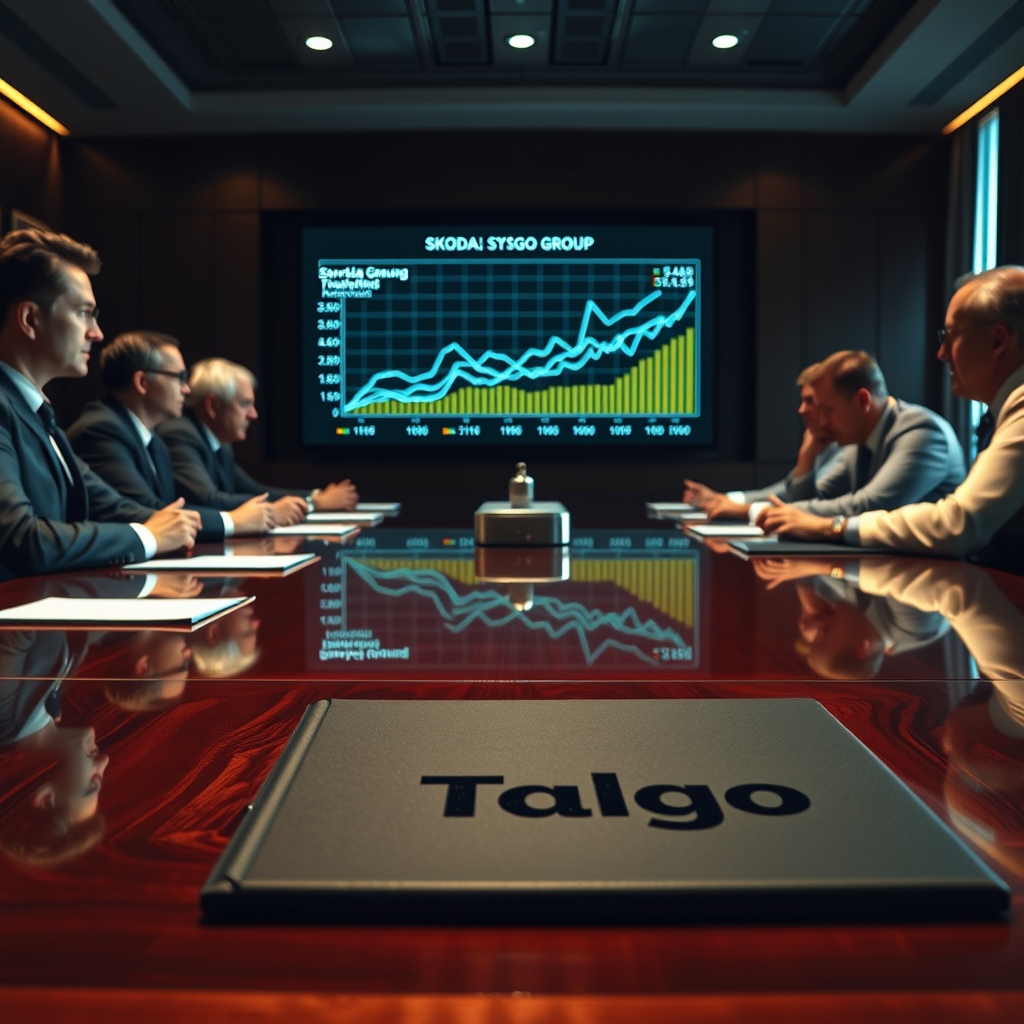
The European railway manufacturing landscape is undergoing significant transformation, marked by strategic mergers and acquisitions. This article explores the complex negotiations surrounding a potential merger between Talgo, a prominent Spanish rolling stock manufacturer, and Skoda Group, a Czech industrial conglomerate. The situation is further complicated by a pre-existing takeover bid from Ganz-Mavag, a Hungarian company, adding layers of geopolitical considerations and financial complexities. We will examine the financial implications of each offer, the political motivations behind government involvement, and the potential implications for the future of European railway manufacturing. The analysis will explore the competitive dynamics within the industry, the strategic advantages and disadvantages of each potential merger, and the potential impact on both companies’ existing operations and future market positioning. The article will conclude by offering insights into the likely outcome of this high-stakes negotiation and its broader implications for the industry.
Competing Bids for Talgo: A Strategic Analysis
Talgo, a leading Spanish manufacturer of high-speed and conventional trains, found itself at the center of a bidding war. In March, it accepted a €619 million (approximately $676 million USD) takeover bid from Ganz-Mavag Europe Zrt (Ganz-Mavag), a Hungarian company. This bid represented a 14.42% premium on Talgo’s share price at the time, suggesting a significant value proposition for Talgo shareholders. However, this bid faced scrutiny from the Spanish government due to concerns about Ganz-Mavag’s potential links to Russia, given Hungary’s close ties to the Kremlin and Ganz-Mavag’s partial state ownership. This geopolitical dimension introduced significant political risk into the deal.
Skoda Group’s Counteroffer and its Implications
Following the Ganz-Mavag bid, Skoda Group, a Czech company owned by PPF, entered the fray. Reportedly backed by the Spanish government, Skoda presented Talgo with a “business combination and industrial integration” proposal. Crucially, the details of Skoda’s financial offer remained undisclosed, prompting Talgo to request further information to assess if it surpasses the value of the Ganz-Mavag offer. This move indicates Talgo’s prioritization of shareholder value and a willingness to explore alternatives despite its initial acceptance of Ganz-Mavag’s bid.
Geopolitical Considerations and Government Intervention
The Spanish government’s apparent preference for Skoda over Ganz-Mavag highlights the geopolitical sensitivities inherent in this deal. The concerns about Ganz-Mavag’s potential ties to Russia, however tenuous, triggered a government response aimed at securing a strategic partner perceived as less risky. This intervention underscores the significant role governments play in shaping strategic mergers and acquisitions in the defense-sensitive railway sector. The government’s involvement adds a layer of complexity beyond the purely financial considerations of the bids.
Potential Outcomes and Industry Impact
The outcome of this situation will significantly impact the European railway industry. A Talgo-Skoda merger would create a significant European rail manufacturing powerhouse, capable of competing on a global scale. Both companies possess strong regional market positions: Talgo in Spain and high-speed rail projects, and Skoda with significant presence in Central Europe (Switzerland, Bulgaria). A combined entity would have expanded manufacturing capabilities, a larger market reach and greater procurement power, increasing its overall competitiveness. However, the success of such a merger hinges on the detailed terms of the agreement, the resolution of any regulatory hurdles, and the integration of two distinct corporate cultures.
Conclusion
The competition for Talgo highlights the increasing consolidation within the European railway manufacturing sector. The bids from Ganz-Mavag and Skoda Group, each with its own advantages and drawbacks, reflect not only financial considerations but also broader geopolitical dynamics. The Spanish government’s involvement underscores the strategic importance of this industry and the potential influence of national security concerns in mergers and acquisitions. Ultimately, Talgo’s board faces a complex decision: weigh the financial benefits of the existing Ganz-Mavag offer against the potential strategic advantages, yet undisclosed financial terms, of the Skoda proposal, all while navigating the political considerations introduced by the Spanish government. The final choice will shape the future landscape of European railway manufacturing and determine the long-term success of Talgo and its partner. The strategic decision made by Talgo will have far-reaching consequences on the European railway landscape, potentially altering the competitive dynamics and influencing the future direction of rail technology and infrastructure development within the region. Regardless of the outcome, it’s clear that the European railway industry is poised for further consolidation and transformation, driven by factors extending beyond purely economic concerns.

Railway infrastructure, rolling stock and transport technologies specialist focused on global rail industry developments, high-speed rail systems, signaling technologies and freight transportation. Covering railway investments, public transport modernization, rail operations and international mobility projects across Europe, Asia and North America.
RELATED POSTS

September 5, 2026 4:19 pm
CPK launched formal tender talks with four consortia to design...

September 5, 2026 7:14 pm
HS2 Ltd signed renegotiated civils contracts with EKFB and Align...

September 6, 2026 4:12 am
Alstom delivered the first of 100 new G Class trams...
September 6, 2026 8:17 am
DB InfraGO reopened the Nuremberg-Regensburg line in Bavaria on 31...
September 5, 2026 6:17 pm
Universal Signalling won a deal to install its U-Cross system...
September 6, 2026 12:20 pm
Indian Railways ordered a probe after a fire destroyed 2...