
Bangkok Orange Line: PPP Rail Expansion
The Orange Line Western Extension project in Bangkok showcases a significant public-private partnership (PPP) investment for urban rail expansion, highlighting the complexities and potential benefits of this collaborative approach to large-scale infrastructure development.
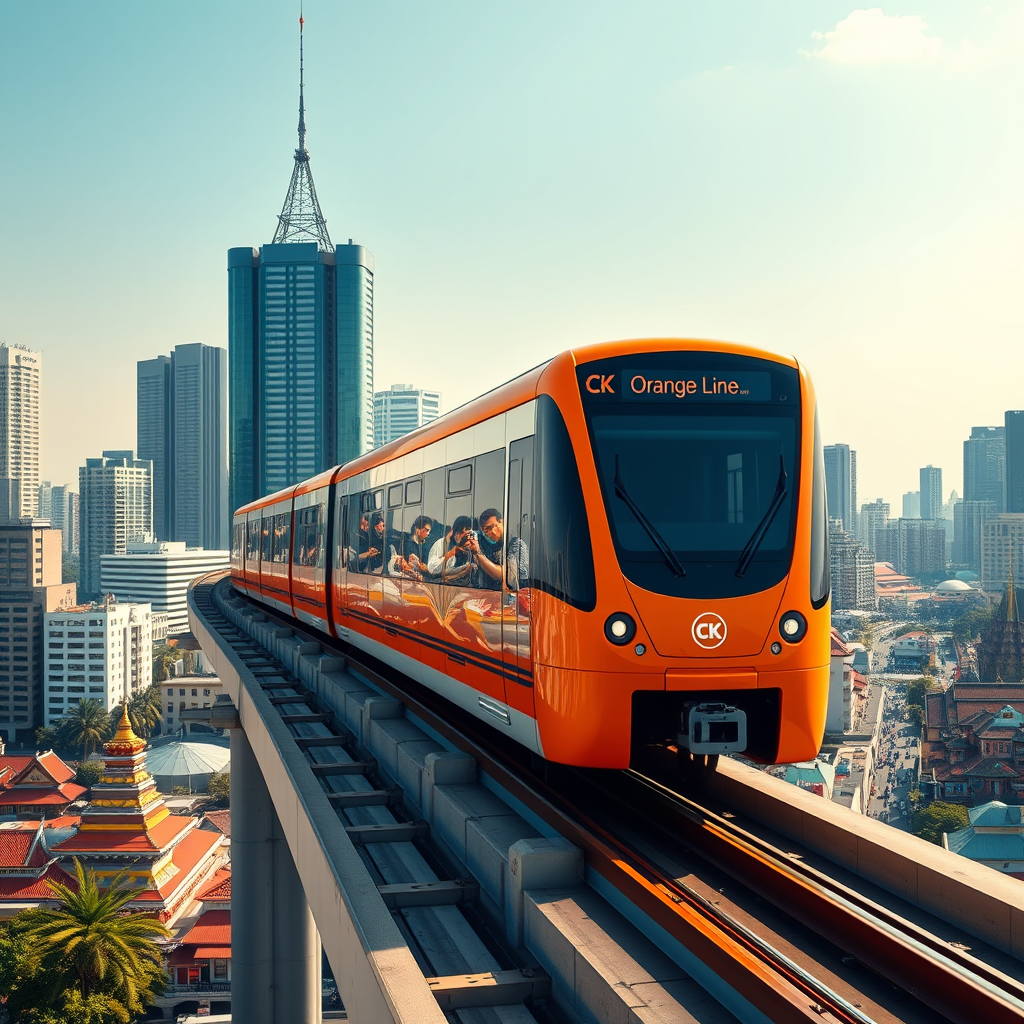
This article examines the significant development in Bangkok’s mass transit infrastructure: the construction of the Western extension of the Orange Line metro system. This project represents a substantial investment in public-private partnerships (PPPs), highlighting the complexities and potential benefits of this collaborative approach to large-scale infrastructure development. The analysis will delve into the specifics of the contract between Bangkok Expressway and Metro (BEM), a private operator, and CH Karnchang (CK), the chosen construction firm. Further, we’ll explore the project’s timeline, potential challenges, and implications for Bangkok’s evolving transportation network. The discussion will also consider the broader context of urban rail expansion in rapidly growing megacities, the role of Intelligent Transportation Systems (ITS), and the challenges of navigating complex legal and logistical hurdles inherent in such undertakings. The successful implementation of this project will be crucial for alleviating congestion and improving connectivity within Bangkok, serving as a model for future infrastructure developments in the region and globally.
The Public-Private Partnership Agreement
The 140 billion baht ($3.8 billion USD) contract between BEM and CK signifies a major commitment to expanding Bangkok’s Orange Line metro. This public-private partnership (PPP) model, where a private entity (BEM) collaborates with the government to finance and operate infrastructure, allows for leveraging private sector expertise and capital, potentially accelerating project delivery. The agreement encompasses not only the civil engineering works for the Western extension but also the procurement and integration of new electric multiple units (EMUs) for the line. This holistic approach ensures seamless integration of infrastructure and rolling stock, optimizing operational efficiency. The 30-year framework extends beyond construction to include long-term maintenance responsibilities for CK, promoting operational sustainability and minimizing future disruptions.
Project Timeline and Challenges
The project’s timeline, currently slated for completion in 2030, reflects delays stemming from the COVID-19 pandemic and reported legal disputes. These delays underscore the vulnerability of large-scale infrastructure projects to unforeseen circumstances. The commencement of construction in early 2025 will be a crucial milestone. Effective project management, including rigorous risk assessment and mitigation strategies, will be paramount to staying on schedule and within budget. This also highlights the importance of robust dispute resolution mechanisms within the PPP contract to ensure timely progress amidst unexpected challenges.
Technological Integration and Operational Efficiency
The integration of Intelligent Transportation Systems (ITS) will be vital to ensuring the smooth operation of the expanded Orange Line. ITS encompasses a range of technologies designed to optimize traffic flow, enhance safety, and improve passenger information systems. These systems may include centralized train control, automatic train protection (ATP), and real-time passenger information displays. The successful implementation of ITS will be key to achieving the project’s objectives of enhanced efficiency and improved passenger experience.
Comparative Analysis and Future Implications
The Orange Line Western extension project can be compared to other ongoing and completed rail projects in Bangkok, such as the Purple Line (Tao Poon – Rat Burana), to identify best practices and address challenges. The successful completion of this project will have significant implications for Bangkok’s overall transportation network, reducing congestion, improving connectivity, and potentially spurring further investment in public transit. The project serves as a case study for other megacities facing similar infrastructural challenges, demonstrating the potential benefits and challenges of PPPs in urban rail expansion.
Conclusions
The construction of the Western extension of Bangkok’s Orange Line metro represents a substantial investment in the city’s transportation infrastructure and a significant example of a public-private partnership (PPP). The 140 billion baht ($3.8 billion USD) contract awarded to CH Karnchang (CK) by Bangkok Expressway and Metro (BEM) encompasses the construction of the line, procurement of EMUs, and a 30-year maintenance agreement. The project, while facing delays due to the COVID-19 pandemic and legal hurdles, is expected to be completed in 2030, beginning construction in early 2025. Successful execution hinges on effective project management, robust risk mitigation strategies, and seamless integration of Intelligent Transportation Systems (ITS). The project’s success will be a critical factor in alleviating Bangkok’s traffic congestion, enhancing connectivity, and potentially serving as a model for similar projects globally. The project’s complexity highlights the need for a detailed understanding of legal frameworks, financial models, and technological integrations within PPP projects in the rail industry. Careful consideration of all these factors will be essential for maximizing the benefits of such large-scale infrastructure investments while mitigating potential risks and ensuring long-term operational sustainability. The successful delivery of this project will not only enhance Bangkok’s transportation system but also contribute valuable lessons learned for future urban rail expansion projects worldwide, particularly within the context of increasingly complex PPP agreements.

Railway infrastructure, rolling stock and transport technologies specialist focused on global rail industry developments, high-speed rail systems, signaling technologies and freight transportation. Covering railway investments, public transport modernization, rail operations and international mobility projects across Europe, Asia and North America.
RELATED POSTS

September 5, 2026 4:19 pm
CPK launched formal tender talks with four consortia to design...

September 5, 2026 7:14 pm
HS2 Ltd signed renegotiated civils contracts with EKFB and Align...

September 6, 2026 4:12 am
Alstom delivered the first of 100 new G Class trams...
September 6, 2026 8:17 am
DB InfraGO reopened the Nuremberg-Regensburg line in Bavaria on 31...
September 5, 2026 6:17 pm
Universal Signalling won a deal to install its U-Cross system...
September 6, 2026 12:20 pm
Indian Railways ordered a probe after a fire destroyed 2...