
Germany’s €40B Rail Upgrade: Coal Region Revitalization
Modernizing Germany’s railway infrastructure, particularly in coal-dependent regions, through significant investments totaling €40 billion, aims to enhance capacity, reduce travel times, and facilitate economic revitalization by creating new employment opportunities and fostering sustainable growth.
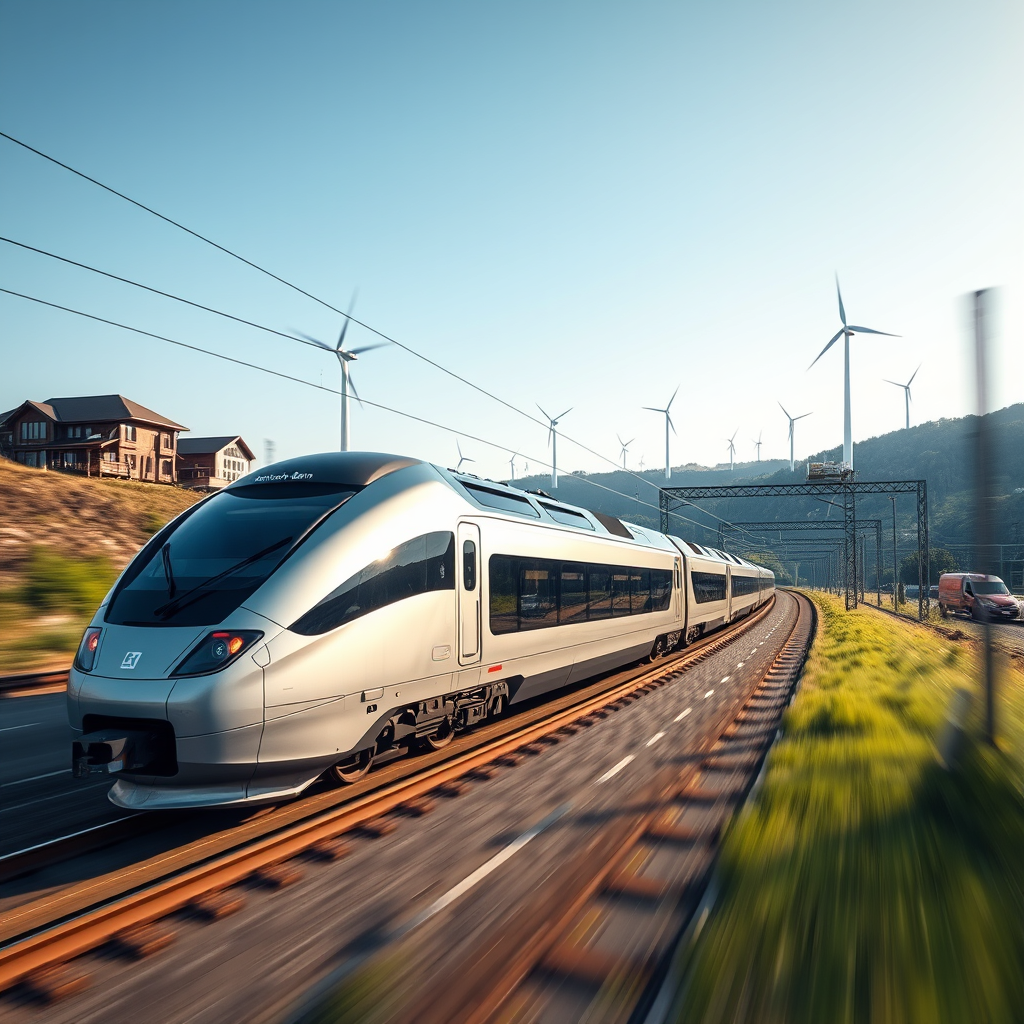
Modernizing Germany’s Railway Infrastructure: A Focus on Coal Region Revitalization
This article explores the significant investment by Deutsche Bahn (DB), Germany’s national railway operator, in upgrading and expanding its rail network, particularly within regions historically reliant on coal mining. A €40 billion ($43.4 billion USD) agreement, approved by Federal Transport Minister Volker Wissing, encompasses ten key projects aimed at enhancing capacity, reducing travel times, and facilitating economic revitalization. This initiative is a crucial component of Germany’s broader “structural change” strategy, addressing the economic and social impacts of transitioning away from coal. The projects range from electrification and double-tracking of major lines to improvements in suburban (S-Bahn) networks and upgrades to crucial intercity routes. The modernization efforts are not simply about infrastructure improvements; they are about creating new opportunities for employment and economic development in previously coal-dependent areas, fostering sustainable growth, and strengthening regional connectivity within Germany and its neighboring countries, particularly Poland.
Electrification and Capacity Expansion
A central theme of the DB’s investment plan is the electrification and double-tracking of key rail lines. This significantly increases network capacity, allowing for more frequent and faster train services. The electrification component is vital for reducing Germany’s carbon footprint, transitioning away from diesel-powered trains towards environmentally friendly electric alternatives. The double-tracking of lines such as the Cottbus-Görlitz route, connecting Berlin with Polish regions, is critical for boosting freight and passenger transport efficiency. The project also addresses capacity bottlenecks and improves the overall resilience of the railway network. This specific project’s focus on connecting major cities emphasizes the strategic importance of improving regional connectivity to stimulate economic growth.
Regional Connectivity and Economic Development
The planned upgrades extend beyond major lines, encompassing improvements to suburban (S-Bahn) networks in Leipzig-Merseburg and the Rhenish mining area. These projects directly impact local communities, improving access to employment opportunities and essential services. Additionally, the improvements to lines like the Leipzig-Chemnitz (a 44km northern section between Bad Lausick and Geithain) will facilitate better regional integration, reducing travel times and strengthening economic links between cities. These projects are not just about transportation; they’re crucial for enhancing the quality of life and fostering economic development within these communities, creating a more vibrant and interconnected regional landscape.
Addressing Aging Infrastructure and Accelerated Renovation Strategies
DB’s investment tackles years of underinvestment in Germany’s rail infrastructure. The initiative represents a detailed approach to modernizing aging infrastructure. One innovative strategy involves extended closures of entire lines (such as the five-month closure of the Frankfurt-Mannheim line), allowing for faster completion of renovation works compared to shorter, intermittent closures. This method, while disruptive in the short-term, aims to expedite the modernization process and minimize long-term disruptions. This approach necessitates careful planning and coordination to minimize inconvenience to passengers and freight operations but promises long-term benefits through faster implementation and improved overall infrastructure.
Sustainable Transportation and Structural Change
The overarching goal of this investment is to contribute to Germany’s broader strategy of structural change, particularly in regions transitioning away from coal mining. The projects directly address the need for economic diversification and job creation in these areas. By improving transportation infrastructure, the DB aims to attract new businesses and industries, creating new employment opportunities and stimulating sustainable economic growth. The electrification of rail lines forms an integral part of Germany’s commitment to climate protection, decreasing reliance on fossil fuels and mitigating environmental impact. This transition towards sustainable transportation is intrinsically linked to the wider social and economic revitalization of these affected regions, ensuring long-term sustainability and prosperity.
Conclusions
Deutsche Bahn’s €40 billion investment in upgrading Germany’s railway network represents a significant step towards modernizing infrastructure, boosting regional economies, and fostering sustainable development. The project focuses on electrification, double-tracking, and enhancing regional connectivity, particularly in areas undergoing structural change due to the phase-out of coal mining. The projects, ranging from the expansion of major intercity lines like Cottbus-Görlitz to improvements in S-Bahn networks across various regions, are designed not only to improve transportation efficiency and reduce travel times but also to stimulate economic growth and create new employment opportunities. The strategic approach to infrastructure renewal, including the trial of longer, complete line closures for more efficient renovation, highlights DB’s commitment to modernizing the network effectively while minimizing long-term disruptions. The success of this initiative will depend on effective project management, stakeholder engagement, and seamless integration with broader economic development strategies for affected regions. Ultimately, the investment signifies a crucial step in Germany’s journey towards a sustainable, economically vibrant, and interconnected future, demonstrating a strong commitment to environmental responsibility and regional economic rejuvenation.

Railway infrastructure, rolling stock and transport technologies specialist focused on global rail industry developments, high-speed rail systems, signaling technologies and freight transportation. Covering railway investments, public transport modernization, rail operations and international mobility projects across Europe, Asia and North America.
RELATED POSTS

October 1, 2026 7:09 am
United States regulators confirmed a September 30 deadline for the...

October 8, 2026 1:15 pm
Alstom secured a €1bn contract to build 13 automated trains,...

October 4, 2026 5:14 pm
Alstom secured a CA$4.7 billion order from VIA Rail Canada...

October 8, 2026 12:18 pm
Siemens Mobility signed an agreement with VinSpeed to supply 350...

October 5, 2026 6:12 pm
AECOM and Jacobs secured a contract in September 2026 to...

October 4, 2026 11:08 pm
Sound Transit confirmed the September 30 opening of Seattle Pinehurst...