
Hydrogen Rail Freight: Nestlé’s Green Revolution
Nestlé Waters’ partnership with Alstom and Engie demonstrates a pioneering approach in transitioning traditional diesel freight trains to hydrogen-powered systems, aiming to revolutionize the railway industry by reducing greenhouse gas emissions through a dual-mode locomotive system that integrates electric traction with renewable hydrogen.
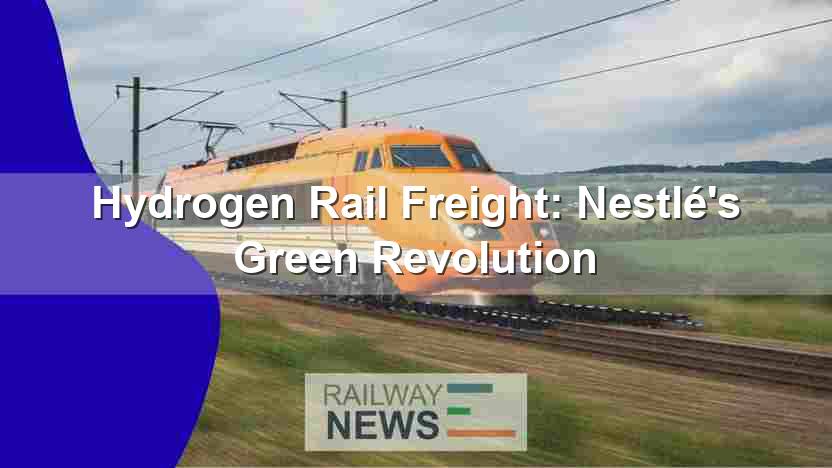
The Transition to Hydrogen-Powered Rail Freight: A Case Study of Nestlé Waters’ Initiative
The global railway industry faces increasing pressure to decarbonize its operations. Traditional diesel locomotives contribute significantly to greenhouse gas emissions, prompting a search for sustainable alternatives. This article explores a pioneering initiative by Nestlé Waters, in partnership with Alstom and Engie, to implement hydrogen-powered freight trains in France. This strategic move represents a significant step towards reducing the environmental impact of rail freight transportation, showcasing the potential of hydrogen fuel cell technology to revolutionize the sector. We will delve into the technical aspects of the dual-mode locomotive system, analyze the environmental benefits, and discuss the broader implications for the railway industry’s transition towards a more sustainable future. The case study focuses on the practical challenges and successes of integrating hydrogen technology into existing rail infrastructure, while highlighting the economic considerations and collaborative partnerships required for successful deployment. Finally, the article will analyze the potential for broader adoption and the technological hurdles that need to be overcome for widespread implementation.
A Dual-Mode Locomotive System: Combining Electric and Hydrogen Power
Nestlé Waters’ initiative leverages a dual-mode locomotive system developed by Alstom, a leader in rail technology. This system seamlessly integrates electric traction from the overhead catenary (OHLE) system with a hydrogen fuel cell generator. In electrified sections of the rail network, the locomotive operates conventionally using electricity from the OHLE. However, in non-electrified areas, a generator wagon equipped with a high-power fuel cell system powered by renewable hydrogen steps in. This generator supplies electricity to the locomotive, effectively eliminating the need for diesel engines. This design provides operational flexibility, allowing the train to operate efficiently across diverse rail networks. The key innovation lies in the seamless transition between power sources, ensuring uninterrupted service.
Environmental Benefits and Emission Reduction
The primary driver behind this initiative is the reduction of greenhouse gas emissions. By replacing diesel locomotives with a hydrogen-powered alternative, Nestlé Waters aims to reduce its carbon footprint significantly. The project is estimated to lower emissions by 10,000 tonnes of CO2 equivalent per annum. This substantial reduction underscores the environmental benefits of transitioning to hydrogen fuel cell technology. The use of renewable hydrogen further enhances the environmental impact, creating a truly sustainable transportation solution. This is a crucial step in reducing the overall environmental impact of supply chains within the beverage industry, a sector under increasing pressure to reduce its carbon footprint. The project showcases the potential for considerable emission reductions within the broader rail freight sector.
Supply Chain Integration and Collaboration
The successful implementation of this project relies on a robust and efficient supply chain. Engie, a major energy company, plays a vital role in providing renewable hydrogen to power the fuel cell system. The establishment of a reliable and sustainable hydrogen supply chain is paramount for the long-term success of this initiative. This collaborative approach between Nestlé Waters, Alstom, and Engie highlights the importance of partnerships in driving innovation and achieving sustainability goals. The integration of hydrogen production, storage, and distribution into the existing rail freight logistics presents significant logistical challenges, requiring careful planning and coordination across multiple stakeholders. The success of this model relies on the efficiency and reliability of each component in the chain.
Conclusions and Future Outlook
The Nestlé Waters initiative represents a significant milestone in the decarbonization of the railway industry. The successful implementation of a dual-mode hydrogen-powered freight train demonstrates the technological feasibility and environmental benefits of this technology. The project’s projected annual reduction of 10,000 tonnes of CO2 equivalent highlights the substantial environmental gains possible through the adoption of sustainable transportation solutions. The collaboration between Nestlé Waters, Alstom, and Engie underscores the importance of strategic partnerships in driving innovation and overcoming the challenges associated with the transition to hydrogen-based fuel systems. The project also addresses the logistical challenges of implementing hydrogen infrastructure within an existing supply chain, showing the feasibility of integrating new technologies into established operations. However, the widespread adoption of hydrogen-powered trains depends on several factors. Cost-effectiveness, the availability of renewable hydrogen, and the development of efficient hydrogen refueling infrastructure are key considerations. Additionally, standardization and interoperability of hydrogen fuel cell technology across different rail networks are crucial for broader market penetration. Despite these challenges, the success of this project paves the way for a broader shift towards sustainable rail freight transportation, offering a promising pathway towards a greener future for the railway industry. The strategic implications for the wider industry are immense, suggesting a likely future where hydrogen plays a dominant role in powering rail systems in non-electrified areas and reducing the industry’s environmental impact. This initiative serves as a compelling case study for other companies seeking to minimize their environmental footprint and adopt sustainable practices within their supply chains. The future of rail transportation is moving towards a greener, more sustainable model, and initiatives such as this one demonstrate the concrete steps being taken to achieve that goal.

Railway infrastructure, rolling stock and transport technologies specialist focused on global rail industry developments, high-speed rail systems, signaling technologies and freight transportation. Covering railway investments, public transport modernization, rail operations and international mobility projects across Europe, Asia and North America.
RELATED POSTS

October 8, 2026 1:15 pm
Alstom secured a €1bn contract to build 13 automated trains,...

October 1, 2026 7:09 am
United States regulators confirmed a September 30 deadline for the...

October 8, 2026 12:18 pm
Siemens Mobility signed an agreement with VinSpeed to supply 350...

October 4, 2026 5:14 pm
Alstom secured a CA$4.7 billion order from VIA Rail Canada...

October 5, 2026 6:12 pm
AECOM and Jacobs secured a contract in September 2026 to...

October 4, 2026 11:08 pm
Sound Transit confirmed the September 30 opening of Seattle Pinehurst...