
HS2 Long Itchington Wood Tunnels: Engineering Marvel
The HS2 Long Itchington Wood tunnels project showcases significant engineering challenges in large-scale tunnel boring within an environmentally sensitive area, highlighting innovative solutions and sustainable practices that advance infrastructure advancements.
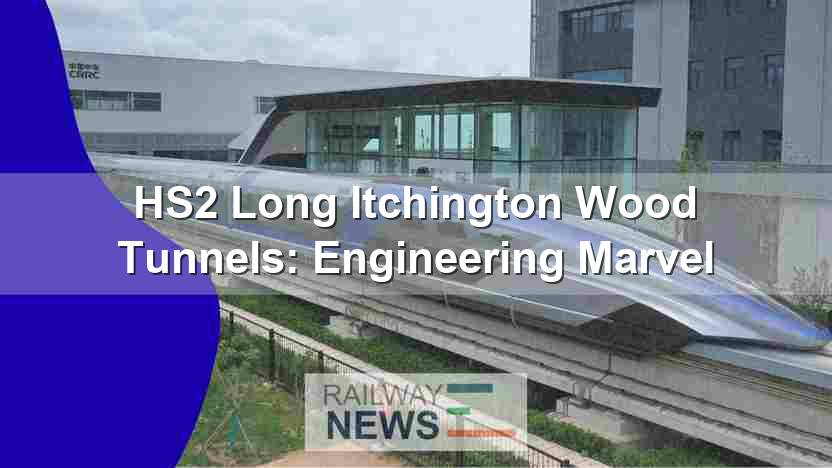
This article examines the significant engineering undertaking of constructing the twin-bore tunnels under Long Itchington Wood as part of the High Speed Two (HS2) railway project in the UK. The project showcases the challenges and innovations involved in large-scale tunnel boring, particularly within environmentally sensitive areas. We will explore the deployment of Tunnel Boring Machines (TBMs), the logistical complexities of reassembling and relaunching these massive machines, the management of excavated materials, and the overall contribution to the advancement of the HS2 network. The successful completion of this phase is crucial for the overall project timeline and demonstrates the intricate planning and execution required for such ambitious infrastructure projects. The focus will be on the technical aspects of the tunnel construction, highlighting the engineering solutions implemented to overcome the unique challenges posed by this specific location.
Tunnel Boring Machine (TBM) Deployment and Relauch
The successful relaunch of the 125-meter-long Dorothy TBM for the second bore under Long Itchington Wood marks a critical milestone. This underscores the complexities involved in managing such large-scale equipment. The dismantling, transport, and reassembly of the over 1,000-tonne gantry system within the confines of the existing tunnel required meticulous planning and execution. The time taken (four months) for this process highlights the logistical challenges inherent in this type of large-scale infrastructure project. The successful completion of this phase, a testament to the engineering expertise involved, paves the way for the completion of the second tunnel bore. This process demonstrates the iterative nature of TBM operations in twin-bore projects, emphasizing the need for robust planning and contingency measures.
Environmental Considerations and Sustainability
The Long Itchington Wood area is designated a Site of Special Scientific Interest (SSSI), demanding a high level of environmental sensitivity during construction. The project’s approach to managing the 500,000 tonnes of excavated mudstone and soil exemplifies sustainable practices. The on-site slurry treatment plant effectively separates and processes the material, preventing environmental damage. The subsequent use of a 254-meter conveyor belt to transport the material for embankment construction along the railway line further minimizes the project’s environmental footprint. This commitment to environmentally responsible practices sets a positive precedent for future large-scale infrastructure projects.
Project Management and Milestones
The project’s success hinges on meticulous project management. The sequential completion of the twin bores, with the first completed in July and the second anticipated in Summer 2023, reflects a well-defined schedule and efficient execution. The achievement of these milestones highlights the synergistic collaboration between various teams – engineers, contractors (Balfour Beatty VINCI), and project managers. This structured approach ensures timely progress and ultimately contributes to the overall success of the HS2 project. The lessons learned from this phase are invaluable for future phases of the project and for similar large-scale tunnelling ventures worldwide.
The Broader Context of HS2
The Long Itchington Wood tunnels represent one component within the larger context of the HS2 network. This project, involving multiple TBMs simultaneously excavating twin tunnels under the Chilterns and London, showcases the scale and complexity of the overall undertaking. The successful completion of this segment adds to the momentum of the entire project, bringing it closer to its ultimate goal of improved high-speed rail connectivity across the UK. The experience gained through the challenges and successes encountered during the Long Itchington Wood tunnel construction will contribute significantly to the execution of subsequent phases of the HS2 project, leading to increased efficiency and optimized processes.
Conclusions
The HS2 Long Itchington Wood twin-bore tunnels represent a significant achievement in modern railway engineering. The project successfully demonstrates the effective deployment and relaunch of a large-scale TBM (Dorothy) within a challenging, environmentally sensitive environment. The meticulous planning and execution, including the innovative management of excavated materials, highlight the commitment to sustainability and efficiency. The completion of the first bore and the ongoing progress of the second demonstrate the capacity for timely project delivery, underscoring the importance of robust project management and collaborative teamwork. This project provides valuable insights into the technical and logistical complexities of large-scale tunnelling, offering valuable lessons and best practices for future railway infrastructure projects worldwide. The success of this phase contributes substantially to the overarching goal of the HS2 project – enhancing the UK’s high-speed rail network, boosting connectivity, and stimulating economic growth. The project stands as a testament to the power of human ingenuity and the feasibility of undertaking ambitious, large-scale infrastructure developments while maintaining environmental responsibility and sustainability.
The experience gained from this project will be invaluable for future railway projects, both in the UK and internationally. The lessons learned regarding TBM operations in complex geological conditions, the effective management of excavated materials, and the application of environmentally conscious construction practices will contribute significantly to enhancing efficiency, reducing environmental impact, and ultimately improving the success rate of similar large-scale tunnel projects in the future. The seamless integration of technical expertise, logistical planning, and environmental responsibility showcases a model for sustainable infrastructure development. The HS2 project, and specifically the Long Itchington Wood tunnels, stand as a testament to the dedication and capability of engineers and construction professionals to deliver complex infrastructure developments responsibly and efficiently.

Railway infrastructure, rolling stock and transport technologies specialist focused on global rail industry developments, high-speed rail systems, signaling technologies and freight transportation. Covering railway investments, public transport modernization, rail operations and international mobility projects across Europe, Asia and North America.
RELATED POSTS

September 5, 2026 4:19 pm
CPK launched formal tender talks with four consortia to design...

September 5, 2026 7:14 pm
HS2 Ltd signed renegotiated civils contracts with EKFB and Align...

September 6, 2026 4:12 am
Alstom delivered the first of 100 new G Class trams...

September 6, 2026 8:17 am
DB InfraGO reopened the Nuremberg-Regensburg line in Bavaria on 31...
September 5, 2026 6:17 pm
Universal Signalling won a deal to install its U-Cross system...
September 6, 2026 12:20 pm
Indian Railways ordered a probe after a fire destroyed 2...