
ECML’s ETCS Level 2 Success: A Rail Revolution
The recent completion of dynamic ETCS Level 2 testing on the UK’s East Coast Main Line by Network Rail, in collaboration with manufacturers, marks a significant milestone towards widespread implementation across passenger and freight services, addressing the challenge of retrofitting existing fleets for enhanced safety and efficiency.
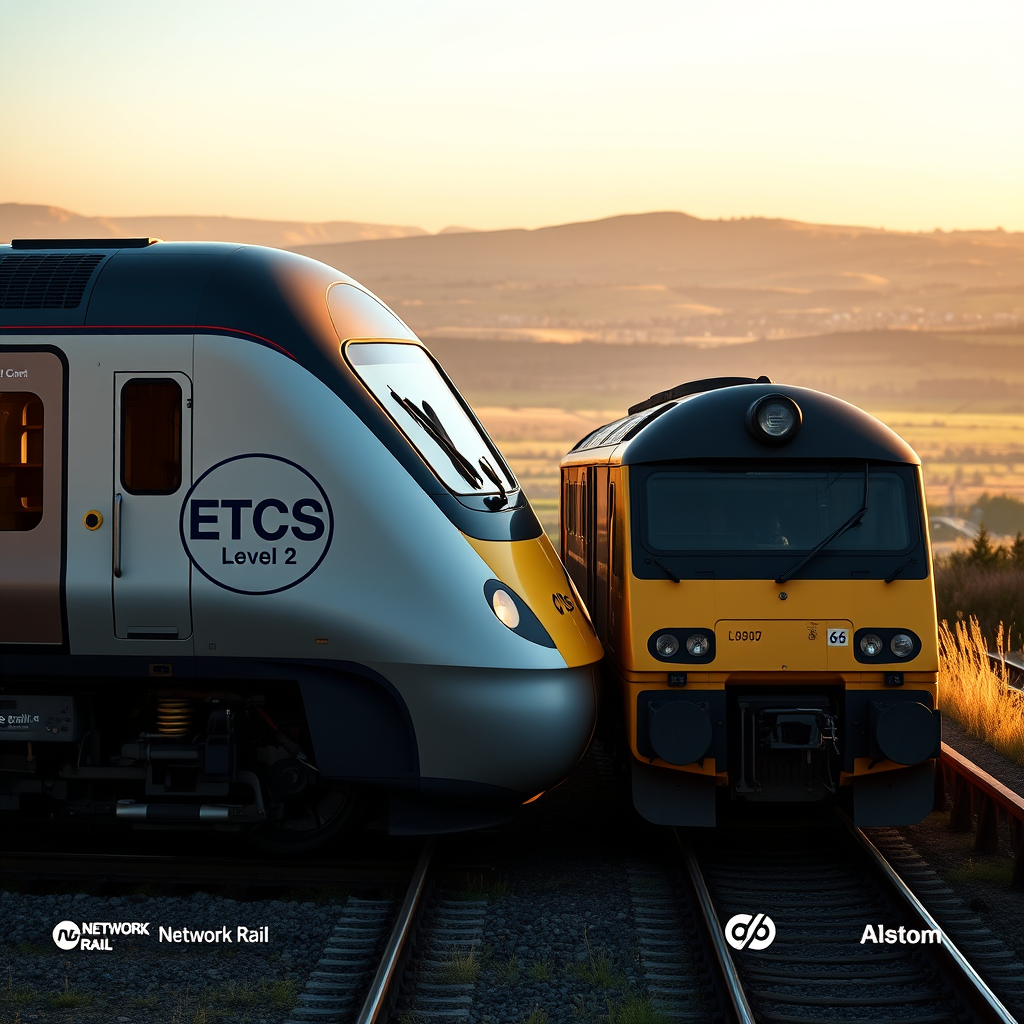
This article explores the recent successful completion of dynamic ETCS (European Train Control System) Level 2 testing on the UK’s East Coast Main Line (ECML), a crucial development for the nation’s railway modernization. The successful trials, conducted by Network Rail in collaboration with rolling stock and ETCS manufacturers, signify a major step towards widespread ETCS implementation across both passenger and freight services. This achievement underscores the commitment to enhancing safety, efficiency, and sustainability within the UK rail network. The testing focused on the compatibility and performance of ETCS Level 2 on diverse rolling stock, including electric multiple units (EMUs) and diesel locomotives, addressing the significant challenge of retrofitting existing fleets. The article will delve into the specifics of the testing process, the participating parties, the significance of the results, and the future implications for the East Coast Digital Programme (ECDP).
Successful ETCS Level 2 Testing on the East Coast Main Line
Network Rail, the UK’s rail infrastructure manager, has successfully concluded dynamic testing of ETCS Level 2 on two strategically important fleets operating on the ECML: Govia Thameslink Railway’s Great Northern Class 387/1 Electrostar EMUs (specifically unit 387101) and DB Cargo’s Class 66 diesel locomotives (specifically unit 66039). This achievement marks a significant milestone in the ECDP’s goal of implementing a fully digitalized railway system. The tests were conducted at Network Rail’s Innovation and Development Centre (RIDC) in Melton, leveraging its advanced facilities to simulate real-world operating conditions. The selection of these specific units reflects their prevalence in the UK rail network, aiming to demonstrate the feasibility of ETCS retrofitting across a broad spectrum of rolling stock.
Addressing the Challenges of ETCS Retrofit
The successful testing addressed the inherent complexities of integrating ETCS Level 2 onto existing rolling stock. ETCS Level 2 demands continuous driver supervision, requiring sophisticated onboard systems and seamless integration with existing train control infrastructure. The tests also involved evaluating the system’s performance in degraded modes of operation, a critical aspect of ensuring resilience and safety. This robust testing methodology is crucial for validating the reliability and safety of the retrofitted ETCS systems before wider deployment. The successful implementation on both EMUs and diesel locomotives showcases the adaptability of the ETCS system to diverse rolling stock configurations.
Collaboration and Industry Partnerships
The success of the ETCS testing highlights the importance of collaboration between Network Rail, rolling stock manufacturers (like Alstom in the case of the Class 387), and freight operators (such as DB Cargo). This collaborative approach is fundamental for the successful implementation of large-scale technological upgrades within the railway industry. The shared commitment to modernizing the UK rail network has been instrumental in overcoming the challenges associated with ETCS integration. Alstom, for example, played a crucial role in providing the cutting-edge technology and expertise for the Class 387 retrofit. This collaborative model serves as a best-practice example for future rail modernization projects globally.
Implications for the East Coast Digital Programme (ECDP) and the Future of UK Rail
The successful ETCS Level 2 testing is a pivotal achievement for the ECDP, marking substantial progress toward the program’s overarching objectives. The completion of these trials paves the way for further testing and eventual full operational deployment of ETCS on the ECML. The accumulated fault-free mileage from these test runs is vital in the approvals process, bringing the ECDP closer to its goal of a digitally enabled, safer, more efficient, and environmentally sustainable railway system. The focus on both passenger and freight operations ensures detailed modernization across the entire rail network. These efforts represent a substantial investment in the future of UK rail, promising improved safety, enhanced operational efficiency, and reduced environmental impact.
Conclusions
The successful completion of dynamic ETCS Level 2 testing on the East Coast Main Line represents a significant leap forward for the UK’s rail modernization efforts. The trials, conducted on both passenger (Class 387/1 Electrostar EMUs) and freight (Class 66 locomotives) rolling stock, demonstrate the feasibility and effectiveness of retrofitting ETCS Level 2 onto existing fleets. This achievement is particularly noteworthy because it addresses the considerable challenges associated with integrating this advanced train control system into the diverse and complex existing infrastructure. The success is a direct result of effective collaboration between Network Rail, rolling stock manufacturers, and freight operators, highlighting the importance of a collaborative approach to large-scale railway modernization projects. The accumulated fault-free mileage from these tests is crucial for gaining regulatory approvals and advancing the East Coast Digital Programme (ECDP) towards its ultimate goal of a fully digitalized rail network. This modernization will undoubtedly enhance safety, improve efficiency, increase capacity, and contribute to a more environmentally sustainable railway system. The lessons learned from this successful initiative can serve as a valuable blueprint for similar upgrade projects worldwide, driving innovation and progress in the global rail industry.

Railway infrastructure, rolling stock and transport technologies specialist focused on global rail industry developments, high-speed rail systems, signaling technologies and freight transportation. Covering railway investments, public transport modernization, rail operations and international mobility projects across Europe, Asia and North America.
RELATED POSTS

October 8, 2026 1:15 pm
Alstom secured a €1bn contract to build 13 automated trains,...

October 1, 2026 7:09 am
United States regulators confirmed a September 30 deadline for the...

October 8, 2026 12:18 pm
Siemens Mobility signed an agreement with VinSpeed to supply 350...

October 4, 2026 5:14 pm
Alstom secured a CA$4.7 billion order from VIA Rail Canada...

October 5, 2026 6:12 pm
AECOM and Jacobs secured a contract in September 2026 to...

October 4, 2026 11:08 pm
Sound Transit confirmed the September 30 opening of Seattle Pinehurst...