
HS2 & EWR Unite: Calvert Bridge Milestone
The successful installation of the new bridge over the HS2 line near Calvert, Buckinghamshire, marks a significant milestone in the integration of the High-Speed 2 (HS2) railway project with the East West Rail (EWR) network, demonstrating modern engineering solutions and collaborative efforts towards creating a connected and sustainable rail infrastructure.
This article explores the significant milestone achieved in the construction of the High-Speed 2 (HS2) railway line in the UK, specifically focusing on the installation of a new bridge facilitating the East West Rail (EWR) connection between Oxford and Cambridge. The successful placement of this bridge represents a critical juncture in the integration of these two major rail projects, highlighting the complex engineering challenges and collaborative efforts involved in creating a modern, interconnected, and sustainable railway network. The project underscores the importance of strategic planning, innovative engineering solutions, and effective collaboration between various stakeholders in the successful delivery of large-scale infrastructure projects. The intricate interplay between HS2 and EWR, particularly at the Calvert intersection, showcases the multifaceted considerations required to balance high-speed rail development with regional connectivity and community needs. We will examine the technical aspects of the bridge construction, the logistical complexities of the operation, and the broader implications of this achievement for the future of British rail travel.
The Calvert Intersection: A Complex Engineering Feat
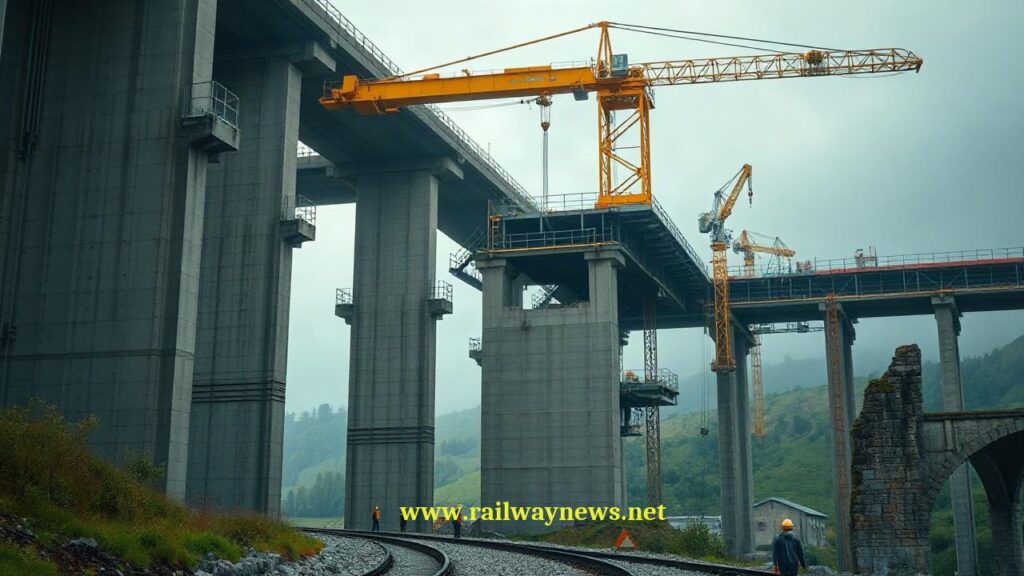
The installation of the 35-meter-long bridge over the HS2 line near Calvert, Buckinghamshire, is a testament to modern engineering capabilities. The bridge, weighing over 315 tonnes, was assembled on-site and lifted into its final position by a team led by EKFB (a joint venture of Ferrovial Construction, Bam Nuttall, Eiffage, and Kier), the main works contractor for HS2. This location presents unique challenges due to its role as a crucial intersection point between the HS2 high-speed line and the EWR network. The careful planning and execution of this operation are vital for maintaining the integrity of both rail lines and ensuring the smooth progress of both projects. The design, incorporating materials intended to naturally weather to a dark brown hue, demonstrates attention to aesthetics and environmental integration.
Integrating High-Speed and Regional Rail Networks
The project highlights the increasing importance of integrating high-speed rail (HSR) networks with existing regional rail lines. The Calvert bridge specifically connects the HS2 line to the EWR, a project aiming to re-establish rail services along a route largely decommissioned in the 1960s. This integration is not merely about physical connectivity but also about optimizing the overall efficiency and accessibility of the national rail system. By seamlessly integrating different lines, passengers can benefit from more direct routes and reduced journey times, enhancing the economic viability and overall effectiveness of both rail networks. The design also accounts for future expansion; the Calvert cutting is wide enough to accommodate additional local rail lines alongside HS2 in the future.
Community Engagement and Sustainability
The HS2 project emphasizes community engagement as a core principle. EKFB’s project director, Dave Newcombe, highlights the importance of considering local communities during the construction process. This commitment to transparency and collaboration helps mitigate disruption and builds public support for large-scale infrastructure projects. Additionally, the project demonstrates commitment to sustainability. HS2 aims to enhance north-south railway services with zero-carbon travel, a crucial element in addressing environmental concerns. The overall earthworks in the Calvert area, including the creation of the 3.4km Calvert cutting (requiring approximately 685,000m³ of material), two smaller road bridges and a footbridge, underline the scale and complexity of the undertaking.
The Broader Impact of the HS2 and EWR Integration
The successful placement of the Calvert bridge symbolizes more than just a construction milestone; it represents a crucial step toward the realization of a modern and efficient British rail network. The integration of HS2 and EWR will significantly improve north-south and east-west connectivity, bolstering economic growth and regional development. The project’s projected creation of over 29,000 jobs further emphasizes its economic impact. The innovative engineering solutions employed, such as the on-site assembly and lifting of the bridge, showcase the UK’s capability in delivering large-scale infrastructure projects. The project’s success underscores the importance of collaborative planning and effective execution in tackling complex engineering and logistical challenges.
Conclusion
The successful installation of the East West Rail bridge over the HS2 line near Calvert marks a significant milestone in the construction of two vital rail projects. This achievement is not simply about the physical completion of a bridge, but rather a symbolic representation of the successful integration of high-speed and regional rail networks. The project has demonstrated the importance of careful planning, innovative engineering solutions, community engagement and a commitment to sustainability. The Calvert intersection exemplifies how strategic infrastructure development can balance the demands of high-speed rail with the needs of regional connectivity and community well-being. The bridge, with its thoughtful design and integration into the surrounding environment, is not just a functional element, but a testament to modern engineering capabilities and a symbol of progress for the future of British rail travel. The project’s success serves as a blueprint for future large-scale infrastructure projects, emphasizing the vital role of collaboration, thoughtful design, and a strong commitment to both economic growth and environmental sustainability. The expected benefits – improved journey times, enhanced regional connectivity, job creation, and progress towards zero-carbon travel – demonstrate the significant positive impact of this integrated approach to rail development. The Calvert bridge stands as a testament to the vision and dedication of all involved, paving the way for a more connected and sustainable future for the UK’s railway system.

Railway infrastructure, rolling stock and transport technologies specialist focused on global rail industry developments, high-speed rail systems, signaling technologies and freight transportation. Covering railway investments, public transport modernization, rail operations and international mobility projects across Europe, Asia and North America.
RELATED POSTS

September 5, 2026 4:19 pm
CPK launched formal tender talks with four consortia to design...

September 6, 2026 4:12 am
Alstom delivered the first of 100 new G Class trams...
September 5, 2026 7:14 pm
HS2 Ltd signed renegotiated civils contracts with EKFB and Align...
September 6, 2026 8:17 am
DB InfraGO reopened the Nuremberg-Regensburg line in Bavaria on 31...
September 5, 2026 6:17 pm
Universal Signalling won a deal to install its U-Cross system...
September 6, 2026 12:20 pm
Indian Railways ordered a probe after a fire destroyed 2...