
GBRf’s £2.5M Tonbridge Facility: Rail Revolution
GB Railfreight invests £2.5 million in a new locomotive maintenance facility in Tonbridge, UK, enhancing operational efficiency, reducing carbon footprint, and supporting the UK’s rail freight industry towards achieving a 75% increase in rail freight by 2050.
Introduction
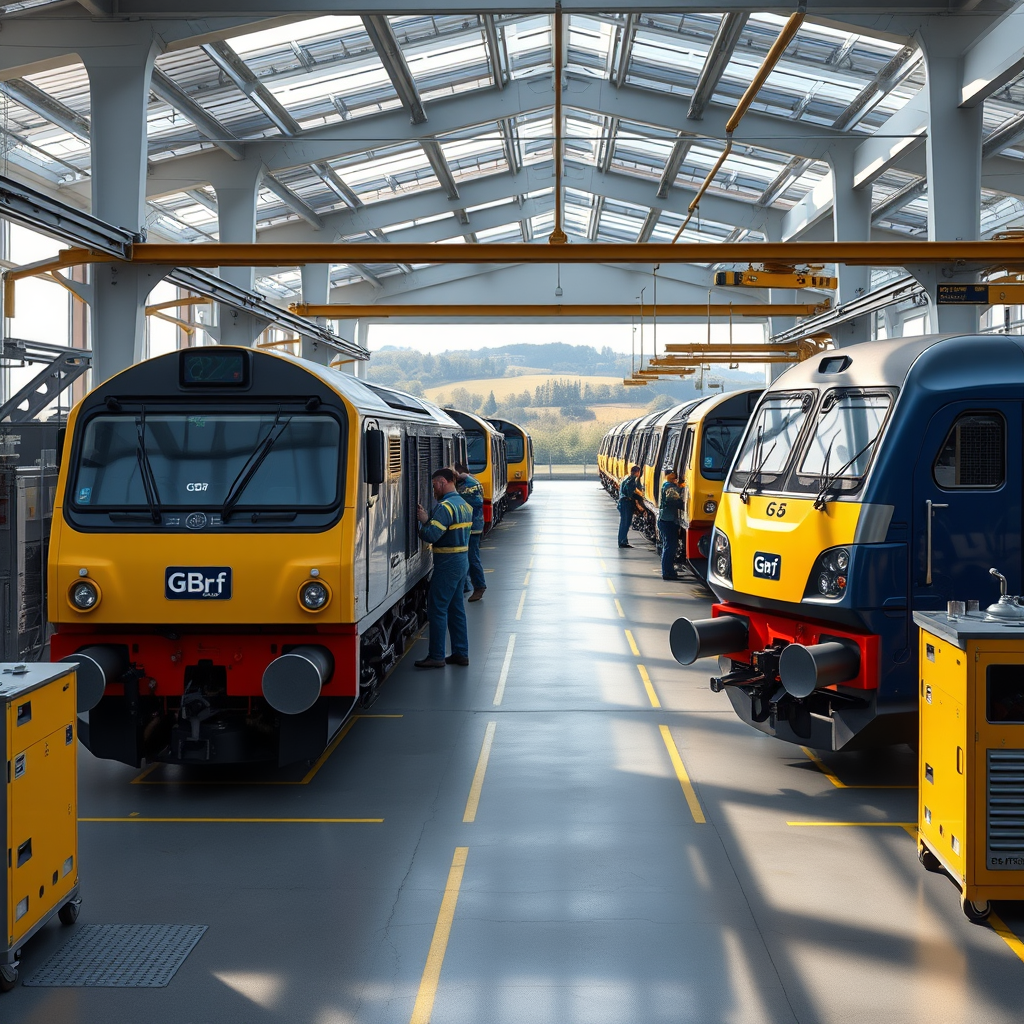
This article explores the significant impact of GB Railfreight’s (GBRf) recent investment in a new £2.5 million ($3.3 million) locomotive maintenance facility in Tonbridge, UK. This strategic move underscores the growing importance of efficient and sustainable rail freight operations within the UK’s broader transportation network. The establishment of this facility represents more than just a capital expenditure; it symbolizes GBRf’s commitment to operational excellence, environmental responsibility, and its vital role in supporting the UK government’s ambitious target of a 75% increase in rail freight by 2050. The analysis will delve into the operational improvements, environmental benefits, and broader implications of this investment for the UK rail freight industry, examining its effects on locomotive maintenance, rail head treatment services for Network Rail, and the overall drive towards a more efficient and sustainable railway system.
Enhanced Locomotive Maintenance and Operational Efficiency
The new Tonbridge facility significantly enhances GBRf’s locomotive maintenance capabilities. Previously, locomotives (Classes 73, 69, and 66) required transportation to existing facilities in Doncaster and Peterborough, resulting in increased travel time, fuel consumption, and associated carbon emissions. The strategically located Tonbridge facility reduces these transport distances, streamlining the maintenance process and directly contributing to GBRf’s sustainability goals. The facility’s collaboration with service partners such as EMD, Wabtec, and St Leonard’s Railway Engineering ensures access to specialized expertise and resources, optimizing repair times and overall operational efficiency. This improved maintenance regime translates to increased locomotive availability, reducing delays and improving the reliability of GBRf’s freight services.
Reduced Carbon Footprint and Environmental Sustainability
The environmental benefits of the Tonbridge facility are substantial. By centralizing maintenance closer to operational areas, GBRf significantly reduces the carbon footprint associated with transporting locomotives long distances. This aligns with GBRf’s broader commitment to environmental sustainability and supports the UK’s national decarbonization objectives. The reduction in fuel consumption and associated emissions is a direct and measurable outcome, contributing to cleaner air and a reduced environmental impact. This initiative showcases the importance of strategic infrastructure investment in achieving meaningful reductions in greenhouse gas emissions within the rail freight sector.
Improved Rail Head Treatment and Passenger Services
Beyond locomotive maintenance, the Tonbridge facility plays a crucial role in supporting Network Rail’s rail head treatment services. GBRf performs essential track maintenance, including the removal of fallen leaves, snow, and ice, which are critical for maintaining safe and reliable passenger services, especially during autumn and winter months. The facility’s location in a key area for Network Rail’s operations in the South East ensures timely and efficient service delivery, minimizing disruption to passenger journeys. This synergistic relationship between freight and passenger operations highlights the interconnectedness of the rail network and the mutual benefits of strategic collaboration.
Supporting UK Rail Freight Growth Ambitions
The opening of the Tonbridge facility is a key step in supporting the UK government’s ambitious target of a 75% increase in rail freight by 2050. By improving operational efficiency, reducing costs, and enhancing environmental performance, GBRf is actively contributing to the growth and competitiveness of the rail freight sector. This investment demonstrates a commitment to investing in infrastructure and technology to meet future demands, fostering a more sustainable and resilient rail freight network. This expansion contributes to the overall aim of shifting freight traffic from road to rail, reducing congestion and improving the country’s overall transport infrastructure.
Conclusions
The establishment of GB Railfreight’s new maintenance facility in Tonbridge marks a significant milestone for the UK rail freight industry. This £2.5 million investment represents a strategic commitment to enhancing operational efficiency, reducing environmental impact, and supporting the national goal of significantly increasing rail freight volume by 2050. The facility’s impact extends beyond locomotive maintenance, encompassing vital rail head treatment services for Network Rail, which directly benefits passenger services. By reducing the transportation distances for locomotives and centralizing maintenance operations, GBRf has demonstrated a clear commitment to sustainability, directly minimizing fuel consumption and related emissions. The collaboration with key service partners, such as EMD, Wabtec, and St Leonard’s Railway Engineering, further strengthens operational capabilities and ensures that the facility serves as a model for efficient and environmentally conscious railway practices. The success of this initiative underscores the vital role of strategic investment in modernizing rail infrastructure and enhancing the overall competitiveness and sustainability of the UK’s rail freight sector. The Tonbridge facility serves as a compelling example of how forward-thinking infrastructure development can drive improvements in operational efficiency, environmental performance, and ultimately, the broader success of the UK’s railway network. This model should be considered a benchmark for future infrastructure projects aiming to balance economic viability with environmental sustainability and operational excellence within the railway industry.

Railway infrastructure, rolling stock and transport technologies specialist focused on global rail industry developments, high-speed rail systems, signaling technologies and freight transportation. Covering railway investments, public transport modernization, rail operations and international mobility projects across Europe, Asia and North America.
RELATED POSTS

October 1, 2026 7:09 am
United States regulators confirmed a September 30 deadline for the...

October 4, 2026 5:14 pm
Alstom secured a CA$4.7 billion order from VIA Rail Canada...
October 1, 2026 10:14 am
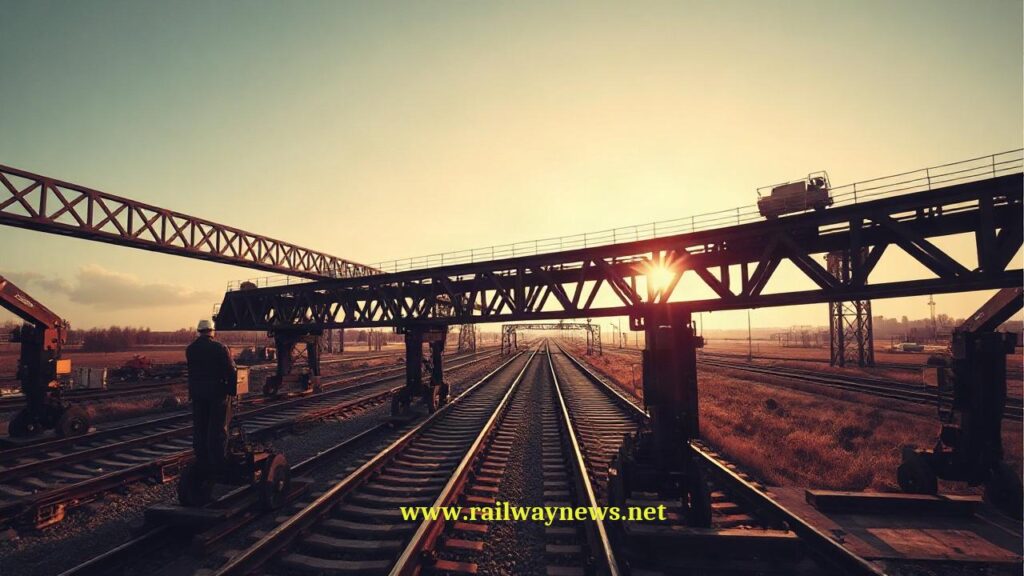
HS2 installed a 55-metre steel span in Birmingham, completing phase...

October 1, 2026 11:14 pm
CATS confirmed a six-mile streetcar route in Charlotte to add...
October 1, 2026 1:12 pm
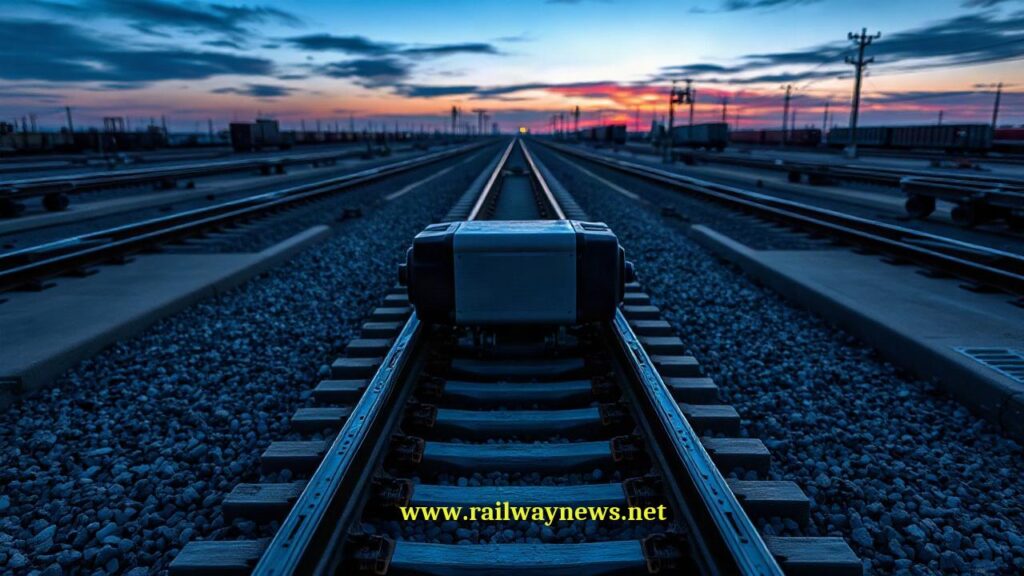
CSX expanded Queensgate Yard in Cincinnati by installing 42 power...
October 1, 2026 11:13 am
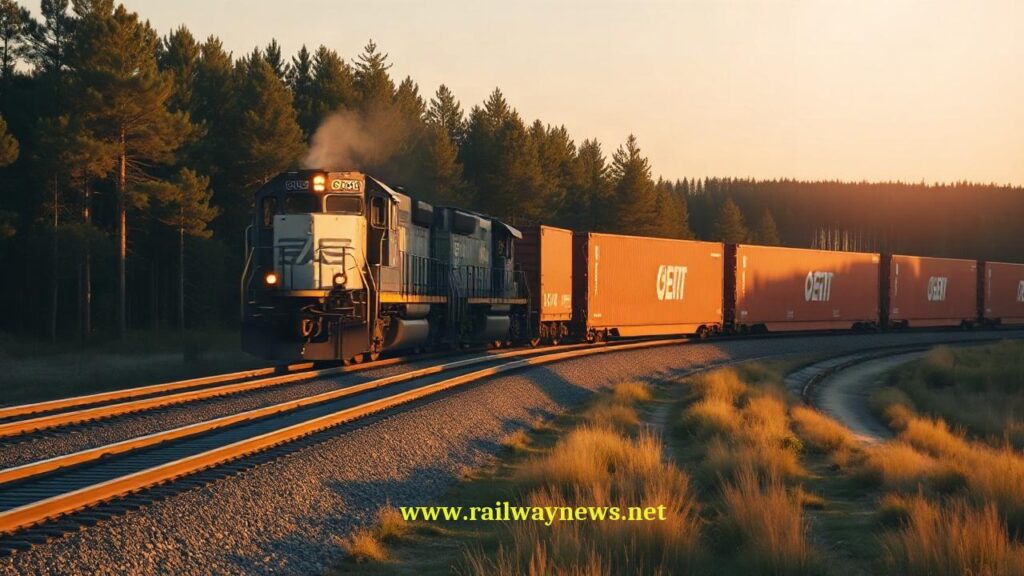
Norfolk Southern expanded its 3B Corridor in Alabama in 2025,...