
Peterborough Station: £48M Upgrade & Regeneration
The £48 million investment by Network Rail in Peterborough Station Quarter regeneration project aims to transform the station and surrounding area into an integrated transport hub that enhances passenger experience, stimulates economic growth, and promotes sustainable urban development.
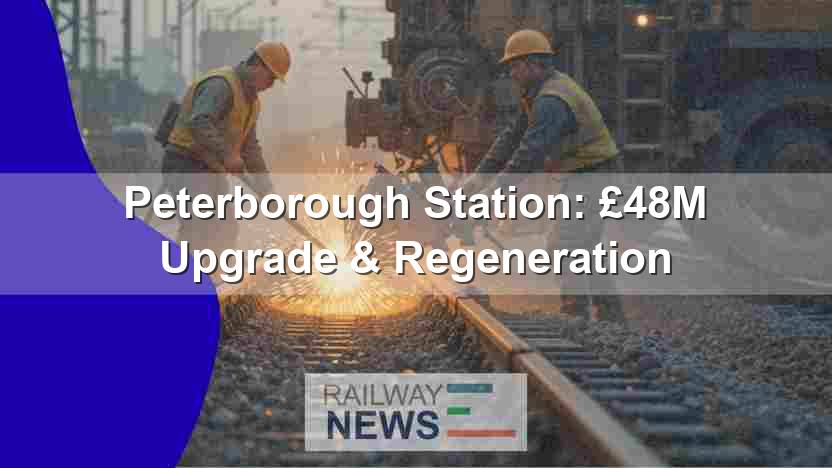
This article explores the significant £48 million investment by Network Rail (NR) in the Peterborough Station Quarter regeneration project. This substantial funding, secured through a successful Levelling Up Fund (LUF) bid, marks a crucial step in transforming Peterborough’s railway station and its surrounding area. The project aims to not only improve the passenger experience but also stimulate economic growth and enhance the city’s overall sustainability. The planned enhancements demonstrate a commitment to integrated transport planning, combining improved rail infrastructure with better pedestrian and cycling access, and the creation of green spaces. The project’s impact extends beyond immediate improvements to the station, promising to revitalize the city center and contribute significantly to the wider regional economy. This analysis will delve into the project’s scope, anticipated benefits, funding mechanisms, and wider implications for urban regeneration and sustainable transportation.
Revitalizing Peterborough Station: A New Western Entrance and Enhanced Accessibility
The core of the Peterborough Station Quarter regeneration project centers on the creation of a completely new western entrance to the station. This addition will alleviate congestion at the existing entrance, significantly improving passenger flow during peak hours and enhancing overall accessibility. The project also incorporates a new car parking facility strategically located to reduce traffic congestion in the city center. Additionally, the plan includes dedicated cycling infrastructure, promoting a shift towards sustainable modes of transport and improving pedestrian safety and connectivity within the surrounding area. This integrated approach to transport planning exemplifies a modern, holistic perspective on urban development.
Green Infrastructure and Community Spaces: Fostering Sustainability and Social Cohesion
Beyond the immediate transport improvements, the Peterborough Station Quarter project prioritizes the development of green spaces and community areas. This commitment to biodiversity and environmental sustainability is a crucial aspect of the regeneration plan, aiming to create a more pleasant and welcoming environment for residents and visitors alike. The incorporation of green infrastructure not only enhances the aesthetic appeal of the area but also contributes to the city’s overall environmental sustainability, mitigating the effects of urban sprawl and promoting a greener transportation network. These community spaces are intended to foster social interaction and a sense of community belonging, strengthening the social fabric of the city.
Funding and Economic Impact: Leveraging Public and Private Investment
The £48 million investment from Network Rail, secured through the LUF, serves as a catalyst for further investment in the Peterborough Station Quarter project. This “ring-fenced” funding is specifically allocated to the project’s defined scope. The expectation is that additional funding, potentially reaching a total of £65 million through contributions from Peterborough City Council and other partners, will be secured. This injection of public funds is strategically designed to stimulate significant private investment in commercial and residential development in subsequent phases of the project. This phased approach leverages public funding to attract private sector participation, maximizing the overall economic impact of the regeneration initiative.
Conclusions: A Vision for Sustainable Urban Regeneration
The Peterborough Station Quarter regeneration project represents a significant investment in the future of Peterborough, demonstrating a commitment to integrated transport planning, sustainable urban development, and community engagement. The £48 million investment from Network Rail, secured through the Levelling Up Fund, is a crucial first step in transforming the city’s railway station and its surrounding area. The creation of a new western entrance, enhanced accessibility features for pedestrians and cyclists, and the incorporation of green spaces and community areas are all integral components of a holistic approach to urban regeneration. The strategic use of public funding to leverage private sector investment promises to deliver significant economic benefits, stimulating growth and enhancing the overall quality of life for residents. The success of this project will not only improve the passenger experience but also serve as a model for sustainable urban development in other communities facing similar challenges. The integration of transport improvements with community development initiatives showcases a forward-thinking approach, demonstrating the potential for synergistic partnerships between public and private sectors in creating vibrant and sustainable urban environments. The project’s long-term impact will extend beyond economic growth, encompassing social cohesion, environmental sustainability, and improved accessibility for all. This model of integrated urban regeneration offers a valuable blueprint for other cities seeking to revitalize their transportation infrastructure and surrounding areas while simultaneously fostering sustainable growth and community engagement.

Railway infrastructure, rolling stock and transport technologies specialist focused on global rail industry developments, high-speed rail systems, signaling technologies and freight transportation. Covering railway investments, public transport modernization, rail operations and international mobility projects across Europe, Asia and North America.
RELATED POSTS

September 5, 2026 4:19 pm
CPK launched formal tender talks with four consortia to design...

September 5, 2026 7:14 pm
HS2 Ltd signed renegotiated civils contracts with EKFB and Align...

September 6, 2026 4:12 am
Alstom delivered the first of 100 new G Class trams...
September 6, 2026 8:17 am
DB InfraGO reopened the Nuremberg-Regensburg line in Bavaria on 31...
September 5, 2026 6:17 pm
Universal Signalling won a deal to install its U-Cross system...
September 6, 2026 12:20 pm
Indian Railways ordered a probe after a fire destroyed 2...