
Atkins Designs Dublin’s MetroLink: Advance Works
This article discusses how Atkins, part of the SNC Lavalin Group, was awarded a significant design contract for Ireland’s MetroLink Project, focusing on their responsibilities and importance as they prepare preliminary works that are essential for successful main construction.
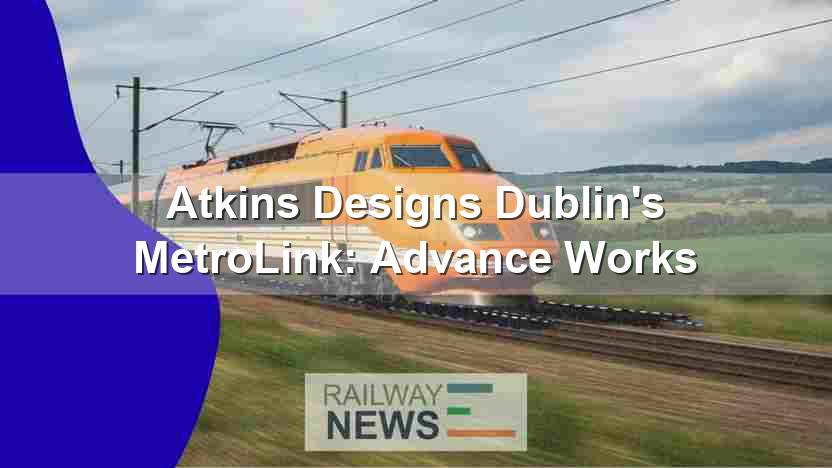
This article explores the significant design contract awarded to Atkins, a member of the SNC Lavalin Group, for the crucial MetroLink Project in Ireland. This project represents a substantial investment in Ireland’s public transportation infrastructure, aiming to revolutionize connectivity within the Greater Dublin Area. The contract encompasses the detailed design of Advance Works, a critical preliminary phase essential for the successful execution of the main construction works. We will explore the scope of Atkins’ responsibilities, the importance of Advance Works in large-scale rail projects, the broader context of the MetroLink project within Ireland’s National Development Plan, and the anticipated impact of this modern, high-capacity transit system on Dublin’s commuters and overall urban landscape. The analysis will highlight the complexities involved in such an undertaking, examining the technical challenges and strategic planning needed to deliver this ambitious project on time and within budget. The implications for sustainable urban development and the long-term benefits for the region will also be considered.
Atkins’ Role in MetroLink’s Advance Works Programme
Atkins has been tasked with delivering the detailed design for the MetroLink Project’s Advance Works programme. This phase, often overlooked but critical to the overall project success, involves a series of preparatory activities that pave the way for the main construction. These Advance Works encompass several key elements: utility diversions (relocating underground utilities like water pipes, gas lines, and electrical cables to avoid disruption during main construction), archaeological and heritage works (mitigating potential impacts on historical sites and artifacts), facilitating land access (securing necessary land rights and access points), and environmental monitoring (implementing measures to minimize environmental impact). The meticulous planning and execution of these Advance Works are paramount to ensuring the timely and efficient execution of the subsequent main infrastructure works. The seamless coordination of multiple stakeholders, including utility providers, archaeologists, and environmental agencies, is crucial to the success of this phase. Atkins’ expertise in managing complex infrastructure projects makes them ideally suited to lead this crucial initial stage.
The Significance of Advance Works in Major Rail Projects
Advance Works represent a crucial, often underestimated phase in large-scale infrastructure projects like MetroLink. Their importance lies in mitigating risks and ensuring the efficient rollout of the main construction. Delays or complications during Advance Works can have cascading effects, significantly impacting the project timeline and budget. Proper planning and execution of utility diversions prevent costly delays caused by unexpected utility encounters during excavation. Thorough archaeological surveys minimize the risks of uncovering historically significant sites that could halt construction. Securing land access eliminates potential legal challenges or delays. Environmental monitoring ensures compliance with regulations and minimizes potential environmental damage. Atkins’ expertise in this area is critical to mitigate these risks and ensure a smooth transition to the main construction phase. The proactive approach embedded in the Advance Works strategy minimizes unforeseen disruptions and facilitates the overall project’s efficient completion.
MetroLink: A Cornerstone of Ireland’s National Development Plan
MetroLink is not just a transport project; it is a strategic initiative firmly embedded within Ireland’s National Development Plan. As a first-of-its-kind underground rapid transit system for Ireland, it signifies a considerable investment in the country’s infrastructure and its commitment to sustainable urban development. The 18.8km route, largely underground, will connect key areas of the Greater Dublin Area, including Dublin Airport and the city center, effectively improving interconnectivity and easing congestion. This high-capacity, high-frequency system is projected to carry up to 53 million passengers annually, significantly reducing reliance on private vehicles and promoting sustainable transportation choices. The positive ripple effects on economic development, job creation, and improved quality of life for Dublin residents underscore its importance within the broader national development strategy. The project’s success is vital to achieving the goals outlined in the National Development Plan related to public transportation infrastructure development.
Conclusion
The award of the MetroLink Advance Works design contract to Atkins marks a significant step forward in the realization of this transformative project for Dublin. Atkins’ expertise in managing complex infrastructure projects, coupled with its experience in rail systems and Advance Works planning, will be critical to the project’s success. The Advance Works phase itself is of paramount importance, serving as a crucial foundation for the main construction. The meticulous planning and execution of utility diversions, archaeological investigations, land access facilitation, and environmental monitoring are essential to prevent delays and cost overruns, which are common challenges in large-scale rail projects. MetroLink, a flagship project within Ireland’s National Development Plan, holds considerable significance for the future of Dublin. It promises a significant improvement in public transportation, easing congestion, reducing reliance on private vehicles, and promoting sustainable urban development. The anticipated increase in passenger numbers (up to 53 million annually) underscores the project’s potential to reshape the city’s transportation landscape. The successful completion of MetroLink will not only enhance the quality of life for Dublin residents but also serve as a model for future rail projects in Ireland and beyond, showcasing best practices in planning, design, and implementation. The project’s long-term benefits extend to economic growth, job creation, and a more sustainable and efficient transportation system for the entire region. The focus on sustainable transportation aligns perfectly with global efforts to curb carbon emissions and encourage the adoption of environmentally friendly transportation options within urban centers.

Railway infrastructure, rolling stock and transport technologies specialist focused on global rail industry developments, high-speed rail systems, signaling technologies and freight transportation. Covering railway investments, public transport modernization, rail operations and international mobility projects across Europe, Asia and North America.
RELATED POSTS

September 5, 2026 4:19 pm
CPK launched formal tender talks with four consortia to design...

September 5, 2026 7:14 pm
HS2 Ltd signed renegotiated civils contracts with EKFB and Align...

September 6, 2026 4:12 am
Alstom delivered the first of 100 new G Class trams...
September 6, 2026 8:17 am
DB InfraGO reopened the Nuremberg-Regensburg line in Bavaria on 31...
September 5, 2026 6:17 pm
Universal Signalling won a deal to install its U-Cross system...
September 6, 2026 12:20 pm
Indian Railways ordered a probe after a fire destroyed 2...