
GTR’s Class 717: ETCS Level 2 Success
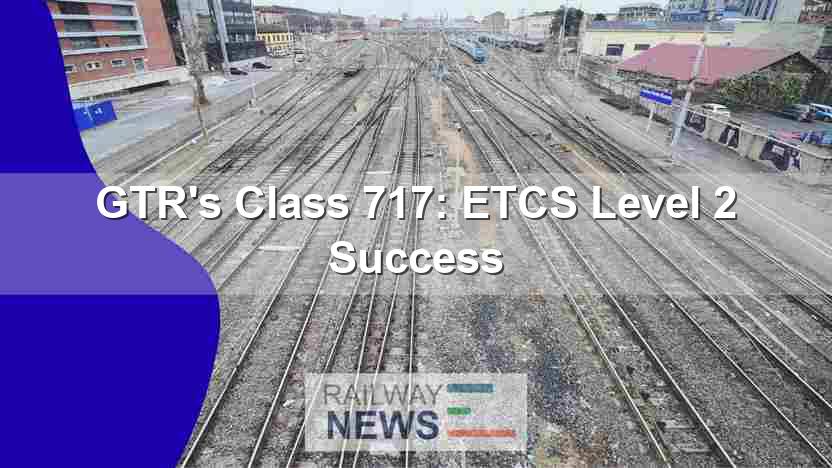
The successful authorization by the Office of Rail and Road for GTR to operate its Class 717 fleet using ETCS Level 2 digital signaling marks a pivotal step forward in modernizing railway infrastructure, enhancing operational reliability, increasing line capacity, and providing a more sustainable and efficient rail network.
Introduction
The transition to digital signaling systems in railway operations represents a significant advancement in safety, efficiency, and capacity. This article explores the pivotal achievement of Govia Thameslink Railway (GTR) in securing approval to operate its Class 717 fleet using Level 2 European Train Control System (ETCS) digital signaling. This accomplishment marks a crucial step in the implementation of the East Coast Digital Programme (ECDP), a UK government initiative aimed at modernizing railway infrastructure. The integration of ETCS, a sophisticated in-cab signaling technology, promises to revolutionize train control, enhancing operational reliability, increasing line capacity, and ultimately providing a more sustainable and efficient railway network. We will delve into the technical aspects of ETCS Level 2 implementation, the operational implications for GTR, and the broader significance of this milestone within the context of the ongoing ECDP.
ETCS Level 2 Implementation on the Class 717 Fleet
The successful authorization by the Office of Rail and Road (ORR) for GTR to operate its Class 717 trains using ETCS Level 2 signifies a major technological leap. ETCS Level 2, unlike conventional trackside signaling, transmits speed and location data directly to the train’s onboard system. This eliminates the need for numerous trackside signals, simplifying infrastructure maintenance, and significantly improving operational flexibility. The implementation involved extensive testing and validation, ensuring seamless integration with existing systems. This includes rigorous testing of the Class 717’s compatibility with the ETCS system, driver training programs to familiarize crews with the new technology, and collaboration with Network Rail to ensure the trackside ETCS infrastructure is ready for operation. This phased approach is vital for minimizing disruptions and maximizing the safety of passengers and staff.
Operational Implications for GTR and the East Coast Main Line
The introduction of ETCS Level 2 on the Class 717 fleet will have profound operational implications for GTR. The system allows for greater train density and more efficient scheduling, leading to increased capacity on both the Northern City Line (between Finsbury Park and Moorgate) and the East Coast Main Line (between London and Grantham). These lines are key arteries of the UK’s rail network, and improvements in efficiency will have a ripple effect throughout the system. The overlay of ETCS on the existing traditional signaling system during the transition period demonstrates careful planning, allowing for a smoother introduction of the new technology while providing a backup system. This staged approach minimizes disruption to the existing schedule while enabling detailed testing and driver familiarization.
The Broader Significance of the ECDP
GTR’s achievement is a significant milestone within the broader context of the ECDP. This government-funded program aims to completely transform the signaling infrastructure on a substantial portion of the UK’s rail network. The successful deployment of ETCS Level 2 on the Class 717 fleet provides valuable real-world experience and data, which will inform the wider rollout of digital signaling across the country. The collaborative efforts between GTR, Network Rail, and other industry partners showcase the importance of coordinated planning and expertise sharing for successful large-scale infrastructure projects. Data collected from this implementation will contribute significantly to refining best practices for future ETCS deployments.
Driver Training and Future Prospects
Training 250 Great Northern drivers to operate under the new ETCS system is a crucial element of the project’s success. The phased approach to training, allowing for continued operation with both trained and untrained drivers, ensures a smooth transition with minimal operational disruption. This phased rollout, combined with the overlay system, greatly reduces the risk of operational failure, prioritizing safety and efficiency. The successful completion of this phase emphasizes the importance of robust driver training programs in the successful implementation of new signalling technologies.
Conclusions
The successful authorization for GTR to operate its Class 717 fleet using ETCS Level 2 digital signalling marks a significant achievement in the UK’s railway modernization efforts. This milestone, within the framework of the ECDP, showcases the successful integration of advanced signaling technology, enhancing operational efficiency and safety. The phased implementation, including the parallel use of traditional signaling, demonstrates a considered approach to minimizing disruption and ensuring safety during the transition. The project highlights the critical role of collaboration between train operators, infrastructure providers (like Network Rail), and regulatory bodies (like the ORR). The detailed driver training program underscores the importance of human factors in technology adoption and ensures a smooth transition for rail operations. The data gathered from this deployment will be invaluable for future large-scale ETCS implementations across the UK rail network. This successful pilot project, coupled with continued collaboration and refinement, paves the way for a wider adoption of ETCS and the significant operational and safety benefits it offers, shaping the future of railway signaling in the UK and beyond. The future of railway operations promises increased efficiency, enhanced safety, and a more sustainable transportation system through the successful implementation of advanced technologies such as ETCS.

Railway infrastructure, rolling stock and transport technologies specialist focused on global rail industry developments, high-speed rail systems, signaling technologies and freight transportation. Covering railway investments, public transport modernization, rail operations and international mobility projects across Europe, Asia and North America.
RELATED POSTS

September 5, 2026 4:19 pm
CPK launched formal tender talks with four consortia to design...

September 5, 2026 7:14 pm
HS2 Ltd signed renegotiated civils contracts with EKFB and Align...

September 6, 2026 4:12 am
Alstom delivered the first of 100 new G Class trams...
September 5, 2026 6:17 pm
Universal Signalling won a deal to install its U-Cross system...
September 6, 2026 8:17 am
DB InfraGO reopened the Nuremberg-Regensburg line in Bavaria on 31...
September 7, 2026 11:16 pm
China Railway Tunnel Group completed the 11.3-km underwater Yangtze tunnel...