
Ghana’s Tema-Mpakadan Railway: Economic Growth Engine
The Tema-Mpakadan railway line in Ghana marks a significant infrastructure milestone, enhancing logistics and trade efficiency while showcasing modern technological advancements to boost economic competitiveness through improved connectivity and sustainability.
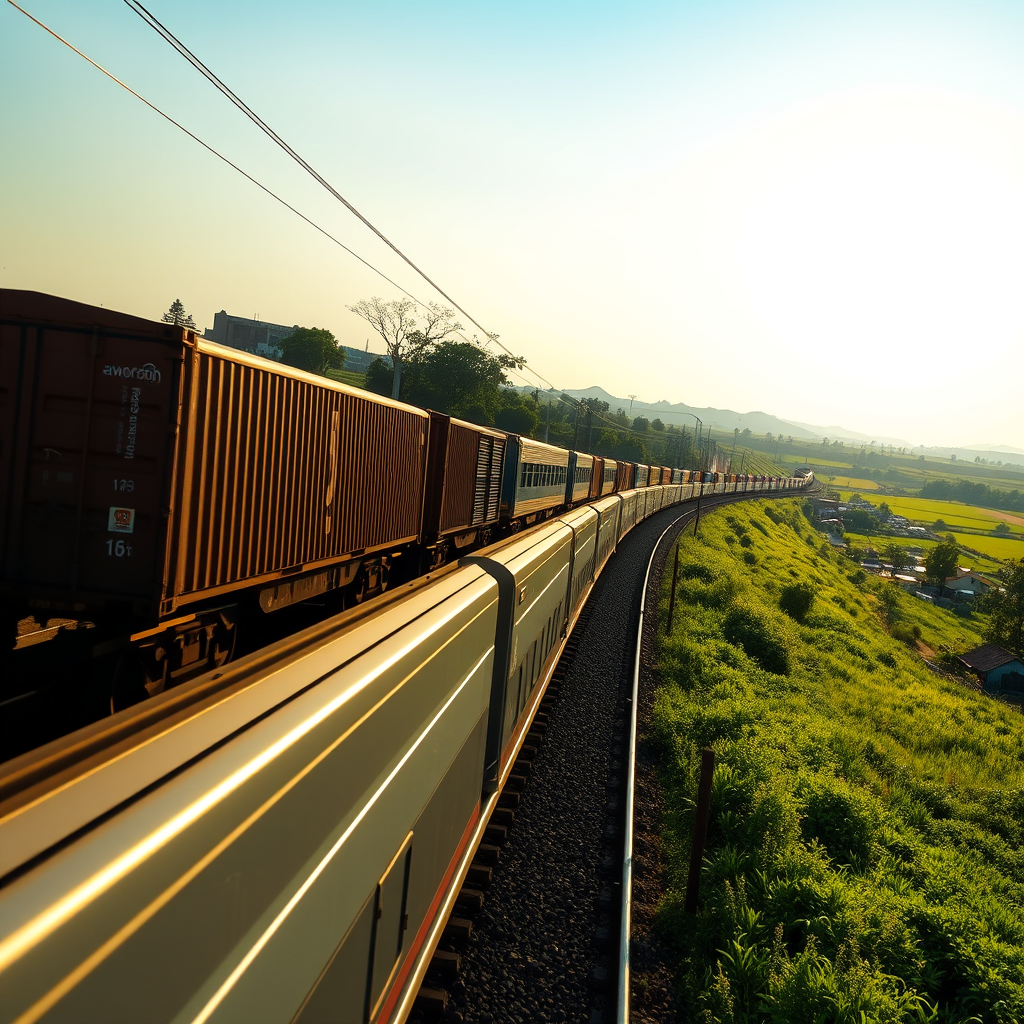
The recent inauguration of the Tema-Mpakadan railway line in Ghana marks a significant milestone in the nation’s infrastructure development and its broader economic strategy. This 97km standard gauge railway (SGR) line, connecting the bustling port city of Tema to Mpakadan in the Eastern Region, represents a substantial investment – a $447 million credit facility from the Export-Import Bank of India (Exim Bank). This article will delve into the significance of this project, examining its impact on Ghana’s logistics, trade, and regional integration, while also exploring the technological advancements and environmental considerations incorporated into its design and implementation. The project’s success offers valuable lessons for other developing nations seeking to improve their transport infrastructure and stimulate economic growth. The analysis will also consider the future expansion plans and their potential effects on Ghana’s overall economic development.
The Tema-Mpakadan Railway: A Catalyst for Economic Growth
The completion of the Tema-Mpakadan railway line is more than just a transportation upgrade; it’s a strategic move to enhance Ghana’s competitiveness in regional and international trade. By providing a more efficient and cost-effective mode of transporting goods, particularly bulk commodities like fuel, cement, and agricultural produce, the railway directly addresses long-standing challenges associated with road transport congestion and high transportation costs. The improved connectivity between Tema Port, a crucial gateway for Ghanaian trade, and the interior regions of the country, significantly streamlines the logistics chain, leading to faster delivery times and reduced operational expenses. This efficiency translates to lower prices for consumers and increased profitability for businesses, bolstering Ghana’s overall economic competitiveness.
Technological Advancements and Modern Infrastructure
The project showcases a commitment to modern railway technology. While specifics on the centralized train control system (CTC) are limited, the mention of its implementation suggests a move towards enhanced safety and operational efficiency. The use of electric locomotives is a vital element for environmental sustainability and long-term cost savings compared to diesel-powered counterparts. Additionally, the project’s execution by Afcons Infrastructure, with oversight from Team Engineering (Italy), highlights the involvement of experienced international firms, ensuring adherence to high engineering standards and best practices. This collaboration underscores the importance of leveraging international expertise to build robust and sustainable infrastructure.
Regional Integration and Pan-African Connectivity
The Tema-Mpakadan line is not an isolated project but a key component of a larger vision for regional integration. As part of the initial phase of the Ghana-Burkina Faso Railway Interconnectivity Project, it lays the foundation for future expansion to link Tema Port with Ouagadougou, the capital of Burkina Faso. This expansion will open up significant opportunities for landlocked Burkina Faso, enhancing its access to international markets and fostering economic cooperation between the two nations. The project exemplifies the potential of railway infrastructure to promote trade and development across borders, contributing to a more integrated and prosperous West African region.
Addressing Challenges and Future Expansion
While the inauguration signifies a significant achievement, challenges remain. Ongoing maintenance and operational efficiency will be crucial for the long-term success of the railway. The government’s ambitious plan to develop over 4,500km of railway track across Ghana requires careful planning, secure funding, and robust governance to ensure its successful implementation. Potential challenges include securing the necessary funding, managing environmental impacts, and addressing any potential displacement of communities affected by the railway’s construction. Addressing these challenges proactively is vital to maximizing the benefits of this major infrastructure investment.
Conclusion
The inauguration of the Tema-Mpakadan railway line represents a momentous step forward for Ghana’s economic development and regional integration. The project’s success hinges on several key factors: the efficient operation of the SGR, leveraging modern technologies like CTC and electric locomotives, and securing the funding and effective management for the ambitious future expansions. The project’s focus on environmental sustainability through electric locomotives demonstrates a forward-thinking approach. The successful completion of the project, coupled with its planned expansion to link with Burkina Faso, underlines the transformative potential of railway infrastructure in fostering economic growth, facilitating trade, and enhancing regional cooperation. However, sustained success requires proactive management of potential challenges, including ongoing maintenance, environmental considerations, and careful planning for future expansion. The project serves as a compelling case study for other developing nations seeking to invest in modern, efficient, and sustainable transportation systems to stimulate economic growth and regional integration. The success of this initiative holds significant implications for future infrastructure projects across Africa, emphasizing the importance of strategic planning, technological innovation, and regional collaboration in achieving sustainable development goals.

Railway infrastructure, rolling stock and transport technologies specialist focused on global rail industry developments, high-speed rail systems, signaling technologies and freight transportation. Covering railway investments, public transport modernization, rail operations and international mobility projects across Europe, Asia and North America.
RELATED POSTS

October 8, 2026 1:15 pm
Alstom secured a €1bn contract to build 13 automated trains,...

October 1, 2026 7:09 am
United States regulators confirmed a September 30 deadline for the...

October 8, 2026 12:18 pm
Siemens Mobility signed an agreement with VinSpeed to supply 350...

October 4, 2026 5:14 pm
Alstom secured a CA$4.7 billion order from VIA Rail Canada...

October 5, 2026 6:12 pm
AECOM and Jacobs secured a contract in September 2026 to...

October 4, 2026 11:08 pm
Sound Transit confirmed the September 30 opening of Seattle Pinehurst...