
India’s Rail Network Expansion: $1.05B Investment, Connectivity Boost
India’s ambitious rail network expansion is a strategic investment aimed at enhancing connectivity and logistics, contributing to economic growth and regional development through improved capacity and efficiency, with substantial benefits for both passengers and freight transport.
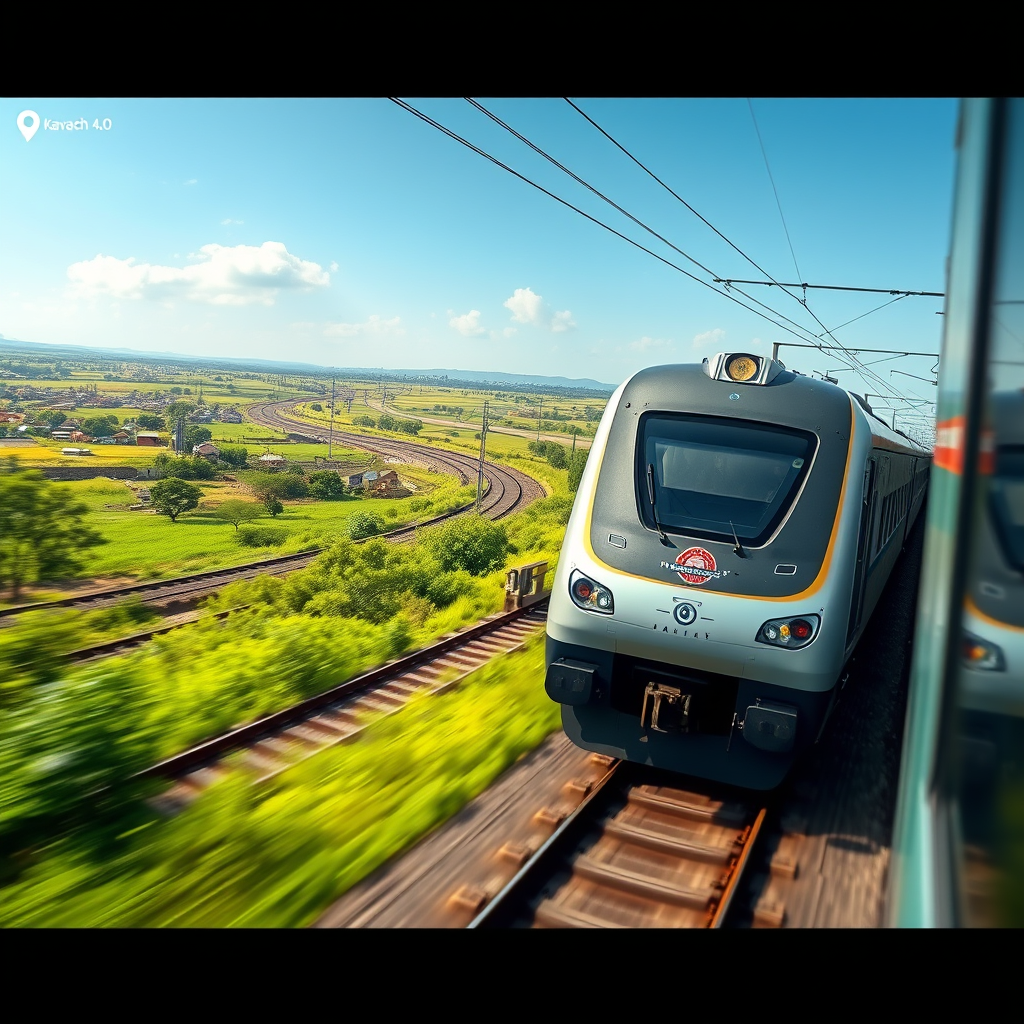
India’s Ambitious Rail Network Expansion: Enhancing Connectivity and Logistics
This article explores the significant expansion of India’s railway network, a crucial component of the nation’s economic growth strategy. The Indian government’s recent approval of three major rail projects totaling approximately $1.05 billion (Rs 79.27 billion) marks a substantial investment in infrastructure development. These projects, focusing on the construction of additional lines in North Maharashtra, Madhya Pradesh, and Uttar Pradesh, aim to dramatically improve connectivity, boost logistics efficiency, and contribute to India’s broader economic and environmental goals. The analysis will examine the strategic rationale behind these expansions, the anticipated economic benefits, the technological advancements incorporated, and their impact on passenger and freight transport, as well as the overall implications for India’s national development.
Strategic Network Enhancements: Expanding Capacity and Connectivity
The three key projects encompass the construction of a fourth line on the Jalgaon–Manmad section (160 km), third and fourth lines on the Bhusawal–Khandwa section (131 km), and a third line on the Prayagraj (Iradatganj)–Manikpur section (84 km). These additions are not merely incremental improvements; they represent a strategic expansion designed to alleviate existing bottlenecks and significantly increase capacity. The Jalgaon-Manmad line, for instance, will improve connectivity between Mumbai and the central regions of the country. The Bhusawal-Khandwa lines and the Prayagraj-Manikpur line will function as crucial feeder lines for the Eastern Dedicated Freight Corridor (DFC), facilitating the seamless flow of freight traffic. This integrated approach to infrastructure development ensures a synergistic effect, maximizing the benefits of each individual project.
Economic and Social Impacts: Stimulating Growth and Regional Development
Beyond the direct benefits of increased capacity, these rail projects are expected to generate significant economic and social impacts. Improved connectivity will reduce transportation times and costs for both passengers and freight, fostering economic activity in the regions served. The enhanced logistics efficiency will facilitate the movement of agricultural products, raw materials, and manufactured goods, boosting industrial output and trade. The projects are also anticipated to significantly boost tourism to religious and heritage sites, such as the Khajuraho UNESCO World Heritage Site and the Ajanta and Ellora Caves, generating revenue and creating employment opportunities.
Technological Advancements: Embracing Innovation for Enhanced Safety and Efficiency
The Indian Railways are not simply focusing on expanding capacity; they are simultaneously embracing technological advancements to enhance safety and operational efficiency. The deployment of Kavach 4.0, an indigenous train collision avoidance system, across 1600 km of track and planned for 10,000 locomotives, is a significant step towards modernizing the railway system. This technology will significantly reduce the risk of accidents, improve punctuality, and enhance overall operational reliability. The integration of such advanced technologies demonstrates a commitment to improving safety and efficiency and underscores the country’s commitment to technological advancement in the rail sector.
Environmental Sustainability and Future Outlook
The rail network expansion also contributes to India’s climate goals. By shifting freight traffic from roads to rail, the projects are estimated to reduce CO2 emissions by 2.7 million tonnes annually, significantly contributing to national environmental sustainability objectives. The success of initiatives like the Shetkari Samridhi Rail, dedicated to supporting farmers, further demonstrates a commitment to integrating social and economic development with infrastructural improvements. The completion of these projects within four years showcases a proactive and ambitious approach to national infrastructure development. The ongoing integration of advanced technologies like Kavach 4.0 underlines a commitment to safety, efficiency, and long-term sustainability in rail operations.
Conclusions
India’s substantial investment in railway infrastructure, exemplified by the recently approved $1.05 billion expansion project, signifies a proactive approach to national development. The three key projects – the Jalgaon–Manmad fourth line, the Bhusawal–Khandwa third and fourth lines, and the Prayagraj–Manikpur third line – will significantly enhance connectivity, logistics efficiency, and economic growth in North Maharashtra, Madhya Pradesh, and Uttar Pradesh. These projects will act as critical feeder lines for the Eastern Dedicated Freight Corridor (DFC), optimizing the national freight network. The economic benefits extend beyond increased capacity, encompassing reduced transportation costs, boosted tourism, and the creation of numerous employment opportunities. The integration of advanced technologies, such as Kavach 4.0, underscores a commitment to improving safety, efficiency, and environmental sustainability. The estimated reduction of 2.7 million tonnes of CO2 emissions annually highlights the positive environmental impact of shifting freight from roads to rail. The successful implementation of these projects, coupled with ongoing technological advancements, will solidify India’s position as a global leader in rail infrastructure and contribute significantly to the nation’s overall economic and social progress. The integration of modern technologies and strategic planning demonstrate a vision for a modernized, efficient, and sustainable Indian railway system that will continue to drive economic growth and improve the lives of citizens for years to come. The four-year timeline for project completion reflects an ambitious yet achievable goal, showcasing the country’s commitment to swift and effective implementation. The detailed nature of these projects, incorporating economic, social, and environmental considerations, exemplifies a holistic approach to national development.

Railway infrastructure, rolling stock and transport technologies specialist focused on global rail industry developments, high-speed rail systems, signaling technologies and freight transportation. Covering railway investments, public transport modernization, rail operations and international mobility projects across Europe, Asia and North America.
RELATED POSTS

October 8, 2026 1:15 pm
Alstom secured a €1bn contract to build 13 automated trains,...

October 1, 2026 7:09 am
United States regulators confirmed a September 30 deadline for the...

October 8, 2026 12:18 pm
Siemens Mobility signed an agreement with VinSpeed to supply 350...

October 4, 2026 5:14 pm
Alstom secured a CA$4.7 billion order from VIA Rail Canada...

October 5, 2026 6:12 pm
AECOM and Jacobs secured a contract in September 2026 to...

October 4, 2026 11:08 pm
Sound Transit confirmed the September 30 opening of Seattle Pinehurst...