
Wellington Rail: NZ$137M Substation Upgrade
The NZ$137.2 million investment in upgrading Wellington’s aging metro rail infrastructure, including substation modernization, is a strategic move to enhance reliability, efficiency, and resilience of the network, contributing to sustainable public transportation and reducing traffic congestion.
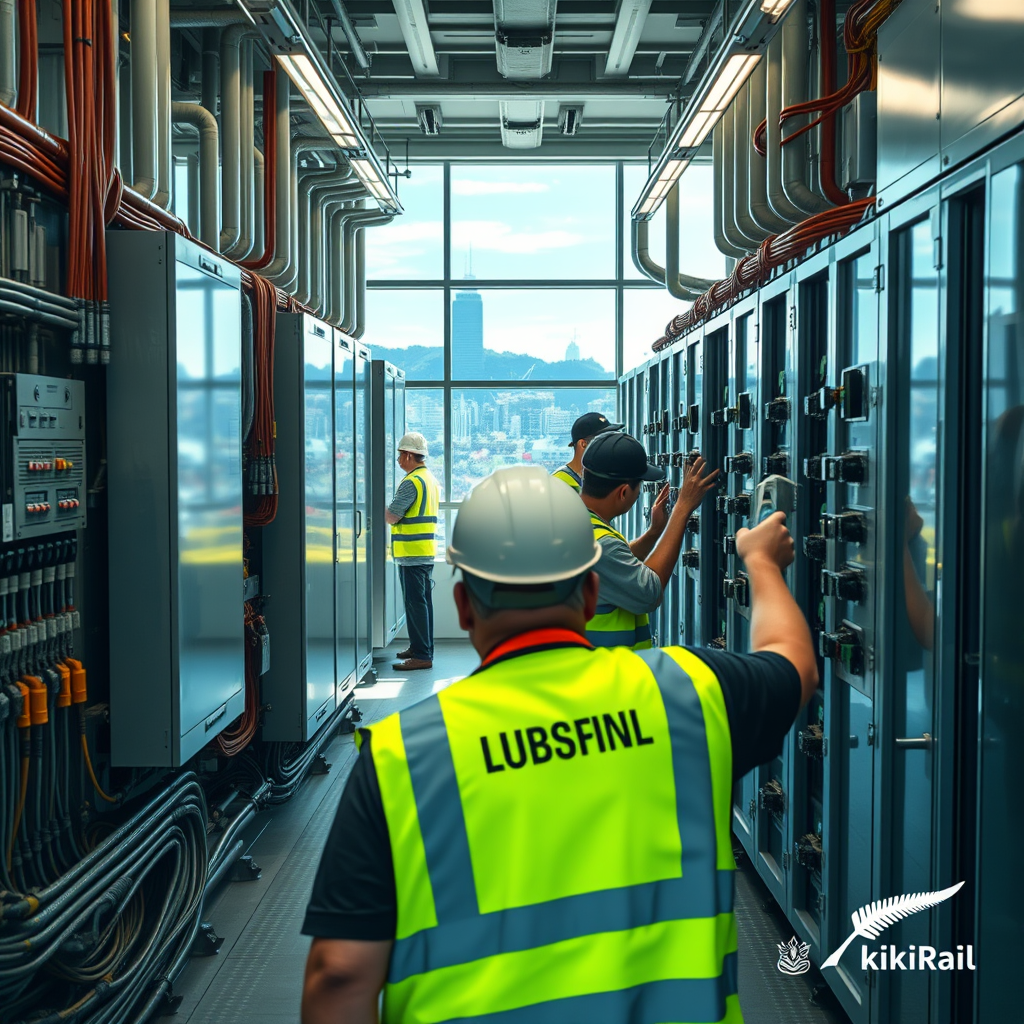
Modernizing Wellington’s Metro Rail Network: A Strategic Investment in Sustainable Transportation
This article explores the NZ$137.2 million (approximately US$80.29 million) investment by the New Zealand government in upgrading Wellington’s aging metro rail infrastructure. The focus is on the critical modernization of substations, many of which are nearing or exceeding 90 years of age. This substantial funding commitment is not merely a reactive measure to address aging equipment, but rather a proactive strategy designed to enhance the reliability, efficiency, and resilience of the Wellington rail network. The project encompasses significant substation upgrades, the addition of new substations, and aligns with broader initiatives to improve overall rail infrastructure in the region, contributing to a more robust and sustainable public transportation system. This investment represents a crucial step towards a future where public transport is a viable and attractive option for commuters, ultimately alleviating traffic congestion and supporting environmental sustainability. The subsequent sections delve into the specifics of this project, examining its scope, impact, and wider implications within the context of New Zealand’s transportation strategy.
Substation Upgrades: The Heart of the Modernization
The core of the Wellington rail upgrade focuses on the detailed refurbishment and expansion of the city’s substations (power conversion facilities). These substations, some dating back 60 to 90 years, are critical components of the rail system, responsible for converting high-voltage power to the voltage required by the trains. Their age contributes to inefficiencies and increased vulnerability to failures. The upgrades will not only enhance operational efficiency but also significantly improve the network’s resilience against severe weather events, such as storms, heavy rain, and high winds. This is achieved through the implementation of modern, weather-resistant equipment and improved protection systems. The modernization extends beyond mere repairs; it involves the adoption of cutting-edge technologies to optimize power distribution and minimize disruptions. Additionally, the addition of five new substations expands the network’s electrical capacity, providing the necessary power for increased train services and the integration of new rolling stock on the Wairarapa and Manawatū lines.
Enhanced Capacity and Service Frequency: Meeting Growing Demand
The upgrades are designed to address the increasing demand for rail services in Wellington. The expanded capacity, enabled by the substation improvements, allows for the introduction of more frequent train services. The goal is to achieve 15-minute intervals on existing routes, offering commuters a significantly more convenient and reliable public transport option. This increased service frequency is a vital component in attracting more commuters away from private vehicles, thereby reducing road congestion and lowering carbon emissions. The investment in new substations and improved power infrastructure directly supports this ambition by ensuring the network can handle the increased load and provide the consistent, reliable power needed for regular, frequent services.
Resilience to Severe Weather: Ensuring Service Continuity
New Zealand’s climate presents unique challenges to infrastructure, and the Wellington rail network is no exception. The government’s investment prioritizes enhancing the resilience of the system against severe weather events. This is not merely about mitigating disruptions; it’s about ensuring the continued provision of a vital public service even in the face of extreme weather conditions. The substation upgrades incorporate designs and technologies that are specifically engineered to withstand high winds, heavy rainfall, and other extreme weather phenomena. This emphasis on resilience is not only economically sensible, preventing costly service interruptions and repairs, but also essential for maintaining the reliability and dependability of public transport, reinforcing its role as a crucial lifeline for the community.
Conclusion: A Holistic Approach to Sustainable Rail Transport
The NZ$137.2 million investment in Wellington’s metro rail network represents a significant commitment to improving the city’s public transport infrastructure. The focus on substation upgrades is strategically crucial, addressing not only aging equipment but also laying the foundation for a more efficient, reliable, and resilient rail system. The project’s scope extends beyond mere maintenance; it’s a forward-looking initiative that supports increased service frequency, enhanced capacity, and improved resilience to severe weather. The addition of new substations and the increased power capacity are not only essential for accommodating the projected growth in commuter travel but also crucial for supporting the integration of new rolling stock on the Wairarapa and Manawatū lines. Additionally, this investment complements broader initiatives, such as the NZ$466 million allocated in Budget 2024 for wider rail infrastructure improvements throughout Wellington, solidifying the government’s commitment to the Lower North Island Rail Integrated Mobility (LNIRIM) project. The modernization efforts go beyond addressing immediate needs; they establish a solid foundation for future expansion and ensure that the Wellington rail network remains a viable and attractive option for commuters for years to come, ultimately contributing to a more sustainable and efficient transportation ecosystem for the region. This holistic approach to rail infrastructure development underlines the New Zealand government’s commitment to sustainable transportation and its recognition of the vital role of public transport in addressing challenges such as urban congestion and environmental sustainability. The success of this initiative will serve as a model for future rail upgrades throughout the country and potentially inspire similar modernization efforts in other urban centers globally.

Railway infrastructure, rolling stock and transport technologies specialist focused on global rail industry developments, high-speed rail systems, signaling technologies and freight transportation. Covering railway investments, public transport modernization, rail operations and international mobility projects across Europe, Asia and North America.
RELATED POSTS

September 5, 2026 4:19 pm
CPK launched formal tender talks with four consortia to design...

September 6, 2026 4:12 am
Alstom delivered the first of 100 new G Class trams...

September 5, 2026 7:14 pm
HS2 Ltd signed renegotiated civils contracts with EKFB and Align...
September 5, 2026 6:17 pm
Universal Signalling won a deal to install its U-Cross system...
September 6, 2026 8:17 am
DB InfraGO reopened the Nuremberg-Regensburg line in Bavaria on 31...
September 7, 2026 11:16 pm
China Railway Tunnel Group completed the 11.3-km underwater Yangtze tunnel...