
Ho Chi Minh City Metro: Hitachi’s Turnkey Rail Success
Hitachi Rail successfully implemented a turnkey solution for Ho Chi Minh City’s Line 1 metro project, showcasing the benefits of advanced signaling and telecommunications technologies in enhancing safety, operational efficiency, and passenger experience in urban transportation development.
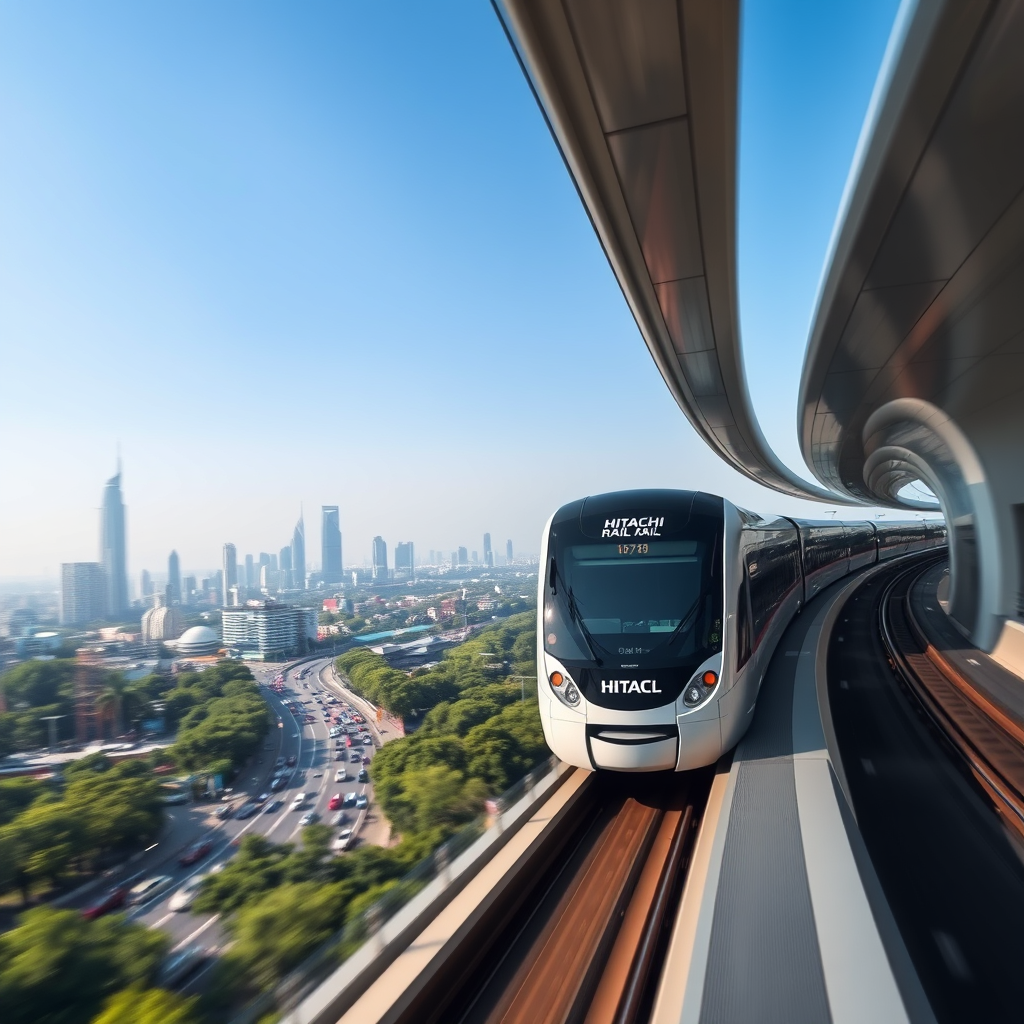
This article explores the successful implementation of Hitachi Rail’s turnkey solution for Ho Chi Minh City’s inaugural metro line, Line 1, highlighting the significance of this project within the context of urban transportation development and the broader advancements in railway signaling and telecommunication technologies. The project, funded by the Japan International Cooperation Agency (JICA), represents a substantial investment in alleviating traffic congestion within a rapidly growing metropolis. We will examine the key components of Hitachi’s contribution, including the provision of rolling stock (trains), the sophisticated communications-based train control (CBTC) system, and the integrated telecommunications infrastructure. Additionally, we will analyze the broader implications of this project, placing it within the context of Hitachi Rail’s global activities and the ongoing trends towards digitalization and enhanced efficiency within the railway industry. Finally, we will consider the future prospects for similar large-scale infrastructure projects in developing urban centers worldwide.
The Ho Chi Minh City Metro Line 1 Project: A Case Study in Turnkey Railway Solutions
Hitachi Rail’s detailed approach to the Ho Chi Minh City Line 1 project exemplifies the advantages of a turnkey solution. This strategy, encompassing all aspects of the electrical and mechanical systems, from train supply and signaling to power distribution and fare collection, ensures seamless integration and reduces project complexities. The 19.7km Line 1, featuring both underground and elevated sections, showcases the adaptability of Hitachi’s technology to diverse operational environments. The delivery encompassed 17 train sets (51 cars), a crucial element in providing adequate capacity for anticipated passenger demand. The provision of a state-of-the-art CBTC (Communications-Based Train Control) system is a pivotal component, enhancing safety and operational efficiency through precise train control and real-time monitoring.
Advanced Signaling and Telecommunications: Enhancing Safety and Efficiency
The implementation of the CBTC system is paramount to the success of Line 1. This advanced signaling technology allows for significantly shorter headways between trains, increasing the overall line capacity and reducing passenger waiting times. Moreover, the system’s sophisticated algorithms optimize train operations, leading to smoother rides and enhanced energy efficiency. The integrated wireless train radio system facilitates seamless communication between train operators, control centers, and maintenance personnel, ensuring effective response to any operational issues. This sophisticated communication infrastructure not only improves safety but also enhances the overall reliability of the railway system.
Beyond Ho Chi Minh City: Global Deployments and Technological Advancements
Hitachi Rail’s involvement in Line 1 demonstrates its commitment to delivering cutting-edge railway solutions globally. This project follows other significant deployments, including digital signaling and telecommunications upgrades on Turkey’s high-speed rail network. The improvements on routes linking Ankara to Istanbul and Sivas aim to enhance both speed and capacity, a testament to the scalability and adaptability of Hitachi’s technology. Additionally, recent contracts to deploy European Train Control System (ETCS) technology in Thailand underscore Hitachi Rail’s expanding presence and the growing demand for advanced signaling solutions worldwide. This highlights the railway industry’s increasing adoption of digital technologies to meet the rising challenges of urban transportation and intercity connectivity.
Future Implications and Conclusion
The successful completion of Ho Chi Minh City’s Line 1 project, facilitated by Hitachi Rail’s turnkey solution, offers valuable insights into future urban railway development. The project’s success showcases the efficiency and effectiveness of integrated systems approaches. The use of advanced CBTC signaling systems and wireless telecommunication networks demonstrates a clear trend towards digitalization within the railway industry. This trend, marked by enhanced safety features, increased capacity, and improved operational efficiency, is expected to continue globally. As cities worldwide grapple with growing populations and increasing traffic congestion, investments in robust and efficient public transport systems, like the one in Ho Chi Minh City, become increasingly crucial. The successful deployment of Hitachi’s turnkey solution in this project serves as a strong model for future urban rail projects globally, highlighting the importance of investing in technologically advanced, integrated systems to improve safety, efficiency, and overall passenger experience. The focus on technological advancements like CBTC and ETCS (European Train Control System) signals a broader shift towards optimizing railway operations, enhancing safety, and maximizing capacity to meet the demands of rapidly growing urban centers. This case study underscores the critical role that technological innovation plays in addressing the challenges of modern urban transportation.

Railway infrastructure, rolling stock and transport technologies specialist focused on global rail industry developments, high-speed rail systems, signaling technologies and freight transportation. Covering railway investments, public transport modernization, rail operations and international mobility projects across Europe, Asia and North America.
RELATED POSTS

October 8, 2026 1:15 pm
Alstom secured a €1bn contract to build 13 automated trains,...

October 1, 2026 7:09 am
United States regulators confirmed a September 30 deadline for the...

October 8, 2026 12:18 pm
Siemens Mobility signed an agreement with VinSpeed to supply 350...

October 4, 2026 5:14 pm
Alstom secured a CA$4.7 billion order from VIA Rail Canada...

October 5, 2026 6:12 pm
AECOM and Jacobs secured a contract in September 2026 to...

October 4, 2026 11:08 pm
Sound Transit confirmed the September 30 opening of Seattle Pinehurst...