
Urban Rail Future: Innovations, Challenges, & Bombardier Innovia
Urban rail is evolving rapidly. Discover how advanced tech, sustainable practices, and innovative train designs are revolutionizing the future of passenger transport.
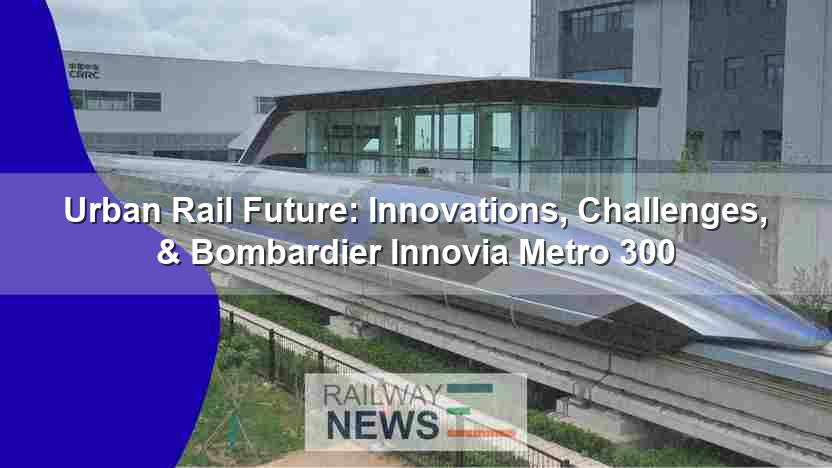
The world’s urban centers face escalating demands for efficient and sustainable transportation. Rail systems play a crucial role in meeting these challenges, and the evolution of these systems is driven by a complex interplay of technological advancements, economic considerations, and societal needs. This article explores the current trends reshaping urban rail, examining the key innovations, and evaluating the hurdles that need to be addressed for future success. From the integration of advanced technologies to the crucial factor of cost-effectiveness, the trajectory of urban rail transit is being redefined. Infrastructure upgrades, coupled with innovative train designs, are critical to maintaining and increasing efficiency, safety, and passenger comfort. The article also analyzes the challenges associated with these advancements, including regulatory frameworks, financial constraints, and environmental concerns. Understanding these complexities is essential for shaping a future where rail remains a viable and attractive option for urban commuters.
Technological Advancements in Urban Rail Systems
Modern urban rail systems are increasingly adopting advanced technologies to enhance efficiency, safety, and passenger experience. This includes the implementation of automated train operation (ATO) systems, allowing for reduced crew requirements and increased frequency, as well as integrated signaling and communication systems. Precision positioning technologies, such as GPS and inertial navigation, are improving the accuracy of train location and scheduling, leading to smoother service. Additionally, the use of real-time passenger information systems and digital ticketing platforms enhances the overall passenger experience. The incorporation of renewable energy sources, such as solar panels and battery storage systems, is further enhancing the sustainability of operations.
Economic Considerations and Sustainability in Urban Rail
The economic viability of urban rail projects is often a significant concern. The high upfront costs of infrastructure development, combined with the need for ongoing maintenance and upgrades, often necessitate long-term financial planning. Funding mechanisms, such as public-private partnerships (PPPs), are vital in supporting these large-scale investments. Sustainability considerations are also paramount, including minimizing environmental impact through energy efficiency measures. The adoption of electric propulsion and the utilization of sustainable materials for construction are crucial steps in this regard. The impact of the chosen technology on operational costs, lifecycle costs and passenger fares needs meticulous consideration.
The Role of Innovative Train Designs
The design of trains themselves is undergoing a transformation, with increased emphasis on passenger comfort, safety, and accessibility. Modern train designs feature wider aisles, more comfortable seating arrangements, improved accessibility features for passengers with disabilities, and enhanced safety systems. The incorporation of cutting-edge materials, such as lightweight composites, contributes to energy efficiency. Consideration is given to the specific needs of the target ridership, aiming for designs that maximize the passenger experience. The importance of aesthetics, particularly in urban environments, should be evaluated for maximum passenger appeal and integration with the surrounding urban design.
Conclusions: Shaping the Future of Urban Rail
The future of urban rail is characterized by a complex interplay of technological innovation, economic realities, and societal needs. Advanced technologies such as automated train operation (ATO) and integrated communication systems are transforming rail operations, enhancing safety, and improving the overall passenger experience. Cost-effectiveness remains a critical factor, necessitating careful planning and potential partnerships. The integration of renewable energy sources, while costly in the initial phases, is essential for sustainable operations. The role of innovative train designs, like the new generation of *Bombardier Innovia Metro 300 trains*, is crucial in meeting passenger expectations for comfort, safety, and accessibility. These advancements are driving a paradigm shift in urban transit, leading to greater efficiency, reduced environmental impact, and improved quality of life for urban dwellers.
Ultimately, success hinges on careful consideration of the specific needs of each urban context. Successful implementation of these technologies necessitates not only a strong understanding of technical capabilities but also a clear understanding of the local socio-economic conditions. Successful implementation demands robust regulatory frameworks, collaborative partnerships, and clear communication with stakeholders. The ongoing development of urban rail will, no doubt, continue to shape the very fabric of urban life in the years to come. The challenge is to effectively integrate these innovations while addressing existing challenges to ensure equitable access and affordability for all citizens.
You might be interested in:
Last February 2019, we published an article about Deutsche Bahn’s €10.7 billion rail network modernization. Click here to read – DB’s €10.7B Rail Upgrade: Modernizing German Tracks

Railway infrastructure, rolling stock and transport technologies specialist focused on global rail industry developments, high-speed rail systems, signaling technologies and freight transportation. Covering railway investments, public transport modernization, rail operations and international mobility projects across Europe, Asia and North America.
RELATED POSTS

October 1, 2026 7:09 am
United States regulators confirmed a September 30 deadline for the...

October 8, 2026 1:15 pm
Alstom secured a €1bn contract to build 13 automated trains,...

October 4, 2026 5:14 pm
Alstom secured a CA$4.7 billion order from VIA Rail Canada...

October 1, 2026 12:13 am
Illinois approved $1.5 billion annually for the Northern Illinois Transit...

October 6, 2026 2:14 am
Union Pacific launched export rail shipments with Ferromex to deliver...

October 1, 2026 6:10 am
Amtrak approved a System Expansion Committee on July 30 to...