
UK Rail Strike Resolution: A Turning Point?
The recent resolution of UK rail strikes, facilitated through negotiations between ASLEF and RMT unions and the Rail Delivery Group, marks a significant turning point in industrial relations by addressing key issues including pay increases that matched inflation, job security concerns over modernization plans, and work-life balance improvements. This agreement has alleviated disruptions to passenger services, reduced financial losses for rail operators, and improved public trust in the railway system, signaling a positive shift towards more stable and cooperative industrial relations in the UK’s rail
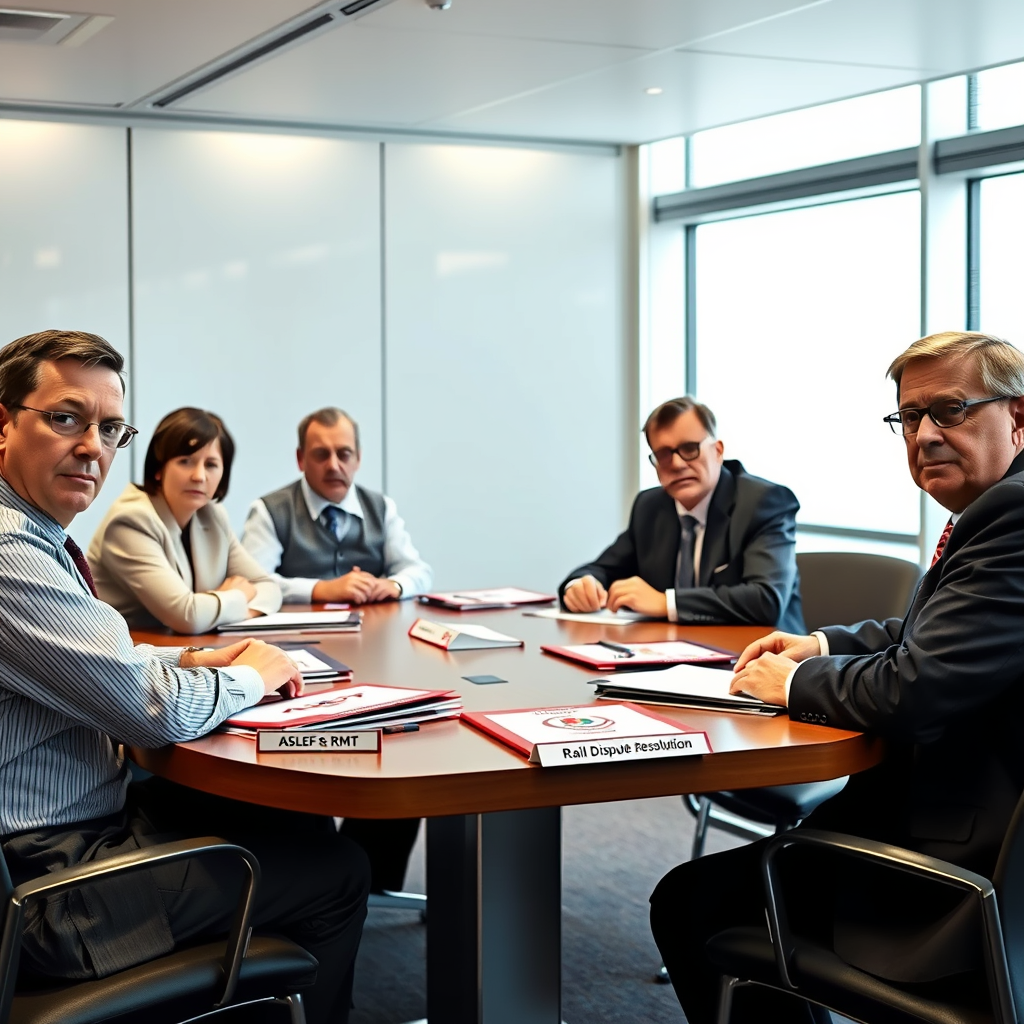
The Resolution of the UK Rail Strikes: A Turning Point in Industrial Relations
The United Kingdom’s railway system has faced significant disruption over the past two years due to a series of protracted strikes involving rail unions and operators. These industrial actions, stemming from disagreements over pay, working conditions, and proposed operational changes, have severely impacted passenger services, caused economic losses, and fueled public discontent. This article explores the recent breakthroughs in negotiations between the rail unions, primarily the ASLEF (Associated Society of Locomotive Engineers and Firemen) and the RMT (National Union of Rail, Maritime and Transport Workers), and the Rail Delivery Group (RDG), representing the rail operators. We will examine the key factors leading to the impasse, analyze the proposed solutions, and assess the potential long-term implications for the UK’s railway industry and industrial relations landscape.
The Genesis of the Dispute
The disputes originated in 2022 when negotiations between the RDG and the major rail unions, ASLEF and RMT, collapsed. Key sticking points included proposed pay increases that failed to match inflation, concerns over job security due to planned modernization initiatives (including the controversial closure of ticket offices), and disagreements regarding work-life balance and overtime practices. The failure to reach a mutually agreeable solution resulted in widespread and prolonged strike action that significantly disrupted train services across the country. This led to substantial financial losses for the rail operators, inconvenience for passengers, and a deterioration in public trust in the railway system. The government’s subsequent introduction of minimum service legislation further inflamed the tensions, perceived by unions as an attack on their negotiating power. The fragmented nature of the negotiations, with different unions representing different worker categories and individual operators engaging in separate talks, exacerbated the situation.
The ASLEF Breakthrough and its Implications
A significant turning point arrived with ASLEF’s recommendation of a new pay offer to its members. This offer, a multi-year deal encompassing retroactive pay increases for 2022/2023 (5%), 2023/2024 (4.75%), and 2024/2025 (4.5%), represents a substantial concession by the RDG. The agreement with LNER (London North Eastern Railway), resolving a separate dispute involving alleged “broken agreements,” further demonstrated a willingness to negotiate constructively. This breakthrough underscores the importance of focused, direct negotiation between the parties involved, moving away from the broader, more fragmented disputes that had characterized the earlier phases of the conflict. The successful negotiation with ASLEF provides a template for resolving outstanding issues with the RMT and other unions.
The Path Forward: Addressing Remaining Challenges and Ensuring Long-Term Stability
While the ASLEF agreement marks substantial progress, challenges remain. Negotiations with the RMT are still ongoing, and the successful implementation of a similar agreement is crucial for a detailed resolution of the wider rail dispute. Additionally, outstanding issues such as the proposed closure of ticket offices and concerns over excessive reliance on driver overtime require careful consideration and resolution to ensure a sustainable future for the railway industry. The commitment by union leaders to continue campaigning against excessive overtime highlights the ongoing need for improved staffing levels and better work-life balance within the sector. Successfully addressing these long-standing issues requires a collaborative approach, with open communication, compromise, and a shared commitment to finding mutually beneficial solutions.
Conclusions: Toward a More Sustainable and Harmonious Railway System
The recent breakthroughs in the UK rail dispute, particularly the ASLEF pay deal, offer a glimmer of hope for ending the prolonged industrial action. The successful resolution of the LNER dispute further underscores the importance of focused, direct negotiations. However, the path to a fully stable and harmonious railway system remains complex. Outstanding negotiations with the RMT, along with addressing underlying issues such as staffing levels, overtime practices, and the modernization of the rail network, need to be carefully managed. A collaborative approach, fostering open communication between all stakeholders—the unions, the RDG, the government, and passengers—is crucial for achieving a lasting resolution. This includes engaging in frank discussions about future workforce planning, modernization strategies, and ensuring a fair and equitable compensation structure for railway workers. The success of this approach will be vital in rebuilding public trust in the railway system and ensuring its long-term sustainability and efficiency. The experience of the past two years emphasizes the need for proactive and transparent dialogue to prevent similar industrial disputes from occurring in the future, building a more resilient and reliable rail network for passengers and workers alike. The focus must shift from emergency crisis management to a long-term vision for a modern, sustainable, and effectively staffed railway system. Only through such a collaborative, forward-looking approach can the UK’s railway system fulfill its potential as a safe, efficient, and reliable mode of transportation for the nation.

Railway infrastructure, rolling stock and transport technologies specialist focused on global rail industry developments, high-speed rail systems, signaling technologies and freight transportation. Covering railway investments, public transport modernization, rail operations and international mobility projects across Europe, Asia and North America.
RELATED POSTS

October 8, 2026 1:15 pm
Alstom secured a €1bn contract to build 13 automated trains,...

October 1, 2026 7:09 am
United States regulators confirmed a September 30 deadline for the...

October 8, 2026 12:18 pm
Siemens Mobility signed an agreement with VinSpeed to supply 350...

October 4, 2026 5:14 pm
Alstom secured a CA$4.7 billion order from VIA Rail Canada...

October 5, 2026 6:12 pm
AECOM and Jacobs secured a contract in September 2026 to...

October 4, 2026 11:08 pm
Sound Transit confirmed the September 30 opening of Seattle Pinehurst...