
UIC Leaflet 429: Adaptation of Freight Wagons for Automatic Couplers
UIC Leaflet 429 establishes the technical requirements for the structural adaptation of freight wagons to allow for the future or immediate installation of automatic couplers. It defines the specific dimensions and strength requirements for the wagon underframe to ensure compatibility with standardized automatic coupling systems.
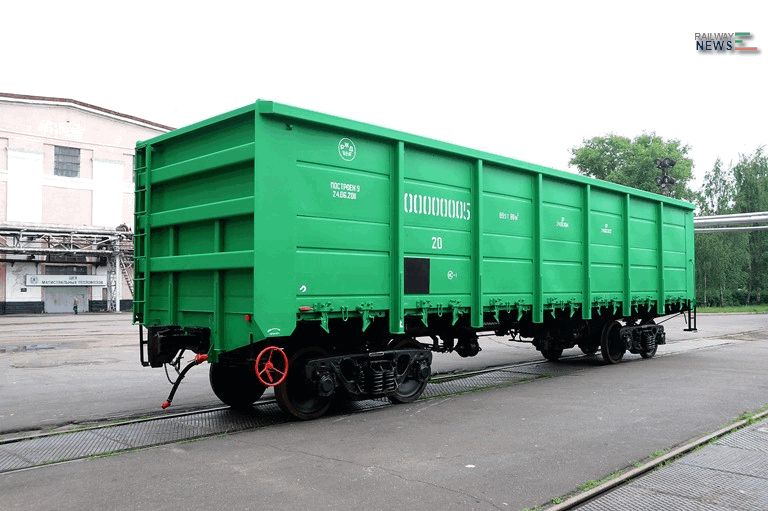
What is UIC Leaflet 429?
UIC Leaflet 429 is a strategic technical standard titled “Wagons – Adaptation to the automatic coupler.” For decades, European Freight Wagons have relied on the manual Screw Coupler and Buffers. UIC 429 provides the engineering requirements to bridge the gap between traditional manual coupling and modern Automatic Couplers.
The primary objective of this leaflet is to ensure that the Underframe of a wagon is designed with the necessary “footprint” and structural reinforcement to accept a central buffer coupler (such as the C-AKv or the Digital Automatic Coupler – DAC) without the need for major structural rebuilding.
Structural and Geometric Requirements
Transitioning from side buffers to a central automatic coupler changes how forces are distributed through the Rolling Stock. UIC 429 mandates several critical design features:
- The “Draft Gear” Pocket: A standardized space at the end of the underframe (the coupler pocket) that must be large enough to house the heavy-duty energy absorbers required by automatic systems.
- Center Sill Reinforcement: Because automatic couplers transmit all tractive and compressive forces through the center of the wagon (rather than the side buffers), the center sill must be capable of withstanding higher Longitudinal Compressive Forces.
- Standardized Mounting: Defining the bolt patterns and flange dimensions to ensure that couplers from different manufacturers can be fitted interchangeably.
Safety and Operational Safety
The move toward automatic coupling is a major step in improving Operational Safety. UIC 429 addresses safety by:
- Eliminating Danger Zones: By preparing wagons for automatic systems, the need for staff to go between vehicles (the “Berne Rectangle”) is eventually removed.
- Buffing and Draw Gear Logic: Ensuring that the transition period (where wagons with automatic couplers and those with side buffers coexist) is managed safely through the use of “hybrid” or “adapter” couplers.
Impact on Interoperability
UIC 429 is a cornerstone of European Interoperability. By following these guidelines, a railway undertaking in one country can purchase wagons from any manufacturer and be certain that they will be compatible with the future European-wide rollout of the Digital Automatic Coupler (DAC). This standardization is essential for Infrastructure Management and high-efficiency logistics.
Comparison: Manual vs. Automatic-Ready Underframes (UIC 429)
| Feature | Standard Manual Wagon | UIC 429 Adapted Wagon |
|---|---|---|
| Force Path | Lateral (Through Side Buffers). | Central (Through Center Sill). |
| End Section | Designed for hook and screw. | Reinforced “Pocket” for auto-coupler. |
| Automation Potential | Low (Requires major rebuild). | High (Plug-and-play installation). |
| Weight Distribution | Concentrated on side sills. | Optimized for central longitudinal stress. |

Railway infrastructure, rolling stock and transport technologies specialist focused on global rail industry developments, high-speed rail systems, signaling technologies and freight transportation. Covering railway investments, public transport modernization, rail operations and international mobility projects across Europe, Asia and North America.