
UAE-Oman Rail Link: Hafeet Project, A GCC Game Changer
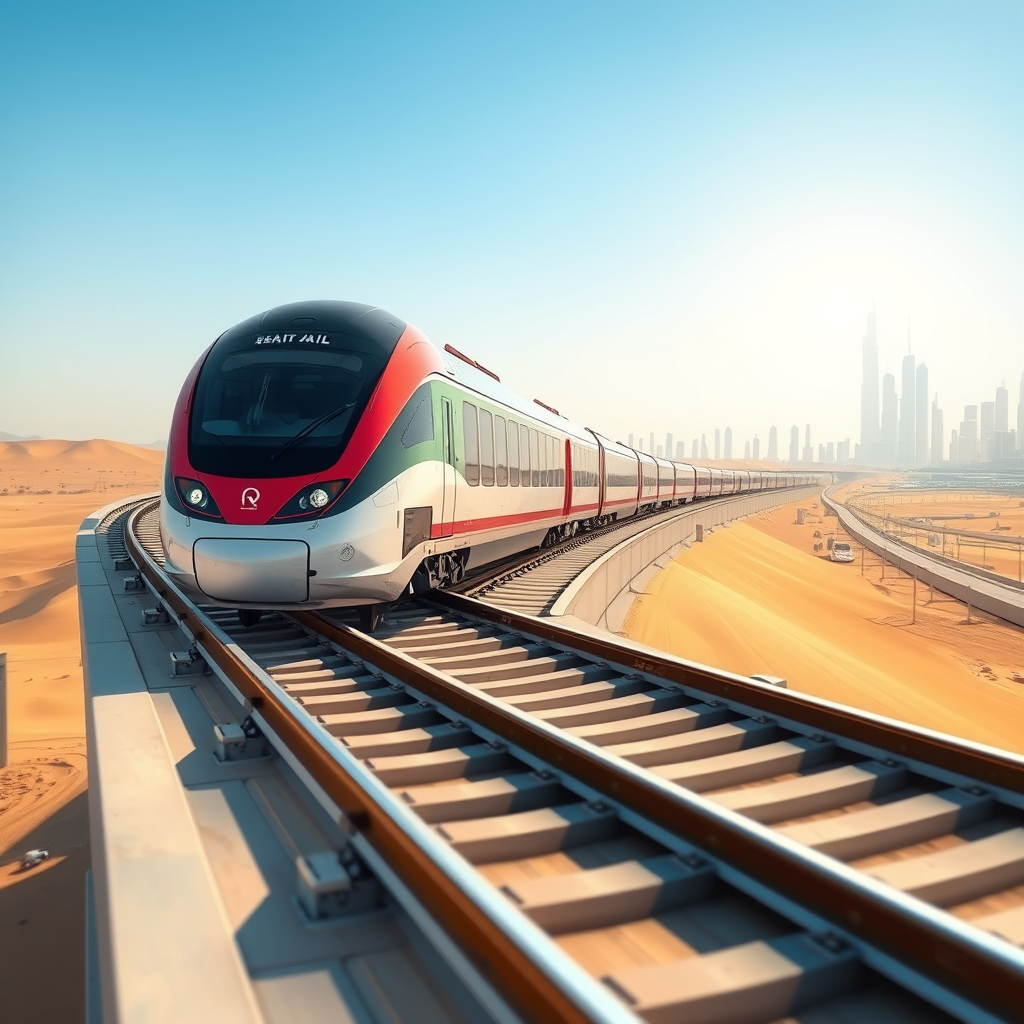
The Hafeet Rail Project represents a groundbreaking technological advancement with Siemens Mobility’s ETCS Level 2 signaling system, aiming to optimize efficiency and safety while enhancing economic connectivity between Abu Dhabi and Oman through improved trade and supply chain management.
Introduction
This article explores the significant development of a new 303km railway line connecting Abu Dhabi in the United Arab Emirates (UAE) to the Omani port city of Sohar. This project, a joint venture between the UAE and Oman under the banner of Oman – Etihad Rail, is not merely an infrastructural undertaking; it represents a crucial step in enhancing regional trade, improving supply chain efficiency, and stimulating economic growth across the Gulf Cooperation Council (GCC). The awarding of the contract to a consortium comprising Siemens Mobility, a leading German rail technology provider, and Hassan Allam Construction, a prominent local construction firm, signifies a commitment to deploying cutting-edge technology and expertise to realize this ambitious endeavor. The project’s focus extends beyond economic benefits; it promises to significantly impact regional connectivity, tourism, and overall socio-economic development. This analysis will explore the technological aspects of the project, its economic implications, and its broader geopolitical significance within the GCC region.
The Hafeet Rail Project: Technological Advancements
The Hafeet Rail project represents a significant technological leap for the region. Siemens Mobility’s involvement guarantees the implementation of state-of-the-art European Train Control System (ETCS) Level 2 signaling, a sophisticated system ensuring high levels of safety and operational efficiency. This advanced signaling technology allows for increased train density and speeds, optimizing throughput and minimizing delays. The integration of detailed telecommunications and power supply systems, also handled by the consortium, underlines a holistic approach to infrastructure development, ensuring robust and reliable railway operations. The choice of ETCS Level 2 underscores a commitment to interoperability with other modern railway systems globally, allowing for future expansion and integration within broader regional rail networks. This technology choice positions the Hafeet Rail project as a model for future railway development across the GCC and beyond.
Economic and Trade Implications
Beyond its technological significance, the Hafeet Rail project holds immense economic potential. The primary objective is to streamline the supply chain between the UAE and Oman, significantly reducing transportation costs and transit times for goods. This will enhance the competitiveness of both nations in regional and international markets, facilitating increased trade and economic growth. The project’s contribution to tourism is also anticipated to be substantial, connecting major tourism hubs and fostering increased cross-border travel. The enhanced connectivity will stimulate economic activity in the regions served by the railway line, creating jobs and fostering overall regional development. The improved infrastructure will attract further foreign investment and boost economic diversification in both the UAE and Oman. The project’s success relies on its ability to demonstrably improve the efficiency and cost-effectiveness of logistics.
Geopolitical Significance and Regional Integration
The Hafeet Rail project is not just about connecting two cities; it embodies a broader vision of regional integration within the GCC. The joint venture between the UAE and Oman signifies a commitment to strengthening bilateral ties and fostering economic cooperation. The project serves as a model for future infrastructural development initiatives within the GCC, potentially leading to a more interconnected and integrated regional transportation network. This enhanced connectivity could significantly contribute to the GCC’s overall economic competitiveness and geopolitical stability. By reducing reliance on road transport, the rail link also promises environmental benefits through reduced carbon emissions.
Conclusion
The Hafeet Rail project, connecting Abu Dhabi and Sohar, marks a pivotal moment in GCC railway infrastructure development. The consortium of Siemens Mobility and Hassan Allam Construction brings together world-class technology and local expertise, ensuring the implementation of a cutting-edge and efficient railway system. The project’s success is expected to deliver substantial economic benefits, primarily by enhancing trade and supply chain efficiency between the UAE and Oman. This will improve the regional competitiveness of both countries and stimulate further economic growth. Moreover, the project holds significant geopolitical importance, demonstrating a commitment to regional integration and cooperation within the GCC. The adoption of ETCS Level 2 signaling represents a significant leap in railway technology, setting a new standard for future rail infrastructure development in the region. The potential for future expansion and integration with wider GCC rail networks positions Hafeet Rail as a cornerstone of regional connectivity and a catalyst for broader economic and social progress. Ultimately, this project’s success will be measured not only by its technical achievements but also by its tangible impact on trade, tourism, and the overall socio-economic development of the region. The project’s emphasis on sustainable development, through the implicit use of electric locomotives, further highlights its long-term vision and its contribution to a greener future for the GCC. The successful completion of this project will be a testament to effective cross-border collaboration and a symbol of regional progress. It showcases the potential of strategic infrastructure development to drive economic growth, enhance regional integration, and improve the quality of life for citizens in the UAE and Oman.

Railway infrastructure, rolling stock and transport technologies specialist focused on global rail industry developments, high-speed rail systems, signaling technologies and freight transportation. Covering railway investments, public transport modernization, rail operations and international mobility projects across Europe, Asia and North America.
RELATED POSTS

October 8, 2026 1:15 pm
Alstom secured a €1bn contract to build 13 automated trains,...

October 1, 2026 7:09 am
United States regulators confirmed a September 30 deadline for the...

October 8, 2026 12:18 pm
Siemens Mobility signed an agreement with VinSpeed to supply 350...

October 4, 2026 5:14 pm
Alstom secured a CA$4.7 billion order from VIA Rail Canada...

October 5, 2026 6:12 pm
AECOM and Jacobs secured a contract in September 2026 to...

October 4, 2026 11:08 pm
Sound Transit confirmed the September 30 opening of Seattle Pinehurst...