
Turkiye Confirms 17.5 km Istanbul Metro Line Handover
Turkiye confirmed the state takeover of a 17.5 km Istanbul metro line, shifting 14 new rail stations from city control to the transport ministry on 18 August.
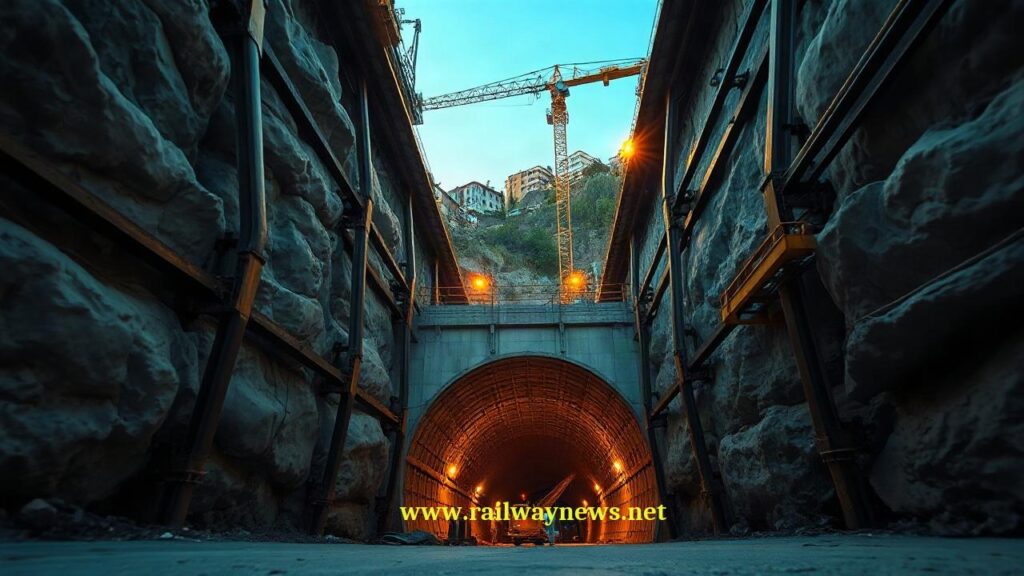
⚡ In Brief: Turkiye’s Ministry of Transport and Infrastructure has taken over construction of Istanbul’s 17.5-kilometer Ümraniye–Kavacık–Beykoz metro project, adding 14 stations to expand the Asian side’s rapid transit network.
ISTANBUL, Turkiye – Turkiye’s Ministry of Transport and Infrastructure officially assumed responsibility for constructing Istanbul’s new 17.5-kilometer Ümraniye–Kavacık–Beykoz metro line following a presidential decree published on 18 August. The 14-station alignment establishes a dedicated rapid transit link along the northern Bosphorus corridor on the city’s Asian side. Transport Minister Abdulkadir Uraloğlu confirmed the route handover from the Istanbul Metropolitan Municipality to central government management.
What Is the Full Scope of This Project?
The Ümraniye–Kavacık–Beykoz metro line will construct 17.5 route-kilometers of underground rail infrastructure serving 14 newly built passenger stations. Running roughly parallel to the Bosphorus Strait, the northern corridor links the inland commercial center of Ümraniye to coastal Beykoz via Kavacık. At Ümraniye, the line integrates directly with the existing driverless M5 Üsküdar–Sultanbeyli metro line. A secondary transfer point at Bosna Bulvarı station will connect passengers to the planned Altunizade–Bosna Bulvarı–Ümraniye Sports Village branch line. Across Istanbul, active urban rail infrastructure totals 402.6 kilometers, with an additional 65.4 kilometers currently under active construction toward a master-plan target exceeding 700 kilometers.
Key Project Data
| Parameter | Value |
|---|---|
| Project / Contract Name | Ümraniye–Kavacık–Beykoz Metro Line |
| Total Value | Not disclosed |
| Parties Involved | Ministry of Transport and Infrastructure, Istanbul Metropolitan Municipality (İBB) |
| Timeline / Completion | Not disclosed |
| Country / Corridor | Turkiye / Istanbul Asian Side (Ümraniye–Beykoz) |
How Does This Compare to Similar Projects?
Capital investment in standalone urban metro corridors is expanding internationally, though procurement models vary significantly between municipal authorities and central governments. In Denmark, the Copenhagen M5 metro line involves infrastructure and systems tenders valued at €1.35 billion for an automated underground ring alignment (Source: Railway Supply, 2025). In India, Mumbai Metro Line 4 secured a major fleet and signaling package with Alstom for 234 Metropolis metro cars and communications-based train control (CBTC) to support a 35-kilometer elevated corridor (Source: Future Market Insights, 2025). While Istanbul’s project covers 17.5 kilometers, the ministry has not released contract values, rolling stock quantities, or civil works packages. Total capital expenditure data for the Ümraniye–Kavacık–Beykoz line was not publicly available at time of publication.
Editor’s Analysis
The jurisdictional transfer of the Ümraniye–Kavacık–Beykoz line reflects an ongoing pattern in Turkiye where national authorities intervene to finance and execute high-capital urban rail projects originally designed by municipal planners. This centralisation strategy ensures capital delivery in underserved outer districts as global passenger volumes rebound, highlighted by a 7% increase in rail passenger traffic reported among UIC member operators (Source: International Union of Railways, 2024). Furthermore, expanding automated metro capacity directly aligns with worldwide growth in driverless operation, with the autonomous train market projected to expand at an 8.9% compound annual growth rate through 2034 (Source: Fortune Business Insights, 2024).
FAQ
Q: Which transit lines will connect with the new Ümraniye–Kavacık–Beykoz metro?
A: Passengers can transfer directly to the automated M5 Üsküdar–Sultanbeyli line at Ümraniye station. An additional transfer will be available at Bosna Bulvarı station to connect with the planned Altunizade–Bosna Bulvarı–Ümraniye Sports Village rail link.
Q: When will construction start and what is the project budget?
A: The Ministry of Transport and Infrastructure has not disclosed an official budget, groundbreaking date, or target opening date. Public procurement notices for civil construction and signaling systems remain pending.
Q: How many new metro stations is Istanbul adding to its wider network?
A: Istanbul plans to commission 23 new metro stations across various extensions by the end of 2026. The 14 stations on the Ümraniye–Beykoz line will add further capacity once ministry construction begins.

Railway infrastructure, rolling stock and transport technologies specialist focused on global rail industry developments, high-speed rail systems, signaling technologies and freight transportation. Covering railway investments, public transport modernization, rail operations and international mobility projects across Europe, Asia and North America.
RELATED POSTS

October 8, 2026 1:15 pm
Alstom secured a €1bn contract to build 13 automated trains,...

October 8, 2026 12:18 pm
Siemens Mobility signed an agreement with VinSpeed to supply 350...

October 1, 2026 12:13 am
Illinois approved $1.5 billion annually for the Northern Illinois Transit...

October 5, 2026 6:12 pm
AECOM and Jacobs secured a contract in September 2026 to...

October 4, 2026 11:08 pm
Sound Transit confirmed the September 30 opening of Seattle Pinehurst...

October 6, 2026 2:14 am
Union Pacific launched export rail shipments with Ferromex to deliver...