
Tours Tram Network Expansion: CAF’s Urbos Triumph
The Urbos trams for Tours represent a significant expansion of the city’s tram network, focusing on accessibility, passenger comfort, and innovative energy storage solutions to improve sustainable urban transportation planning.
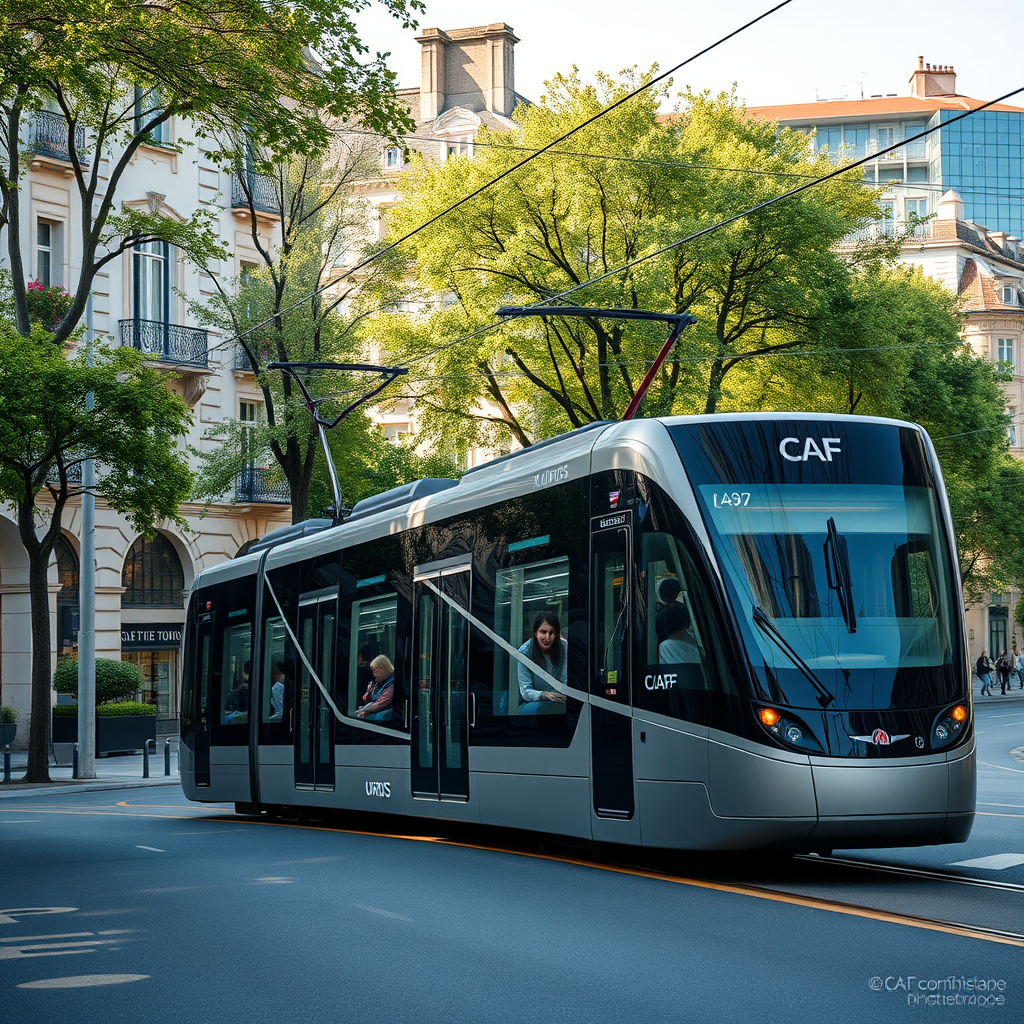
This article examines the recent contract awarded to Construcciones y Auxiliar de Ferrocarriles (CAF) for the supply of nineteen Urbos trams to the city of Tours, France. The project represents a significant expansion of Tours’ existing tram network, adding a crucial second line (Line II) and highlighting key trends in modern light rail vehicle (LRV) design and urban transportation planning. We will delve into the technical specifications of the new trams, exploring their design features focused on accessibility and passenger comfort, as well as the innovative incorporation of onboard energy storage for sections of off-wire operation. Additionally, the broader context of this project will be analyzed, considering its implications for improving intermodality, promoting sustainable transportation within the city, and contributing to the overall economic and social development of the Tours metropolitan area. The successful bidding process also underscores CAF’s position as a leading supplier of rolling stock in the European railway market, a position solidified by their recent selection for a significant contract with the Belgian National Railway company (SNCB).
The Urbos Tram: Design and Technological Advancements
CAF’s Urbos trams, destined for Tours’ Line II, are designed for optimal passenger experience and operational efficiency. Key features include a 42-meter length, accommodating up to 280 passengers. The low-floor design ensures accessibility for all passengers, including wheelchair users and those with strollers. Multi-purpose areas dedicated to bicycles and prams further enhance passenger comfort and convenience. A significant technological advancement is the integration of onboard energy storage modules (OESMs). These OESMs allow for autonomous operation over a 2-kilometer stretch, eliminating the need for overhead catenary wires within the city center. This addresses both aesthetic concerns, preserving the historical character of Tours, and reduces infrastructure costs associated with traditional overhead lines. The integration of OESMs demonstrates a commitment to sustainable and cost-effective urban transport solutions.
Addressing Urban Mobility Challenges in Tours
The expansion of Tours’ tram network directly addresses several critical urban mobility challenges. The new Line II, spanning 12.5 kilometers and incorporating 22 stations, significantly enhances connectivity within the metropolitan area. The line connects key locations, including two hospitals, schools, universities (serving approximately 30,000 students), and various cultural and leisure facilities. Improved intermodality is a key objective; the new line seamlessly integrates with the existing Line I and the city’s bus network, promoting a more efficient and interconnected public transportation system. Additionally, the project incorporates measures to encourage sustainable travel modes, including the addition of dedicated cycling lanes and the expansion of pedestrian areas, reinforcing the city’s commitment to environmentally friendly urban planning.
CAF’s Role in the European Rail Market
The award of this contract reinforces CAF’s prominent position as a key player in the European rail industry. The successful bid for the Tours tram project follows their recent selection as the preferred bidder for a substantial contract with the Belgian National Railway (SNCB) to supply AM30/MR30 trains, valued at up to €1.7 billion. This large-scale contract further solidifies CAF’s position as a leading provider of rolling stock, capable of delivering innovative and sustainable transportation solutions across diverse applications. This consistent success underscores their ability to meet the evolving needs of modern railway systems and adapt to the specific requirements of individual projects, highlighting their expertise and commitment to technological advancement within the railway sector.
Conclusion
The delivery of 19 Urbos trams to Tours marks a significant development in urban transportation planning and light rail technology. The project demonstrates a commitment to sustainable and accessible urban mobility, showcasing CAF’s expertise in designing and delivering state-of-the-art LRVs. The incorporation of onboard energy storage modules represents a significant step toward reducing reliance on overhead lines, contributing to both cost savings and improved urban aesthetics. The broader project context emphasizes the importance of integrated transportation systems, promoting intermodality and encouraging the use of sustainable transport modes. The success of CAF in securing both the Tours contract and the substantial SNCB order underscores their leading role in the European railway market and their ability to deliver detailed, technologically advanced solutions that meet the diverse needs of modern railway operators. The Tours tram project serves as a compelling case study illustrating how innovative LRV designs and detailed urban planning can effectively address the challenges of modern urban mobility and contribute to the overall economic and social wellbeing of a city.

Railway infrastructure, rolling stock and transport technologies specialist focused on global rail industry developments, high-speed rail systems, signaling technologies and freight transportation. Covering railway investments, public transport modernization, rail operations and international mobility projects across Europe, Asia and North America.
RELATED POSTS

October 8, 2026 1:15 pm
Alstom secured a €1bn contract to build 13 automated trains,...

October 1, 2026 7:09 am
United States regulators confirmed a September 30 deadline for the...

October 8, 2026 12:18 pm
Siemens Mobility signed an agreement with VinSpeed to supply 350...

October 4, 2026 5:14 pm
Alstom secured a CA$4.7 billion order from VIA Rail Canada...

October 5, 2026 6:12 pm
AECOM and Jacobs secured a contract in September 2026 to...

October 4, 2026 11:08 pm
Sound Transit confirmed the September 30 opening of Seattle Pinehurst...