
TfW Launches £14 Billion South West Wales Electrification
Transport for Wales launched a £14 billion vision for South West Wales, including mainline electrification and new stations for Swansea.
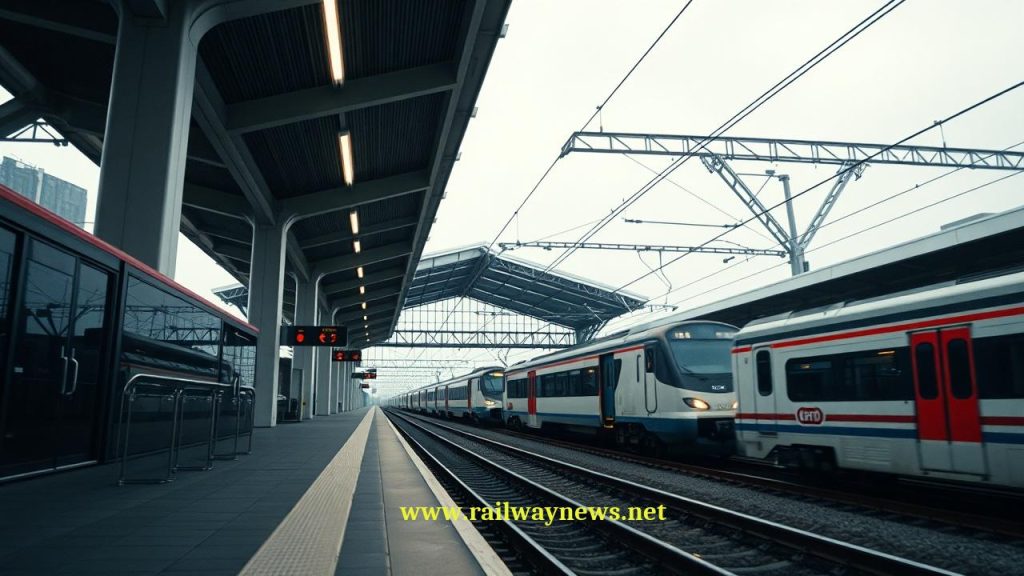
⚡ In Brief: Transport for Wales has announced a £14 billion vision for rail schemes in South West Wales, including mainline electrification and new stations in Swansea, backed by the UK and Welsh Governments to improve regional connectivity.
SWANSEA, UK – A £14 billion package of rail projects has been proposed for Wales, with a significant focus on improving services in the South West region. The Transport for Wales (TfW) vision includes electrifying the mainline to Swansea and constructing new local stations. The initiative is jointly backed by the UK and Welsh Governments and aims to integrate rail with a new franchised bus system.
What Is the Full Scope of This Project?
The proposal covers a series of generational rail upgrades across South West Wales as part of a wider national strategy. Key components for the Swansea area include the full electrification of the mainline from London, which aims to reduce journey times and increase service capacity. The plan also details the construction of several new stations across Swansea to provide direct links to employment zones like the DVLA, hospitals, and major attractions such as the Swansea.Com stadium. A core element of the strategy is the integration of these new rail services with a reformed bus franchise, creating a single public transport system with unified timetables and ticketing.
Key Project Data
| Parameter | Value |
|---|---|
| Project / Contract Name | Transport for Wales (TfW) Vision |
| Total Value | £14 billion (for the entire Wales vision) |
| Parties Involved | Transport for Wales, UK Government, Welsh Government, Swansea Council |
| Timeline / Completion | Not disclosed |
| Country / Corridor | Wales (South West Wales focus) |
How Does This Compare to Similar Projects?
The £14 billion TfW vision is proposed amidst a challenging environment for major UK rail infrastructure investment. For scale, the HS2 project has already incurred costs of £43.6 billion and is currently under instruction from the government to find ways to cut further delays and save money, with its reset plans postponed (Source: Public Sector Executive, Construction News). Similarly, the Northern Powerhouse Rail (NPR) project is facing official probes by a parliamentary committee examining its cost, delivery, and value-for-money risks. While the Welsh Government has committed £115.9 million to transport systems, the TfW vision’s dependence on central UK government backing places it within a national context of intense scrutiny on large-scale capital expenditure.
Editor’s Analysis
This ambitious proposal for Wales contrasts sharply with the prevailing UK rail infrastructure trend of project delays and cost reviews. While the economic and connectivity goals are clear, the TfW vision will likely face significant hurdles in securing its full funding and delivery timeline, given the intense scrutiny applied to other major projects like HS2 and Northern Powerhouse Rail. The success of this vision may depend on its ability to demonstrate value-for-money and avoid the planning and budget challenges that have plagued other large-scale UK schemes. The UK high-speed rail investment trend for 2025 indicates a clear focus on cost-saving and efficiency, a standard this Welsh project will be expected to meet (Source: Public Sector Executive).
FAQ
Q: What is the total investment value of the TfW vision?
A: The total value for the entire Transport for Wales vision is a £14 billion package. The specific funding allocation for the South West Wales components has not been detailed.
Q: Is there a timeline for the electrification to Swansea or the new stations?
A: No specific construction start dates or completion timelines were disclosed in the initial announcement. The proposals are part of a long-term, generational vision.
Q: How does this plan integrate different forms of transport?
A: The plan includes reforming the bus network in the region into a new franchise model. This will allow for the creation of a single, integrated public transport system with one timetable and one ticket valid on both rail and bus services.

Railway infrastructure, rolling stock and transport technologies specialist focused on global rail industry developments, high-speed rail systems, signaling technologies and freight transportation. Covering railway investments, public transport modernization, rail operations and international mobility projects across Europe, Asia and North America.
RELATED POSTS

October 1, 2026 7:09 am
United States regulators confirmed a September 30 deadline for the...

October 4, 2026 5:14 pm
Alstom secured a CA$4.7 billion order from VIA Rail Canada...

October 6, 2026 2:14 am
Union Pacific launched export rail shipments with Ferromex to deliver...

October 1, 2026 12:13 am
Illinois approved $1.5 billion annually for the Northern Illinois Transit...

October 1, 2026 6:10 am
Amtrak approved a System Expansion Committee on July 30 to...
October 1, 2026 3:12 am
Greenbrier confirmed Brian Comstock as new president and CEO effective...