
Swedish Rail Modernization: Advancements & Future of Transport
Here’s a voiceover-friendly excerpt for railway professionals, based on the provided text:
“Sweden’s railway system is undergoing a major modernization. From high-speed rail to advanced signaling, discover how Swedish rail is building a more efficient and sustainable future!”
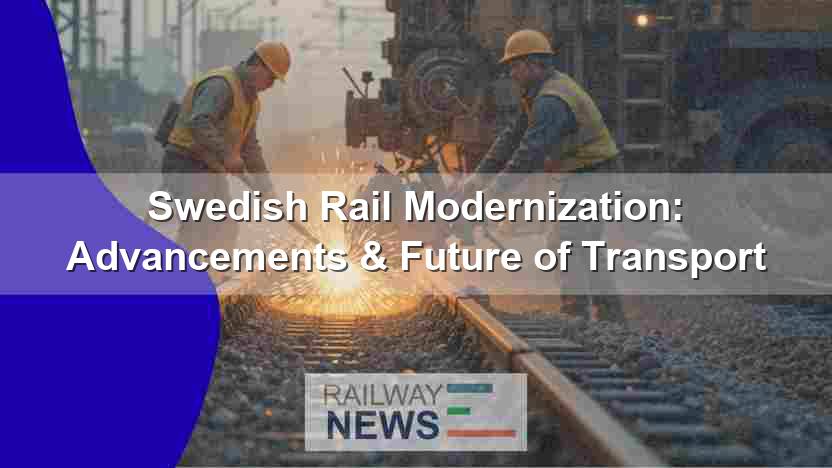
The Modernization of Swedish Rail: A Deep Dive
The Swedish railway system, a vital artery of the nation’s infrastructure, is undergoing a period of significant transformation. This evolution is driven by a complex interplay of factors, including the need to accommodate increased passenger and freight traffic, the imperative to reduce environmental impact, and the ambition to enhance the overall efficiency and reliability of rail services. This article explores the key aspects of this modernization effort, exploring the technological advancements, infrastructure upgrades, and operational strategies that are shaping the future of Swedish rail. From the electrification of lines to the implementation of advanced signaling systems, we’ll examine the initiatives designed to create a more sustainable, efficient, and passenger-friendly railway network. The goal is to offer a detailed overview of the challenges and opportunities facing the Swedish railway industry as it strives to meet the evolving demands of a modern society.
Infrastructure and Technological Advancements
The backbone of any successful railway system is its infrastructure. Sweden is investing heavily in upgrading and expanding its rail network. This includes the construction of new tracks, the strengthening of existing infrastructure, and the implementation of advanced signaling systems. One of the key projects is the high-speed rail initiative, which aims to connect major cities with faster and more frequent services. This project involves the construction of new lines designed for speeds of up to 250 km/h, significantly reducing travel times and increasing the attractiveness of rail travel. Additionally, the modernization effort encompasses the electrification of non-electrified lines to reduce reliance on diesel-powered trains and promote a more sustainable transport system. Advanced signaling systems, such as ERTMS (European Rail Traffic Management System), are being implemented to improve safety, increase capacity, and enhance operational efficiency. These systems provide real-time train tracking, automated speed control, and improved communication between trains and control centers.
Rolling Stock and Passenger Experience
The quality of the rolling stock is another crucial element. New and upgraded trains are being introduced to improve passenger comfort, accessibility, and overall travel experience. Modern trains are equipped with features such as Wi-Fi, comfortable seating, and improved accessibility for passengers with disabilities. In addition to passenger comfort, the new rolling stock incorporates advanced technologies to reduce energy consumption and emissions. The emphasis on improved passenger experience is also evident in the investment in station upgrades. Stations are being renovated to provide modern amenities, improved accessibility, and enhanced information systems. These upgrades aim to create a more welcoming and user-friendly environment for passengers, contributing to a positive overall travel experience. Additionally, there is a focus on integrating different modes of transport, making it easier for passengers to connect between rail, bus, and other forms of transportation.
You might be interested in:
Last October 2018, we published an article about Mongolia’s Ovoot-Arts Suuri rail link PEA. Click here to read – Mongolia’s Ovoot-Arts Suuri Rail Link: PEA Insights
Operational Efficiency and Sustainability
Operational efficiency and sustainability are central to the modernization of the Swedish railway. Strategies are being implemented to optimize train schedules, improve traffic management, and reduce delays. Advanced data analytics and predictive maintenance are being used to minimize disruptions and ensure the reliability of services. Environmental sustainability is a key priority. The electrification of the network and the use of renewable energy sources are reducing the carbon footprint of rail transport. There is a growing focus on promoting rail as a more sustainable alternative to air and road transport, encouraging a shift towards environmentally friendly modes of travel. Additionally, the railway operators are exploring innovative solutions, such as the use of hydrogen-powered trains, to further reduce emissions and contribute to a greener transport sector.
The Role of Private Operators and Future Outlook
The Swedish railway system is a mix of state-owned and privately operated services. The role of private operators has become increasingly significant, with companies like Arriva Pågatågen contributing to the network’s operations. This creates a competitive environment that encourages innovation and efficiency. Looking ahead, the Swedish railway system faces a future filled with both challenges and opportunities. The increasing demand for transport, the need to further reduce environmental impact, and the rapid pace of technological change will continue to shape the evolution of the rail network. The ongoing modernization efforts, combined with strategic investments and operational improvements, are designed to create a railway system that meets the needs of a modern society. Key areas of focus will be continued investment in infrastructure, the integration of smart technologies, and the promotion of sustainable transport solutions. The success of these initiatives will depend on the collaboration between the government, railway operators, and other stakeholders.
Conclusion
To summarize, the modernization of the Swedish railway system is a multifaceted endeavor aimed at creating a more efficient, sustainable, and passenger-friendly transportation network. The investments in infrastructure, including high-speed rail lines and electrification projects, are crucial for accommodating increased traffic and reducing environmental impact. The introduction of advanced signaling systems, such as ERTMS, is improving safety and optimizing operational efficiency. Additionally, the commitment to providing modern and comfortable rolling stock, along with upgraded station facilities, enhances the overall passenger experience. The integration of sustainable practices, such as the use of renewable energy and the exploration of alternative fuels, demonstrates a strong commitment to environmental responsibility. The involvement of private operators, including Arriva Pågatågen, promotes competition and fosters innovation. The future of the Swedish railway hinges on continued investment, technological advancements, and collaborative efforts. The ability to adapt to evolving demands, embrace smart technologies, and prioritize sustainability will be key to ensuring the long-term success of this critical national asset. By focusing on these key areas, the Swedish railway is well-positioned to provide a vital, efficient, and environmentally responsible transportation solution for the decades to come, continuing to connect communities and contribute to the country’s economic and social well-being.

Railway infrastructure, rolling stock and transport technologies specialist focused on global rail industry developments, high-speed rail systems, signaling technologies and freight transportation. Covering railway investments, public transport modernization, rail operations and international mobility projects across Europe, Asia and North America.
RELATED POSTS

October 1, 2026 7:09 am
United States regulators confirmed a September 30 deadline for the...

October 8, 2026 1:15 pm
Alstom secured a €1bn contract to build 13 automated trains,...

October 4, 2026 5:14 pm
Alstom secured a CA$4.7 billion order from VIA Rail Canada...

October 1, 2026 12:13 am
Illinois approved $1.5 billion annually for the Northern Illinois Transit...

October 6, 2026 2:14 am
Union Pacific launched export rail shipments with Ferromex to deliver...

October 1, 2026 6:10 am
Amtrak approved a System Expansion Committee on July 30 to...