
Stadler KISS Trains: Modernizing Bulgaria’s Rail
Stadler’s entry into Bulgaria’s railway market through an agreement for up to ten KISS double-decker EMUs represents a significant investment in modernizing Eastern European rail infrastructure and reflects broader trends towards increased capacity and sustainability across Europe.
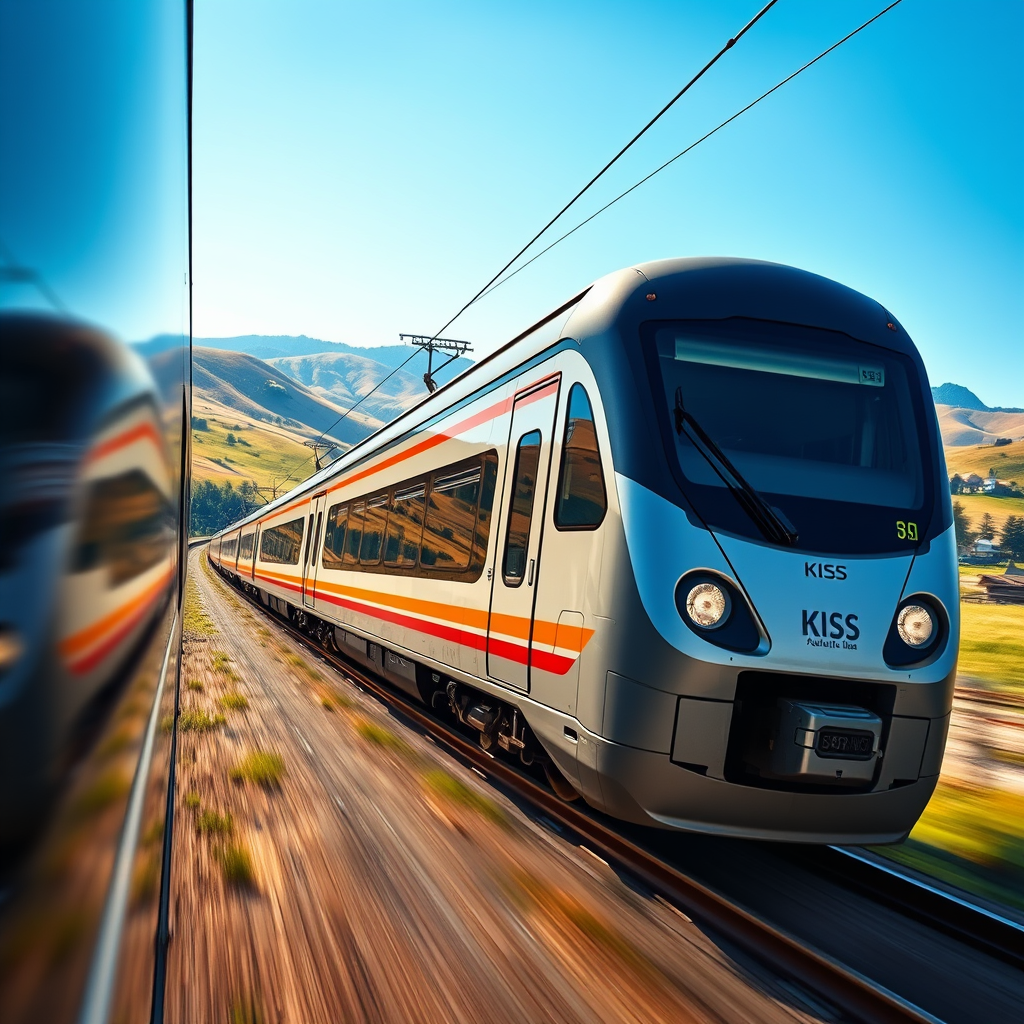
This article examines Stadler’s entry into the Bulgarian railway market, a significant development reflecting broader trends in Eastern European rail infrastructure modernization. The agreement, involving the delivery of up to ten KISS (KISS – Stadler’s double-decker electric multiple unit) double-decker trains, marks a substantial investment in Bulgaria’s public transportation system. This deal not only represents Stadler’s expansion into a new market but also highlights the growing need for modernized, high-capacity rolling stock across Europe. The analysis will explore the implications of this contract, focusing on its economic impact, technological advancements, and contribution to sustainable transportation goals in Bulgaria. We will also consider the wider context of international railway procurement and the strategic positioning of Stadler within the global market.
Stadler’s Expansion into the Bulgarian Market
Stadler’s recent contract with the Bulgarian Ministry of Transport and Communications for the supply of up to ten KISS double-decker electric multiple units (EMUs) signifies a crucial step in the company’s international expansion strategy. The initial order includes seven trains, with options for three more, plus a detailed 15-year maintenance package and staff training. This detailed approach underscores Stadler’s commitment to long-term partnership and localized support. The selection of Stadler’s KISS trains, known for their high passenger capacity (at least 300 seats) and high operational speeds (up to 160 km/h), reflects Bulgaria’s ambition to enhance its railway infrastructure and improve passenger comfort. Manufacturing will take place at Stadler’s factory in Siedlce, Poland, with deliveries expected within 26 months.
Modernization of Bulgaria’s Railway Infrastructure
This deal is a key component of Bulgaria’s broader strategy to modernize its aging rail network. Years of underinvestment have left much of the infrastructure needing significant upgrades. The acquisition of modern, high-capacity EMUs addresses several pressing needs. Improved passenger comfort, increased capacity, and higher operational speeds will contribute to a more attractive and efficient rail system. The partnership between Stadler and the Bulgarian government signals a commitment to sustainable development goals, with the new electric trains contributing to reduced carbon emissions compared to older, less efficient rolling stock. This aligns with wider European Union (EU) initiatives promoting sustainable transportation solutions.
Technological Advancements and Operational Efficiency
The KISS double-decker trains represent a significant technological advancement for the Bulgarian railway system. Their modern design incorporates features enhancing passenger comfort, safety, and operational efficiency. These improvements translate to a better passenger experience and more effective resource utilization for BDZ (Bulgarian State Railways), the likely operator of these new trains. The 15-year maintenance agreement further ensures the long-term operational reliability of the fleet, minimizing downtime and maximizing efficiency. Stadler’s commitment to staff training ensures that BDZ personnel are equipped to effectively operate and maintain these advanced trains.
Stadler’s Global Strategic Positioning
Stadler’s successful entry into the Bulgarian market underscores its growing prominence in the international railway sector. This deal adds Bulgaria to its portfolio of 48 countries, a testament to the company’s ability to compete effectively in diverse markets. This expansion, coupled with other recent wins such as its first order in the Gulf Cooperation Council (GCC) region, demonstrates Stadler’s strategic agility and its capacity to adapt its offerings to meet specific customer needs across various geographical regions and regulatory environments. The company’s focus on sustainable solutions further solidifies its position in a rapidly evolving industry.
Conclusion
Stadler’s agreement with Bulgaria marks a pivotal moment for both the company and the Bulgarian railway system. The introduction of up to ten state-of-the-art KISS double-decker EMUs represents a significant investment in modernizing Bulgaria’s rail infrastructure. This project addresses critical needs in passenger capacity, operational efficiency, and environmental sustainability. The deal highlights the growing trend towards modernization within Eastern European rail networks. The collaboration reflects a long-term commitment to improving public transportation. Additionally, Stadler’s continued international expansion, exemplified by this deal and others in regions like the GCC, underscores its strategic vision and competitiveness in the global railway market. The successful implementation of this project will not only improve transportation within Bulgaria but also contribute to setting a precedent for future rail modernization initiatives throughout the region. The long-term maintenance agreement, combined with staff training, assures continued operational success and a robust partnership between Stadler and the Bulgarian government, fostering a positive impact on the national economy and the overall development of the railway industry in Bulgaria.

Railway infrastructure, rolling stock and transport technologies specialist focused on global rail industry developments, high-speed rail systems, signaling technologies and freight transportation. Covering railway investments, public transport modernization, rail operations and international mobility projects across Europe, Asia and North America.
RELATED POSTS

October 1, 2026 7:09 am
United States regulators confirmed a September 30 deadline for the...

October 8, 2026 1:15 pm
Alstom secured a €1bn contract to build 13 automated trains,...

October 4, 2026 5:14 pm
Alstom secured a CA$4.7 billion order from VIA Rail Canada...
October 1, 2026 10:14 am
HS2 installed a 55-metre steel span in Birmingham, completing phase...
October 1, 2026 3:12 am
Greenbrier confirmed Brian Comstock as new president and CEO effective...

October 5, 2026 6:12 pm
AECOM and Jacobs secured a contract in September 2026 to...