
Regio 2N: Modernizing French Regional Rail
The Regio 2N: A Case Study in Modern French Regional Rail Procurement examines how the French National Railway Company (SNCF) procures 19 double-deck electric multiple units from Bombardier Transportation, highlighting its strategic importance for both parties and broader trends in France’s rail industry modernization.
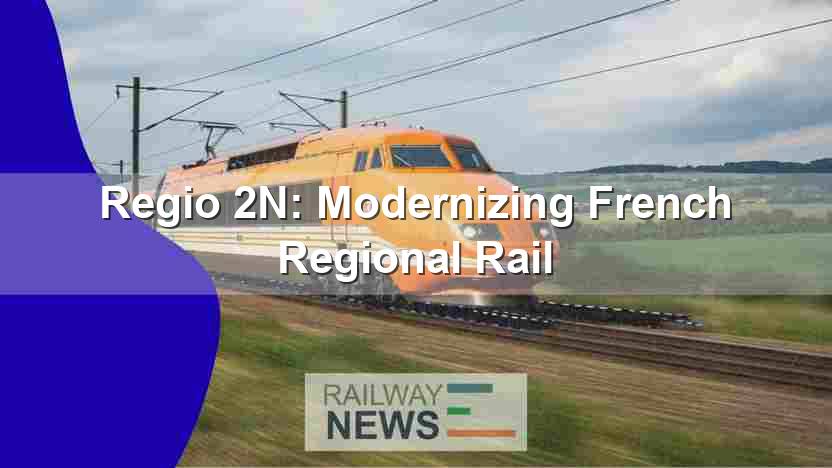
The Regio 2N: A Case Study in Modern French Regional Rail Procurement
This article examines the significant order placed by the French National Railway Company (SNCF) with Bombardier Transportation for 19 Regio 2N double-deck (DD) rail vehicles. This procurement, valued at €176 million ($193 million), represents a crucial component of ongoing efforts to modernize and expand France’s regional rail network. The order is not an isolated incident but builds upon a larger framework of contracts and illustrates key trends in the French rail industry’s approach to rolling stock acquisition. The analysis will cover the technical specifications of the Regio 2N, the strategic implications of the procurement for both SNCF and Bombardier, and the broader context of French railway modernization initiatives. We will delve into the economic benefits for the French rail industry, specifically highlighting the “Origine France Garantie” certification and its impact on local manufacturing and employment. Finally, we will explore the longer-term perspectives of this order within the context of evolving passenger transportation needs and technological advancements in the rail sector.
Technical Specifications and Operational Capabilities
The Regio 2N, a double-deck Electric Multiple Unit (EMU), is designed to meet the demands of high-capacity regional and suburban services. Each 83-meter-long trainset offers 385 seats, significantly increasing passenger capacity compared to previous generations of rolling stock. The design incorporates features aimed at enhancing passenger comfort and accessibility, including Wi-Fi connectivity, a detailed video surveillance system, and dedicated spaces for six bicycles. Importantly, the Regio 2N fully complies with all relevant European interoperability and accessibility standards, ensuring seamless integration into the broader European rail network. The ability to operate in multiple units with existing Regio 2N fleets further optimizes operational flexibility and efficiency for SNCF.
Strategic Significance for SNCF and Bombardier
For SNCF, this order represents a continued commitment to upgrading its regional rail infrastructure. The Regio 2N’s high capacity and modern amenities are crucial for addressing the increasing passenger demand on heavily utilized lines such as Lyon-Mâcon and Lyon-Valence, where the new trains will operate starting in mid-2023. The procurement also aligns with SNCF’s broader strategy to improve the overall passenger experience and enhance the competitiveness of rail travel compared to other modes of transportation. From Bombardier’s perspective, this contract underscores the company’s continued success in the European rail market. The order reaffirms the Regio 2N’s reputation as a reliable and high-performing EMU, contributing to Bombardier’s market share and financial stability. Additionally, the “Origine France Garantie” certification highlights Bombardier’s commitment to supporting the French economy through local manufacturing and employment opportunities.
Economic Impact and “Origine France Garantie”
The manufacturing of the Regio 2N trains at Bombardier’s Crespin facility in the Hauts-de-France region is a significant contributor to the French economy. The “Origine France Garantie” certification (a guarantee of French origin) demonstrates that a substantial portion of the train’s value is generated within France, supporting local jobs and boosting economic activity. This emphasis on domestic production is aligned with the French government’s policy of promoting national industries and reducing reliance on foreign suppliers. The economic ripple effects extend beyond Bombardier itself, impacting numerous suppliers and subcontractors involved in the manufacturing process.
Future Prospects and Technological Advancements
The SNCF’s continued investment in modern rolling stock like the Regio 2N reflects a broader trend towards improving regional rail services across Europe. The success of this procurement will likely influence future purchasing decisions by SNCF and other regional railway operators. Future developments in rail technology, such as advancements in energy efficiency, automation, and digital integration, will shape the evolution of rail vehicles. The Regio 2N serves as a stepping stone towards even more sustainable and technologically advanced solutions for passenger transportation in the years to come. The integration of newer technologies will be critical in ensuring the continued efficiency and competitiveness of rail networks in the face of evolving passenger expectations and environmental concerns.
Conclusions
The SNCF’s €176 million order for 19 Regio 2N double-deck EMUs from Bombardier Transportation represents a significant investment in modernizing France’s regional rail infrastructure. This procurement is not an isolated event but forms part of a wider strategy to enhance passenger capacity, improve the passenger experience, and bolster the competitiveness of rail travel. The Regio 2N’s technical specifications, including its high seating capacity, advanced features, and compliance with European interoperability standards, perfectly address the needs of heavily utilized lines. The economic impact of this order is substantial, with the “Origine France Garantie” certification highlighting the significant contribution to the French economy through domestic manufacturing and job creation. Looking ahead, the success of the Regio 2N program will undoubtedly influence future rail procurement decisions, with ongoing technological advancements playing a pivotal role in shaping the future of regional rail transportation. The integration of sustainability initiatives and smart technologies will be key to ensuring long-term efficiency and meeting the ever-evolving demands of rail passengers and stakeholders alike. The Regio 2N exemplifies a successful collaboration between a major international manufacturer and a national railway operator, driving innovation and economic growth within the French rail industry.

Railway infrastructure, rolling stock and transport technologies specialist focused on global rail industry developments, high-speed rail systems, signaling technologies and freight transportation. Covering railway investments, public transport modernization, rail operations and international mobility projects across Europe, Asia and North America.
RELATED POSTS

October 8, 2026 1:15 pm
Alstom secured a €1bn contract to build 13 automated trains,...

October 1, 2026 7:09 am
United States regulators confirmed a September 30 deadline for the...

October 8, 2026 12:18 pm
Siemens Mobility signed an agreement with VinSpeed to supply 350...

October 4, 2026 5:14 pm
Alstom secured a CA$4.7 billion order from VIA Rail Canada...

October 5, 2026 6:12 pm
AECOM and Jacobs secured a contract in September 2026 to...

October 4, 2026 11:08 pm
Sound Transit confirmed the September 30 opening of Seattle Pinehurst...