
Rail Tech Overhaul: Telent’s GTR IT Upgrade
The recent contract between Telent and Govia Thameslink Railway highlights the critical role of robust IT infrastructure in modern railway operations, focusing on passenger safety, security, and operational efficiency through integrated CCTV, intruder alarms, and PHP systems. Planned preventative maintenance strategies ensure seamless service delivery while minimizing disruptions.
Introduction
This article examines the crucial role of robust and reliable information technology (IT) infrastructure in the modern railway system, focusing on a recent contract awarded to Telent by Govia Thameslink Railway (GTR). The contract highlights the increasing reliance of passenger rail operations on sophisticated IT systems for everything from passenger information displays to security and safety measures. We will explore the scope of this specific contract, analyzing the technologies involved, the challenges of maintaining such a vast network, and the broader implications for the passenger experience and the overall efficiency of rail operations. The discussion will delve into the importance of planned preventative maintenance, the impact of system failures on passengers, and the significance of partnerships between technology providers and rail operators in ensuring seamless service delivery. The integration of various systems, such as CCTV, intruder alarms, and Passenger Help Points (PHPs), and the benefits of a centralized approach to maintenance will be key elements of this analysis. The article concludes with a discussion on the future trends shaping the railway IT landscape.
Telent’s Contract with Govia Thameslink Railway (GTR)
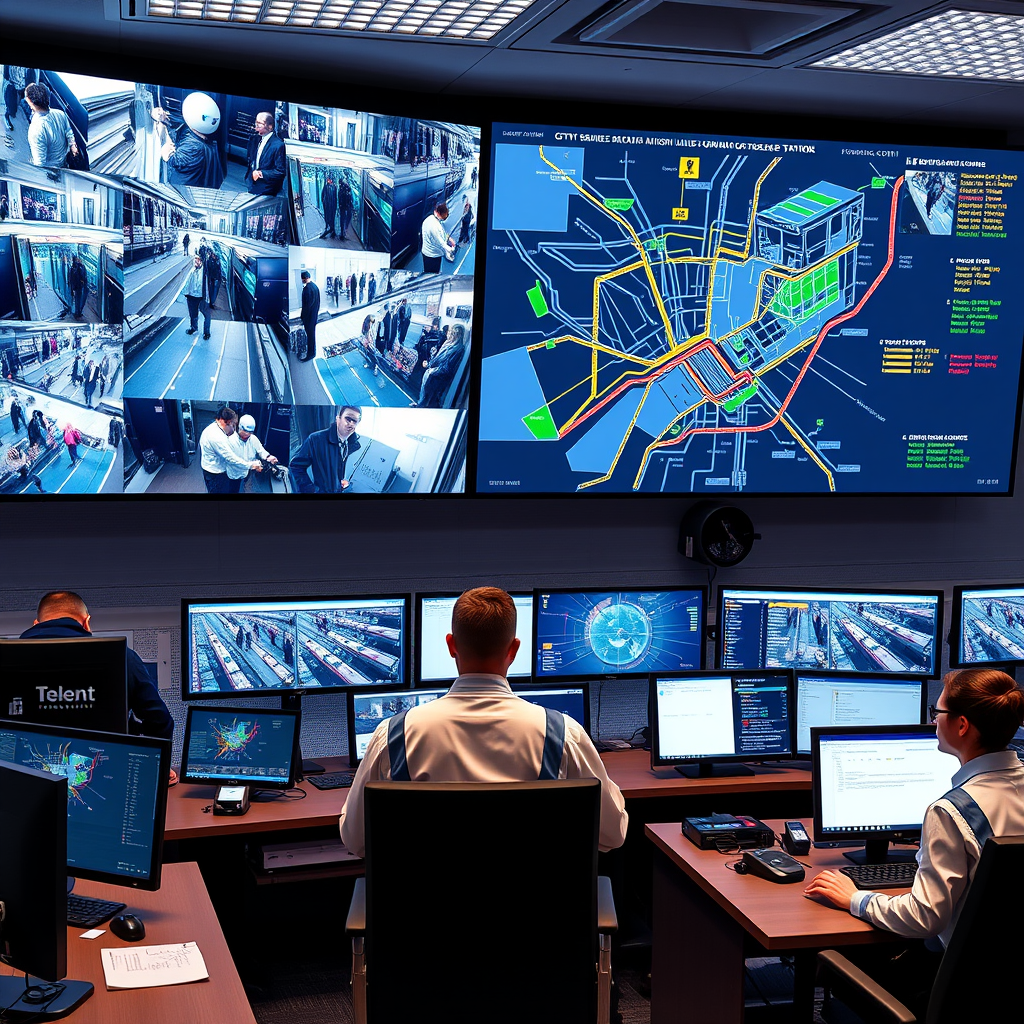
Telent, a technology company specializing in transport communications, has secured a significant contract with GTR, a major UK train operating company, to maintain and manage its customer information systems. This contract covers a substantial portion of the GTR network, encompassing 240 stations across the Thameslink and Great Northern lines. The scope of work includes the maintenance of Closed-Circuit Television (CCTV) systems, intruder alarms in ticket offices, and Passenger Help Points (PHPs). This detailed approach underscores the importance of integrating security and communication systems for enhanced passenger safety and operational efficiency. The contract demonstrates a shift towards centralized management and preventative maintenance, signifying a proactive approach to system reliability.
Maintenance and Asset Management Strategies
The contract emphasizes a proactive approach to maintenance, employing a detailed planned preventative maintenance schedule in conjunction with a reactive maintenance service for immediate fault resolution. This dual strategy aims to minimize service disruptions and maximize uptime. Planned preventative maintenance (PPM) involves regular inspections, cleaning, and component replacements to prevent failures before they occur. This contrasts with reactive maintenance, which addresses problems only after they manifest. By combining both strategies, GTR aims to achieve optimal performance and reliability of its critical IT infrastructure. The efficiency of this approach directly impacts passenger experience, reducing delays and disruptions caused by system failures.
Technological Infrastructure and its Significance
The technologies involved in this contract represent a crucial element of the modern railway infrastructure. CCTV systems provide real-time surveillance for enhanced security, while intruder alarms protect sensitive areas like ticket offices. PHPs offer critical communication links for passengers in need of assistance. The successful implementation and maintenance of these systems are essential not only for passenger safety and security but also for overall operational efficiency. Additionally, the seamless integration of these diverse systems through a centralized maintenance contract underlines the value of a unified approach to asset management in the railway sector.
Conclusion
The Telent-GTR contract serves as a compelling example of the growing reliance on sophisticated IT infrastructure within the rail industry. The scope of the contract, encompassing CCTV, intruder alarms, and PHPs across 240 stations, highlights the significant investment needed to maintain a reliable and secure rail network. The emphasis on a preventative maintenance strategy underlines the importance of proactive asset management in minimizing service disruptions and maximizing passenger satisfaction. The successful execution of this contract will not only enhance the passenger experience through improved safety and information provision but also contribute to the overall efficiency and reliability of the GTR network. The partnership between Telent and GTR demonstrates a trend toward collaborative approaches to managing complex technological systems in the rail sector. This trend is likely to continue as the industry increasingly relies on advanced technologies such as AI, data analytics, and cloud computing to improve operational efficiency, enhance safety, and improve the overall passenger experience. Further, the proactive approach to maintenance, as exemplified by this contract, sets a benchmark for other rail operators seeking to maximize system uptime and minimize passenger disruptions. The success of this model will likely inspire similar initiatives across the broader railway sector, leading to improved service quality and reliability for commuters across the country.

Railway infrastructure, rolling stock and transport technologies specialist focused on global rail industry developments, high-speed rail systems, signaling technologies and freight transportation. Covering railway investments, public transport modernization, rail operations and international mobility projects across Europe, Asia and North America.
RELATED POSTS

October 8, 2026 1:15 pm
Alstom secured a €1bn contract to build 13 automated trains,...

October 1, 2026 7:09 am
United States regulators confirmed a September 30 deadline for the...

October 8, 2026 12:18 pm
Siemens Mobility signed an agreement with VinSpeed to supply 350...

October 4, 2026 5:14 pm
Alstom secured a CA$4.7 billion order from VIA Rail Canada...

October 5, 2026 6:12 pm
AECOM and Jacobs secured a contract in September 2026 to...

October 4, 2026 11:08 pm
Sound Transit confirmed the September 30 opening of Seattle Pinehurst...