
Parramatta Light Rail Stage 2: Urban Rail Future Trends
Unlock the future of urban rail! Parramatta Light Rail Stage 2 showcases innovative technologies and challenges in modernizing urban rail systems. Discover how!
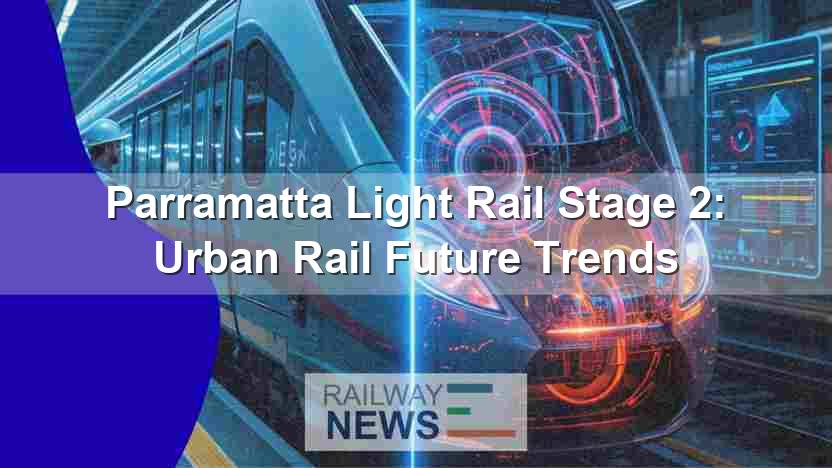
Urban rail systems are critical components of modern transportation infrastructure, and their future hinges on innovation and adaptability. This article explores the key elements driving the evolution of these systems, focusing particularly on the Parramatta Light Rail Stage 2 project as a compelling case study. We’ll examine the technological advancements shaping the industry, the challenges of integrating these advancements into existing infrastructure, and the broader implications for urban planning and sustainability. The project’s significance extends beyond its immediate geographical scope, serving as a microcosm of future urban rail development trends, highlighting the need for efficient project management, effective stakeholder engagement, and sustainable design principles to maximize societal benefits. Modernizing urban rail systems necessitates a holistic approach, considering environmental impact alongside economic feasibility and passenger experience. The Parramatta Light Rail Stage 2 project serves as an excellent example to analyze these crucial aspects.
Technological Advancements in Urban Rail
The railway industry is experiencing a surge in technological innovation. From advanced signaling systems using GPS-based or cloud-based technologies to improve safety and efficiency, to the integration of data analytics for real-time traffic management, the modernization is significant. Additionally, advancements in electric traction systems, including the use of more efficient motors and energy storage, contribute to environmental sustainability goals. These advancements promise improved performance, reduced operating costs, and enhanced passenger experiences, all critical for the future success of urban rail networks. These improvements necessitate a thorough understanding of the intricacies of infrastructure adaptation and the seamless integration of these systems.
Challenges of Implementing New Technologies
While technological progress presents exciting opportunities, implementing these innovations into existing infrastructure presents significant challenges. Integrating new signaling systems with legacy infrastructure requires careful planning and substantial investment. Moreover, maintaining compatibility between different systems and platforms used by various railway operators remains a crucial consideration. The project management challenges associated with such integrations are often complex and demanding. Compatibility standards and interoperability between various systems are critical aspects that need to be carefully considered.
The Parramatta Light Rail Stage 2 Project: A Case Study
The Parramatta Light Rail Stage 2 project offers a valuable case study in urban rail development. It exemplifies the interplay of technological advancements, infrastructural challenges, and socio-economic impacts. By examining the project’s planning, construction, and operational strategies, we can gain insights into the key considerations involved in successful urban rail development. Analyzing the community engagement processes involved provides crucial lessons for future projects. The integration of modern technologies within existing infrastructure is essential to maximizing efficiency and minimizing disruption during construction and operation phases. Success depends on effective communication, transparency, and a collaborative approach involving all stakeholders. The project’s construction and operational strategies demonstrate the importance of a cohesive approach in dealing with the complex interactions involved. It requires careful coordination and effective risk management throughout the entire lifespan of the project.
Conclusions: Paving the Way for Future Urban Rail
The evolution of urban rail systems is marked by a relentless pursuit of efficiency, sustainability, and improved passenger experience. Advancements in signaling, traction, and data analytics are driving this evolution, although challenges remain in integrating these technologies with existing infrastructure. Projects like Parramatta Light Rail Stage 2 are crucial case studies, highlighting the importance of robust project management, detailed community engagement, and a holistic approach to urban planning. The efficient integration of technology is vital to ensure a positive societal impact. The successful completion of the Parramatta Light Rail Stage 2 project demonstrates the potential for urban rail systems to serve as a vital component of a sustainable and efficient future. It underscores the need for meticulous planning, robust infrastructure, and an emphasis on both environmental and societal benefits. The overall success depends on effective project management and strong public-private partnerships. Additionally, incorporating principles of smart design and considering the long-term effects of the project on the surrounding environment are crucial for maximizing its societal and economic impact.
The project highlights the vital role of technological advancements in modernizing urban rail networks, but careful consideration must be given to potential disruption and the smooth integration of these advancements. This highlights the importance of thorough feasibility studies, efficient project management, and proactive community engagement.
This focus on the future of urban rail systems is critical for effectively planning and executing sustainable development projects. The successful execution of projects like Parramatta Light Rail Stage 2, will set the stage for more advanced, efficient, and environmentally conscious urban rail systems in the future.
You might be interested in:
Last February 2019, we published an article about the $11 billion Wabtec-GE merger and its impact on rail technology. Click here to read – Wabtec-GE Merger: Reshaping Rail Technology

Railway infrastructure, rolling stock and transport technologies specialist focused on global rail industry developments, high-speed rail systems, signaling technologies and freight transportation. Covering railway investments, public transport modernization, rail operations and international mobility projects across Europe, Asia and North America.
RELATED POSTS

October 8, 2026 1:15 pm
Alstom secured a €1bn contract to build 13 automated trains,...

October 1, 2026 7:09 am
United States regulators confirmed a September 30 deadline for the...

October 4, 2026 5:14 pm
Alstom secured a CA$4.7 billion order from VIA Rail Canada...

October 5, 2026 6:12 pm
AECOM and Jacobs secured a contract in September 2026 to...

October 1, 2026 12:13 am
Illinois approved $1.5 billion annually for the Northern Illinois Transit...

October 4, 2026 11:08 pm
Sound Transit confirmed the September 30 opening of Seattle Pinehurst...