
NURCoE: Modernizing US Rail Infrastructure
The National University Rail Center of Excellence (NURCoE) funded by the Bipartisan Infrastructure Law aims to modernize America’s railway infrastructure through advanced inspection technologies, sustainable rail technologies, and resilient network development, aiming to enhance safety, efficiency, and sustainability.
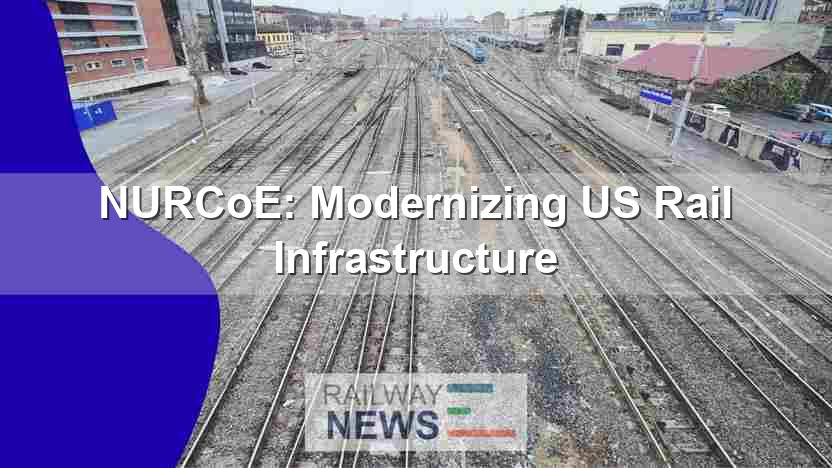
The United States faces significant challenges in modernizing its railway infrastructure. This article explores the recent establishment of the National University Rail Center of Excellence (NURCoE), a critical initiative funded by the Bipartisan Infrastructure Law, and its potential impact on addressing these challenges. The NURCoE, spearheaded by the University of Illinois Urbana-Champaign (UIUC) and a consortium of nine universities, represents a substantial investment in research and development aimed at improving safety, efficiency, and sustainability within the American railway system. This collaborative effort will focus on a range of crucial areas, from advanced inspection technologies and network resilience to the development of more energy-efficient rolling stock and infrastructure enhancements. The establishment of this center marks a significant step towards a more modern, resilient, and technologically advanced national railway network. The following sections will delve into the specific research areas, the consortium’s collaborative approach, the implications for the future of rail transportation in the US, and the broader context of national infrastructure investment.
Advanced Inspection and Network Resiliency
A primary focus of the NURCoE will be the development and implementation of advanced inspection technologies for railway infrastructure. This includes exploring cutting-edge non-destructive testing (NDT) methods to identify potential defects in tracks, bridges, and other critical components before they lead to failures. Improved inspection technologies are crucial for enhancing network resiliency by enabling proactive maintenance and preventing costly disruptions. Additionally, the research will focus on improving network resilience against natural disasters and other unforeseen events, incorporating advanced modeling and simulation techniques to assess vulnerabilities and develop mitigation strategies.
Sustainable Rail Technologies and Infrastructure
Environmental sustainability is a key consideration in the NURCoE’s research agenda. The center will investigate the application of electric locomotives (ELs) and other sustainable technologies to reduce the railway system’s carbon footprint. This research will encompass the optimization of energy consumption in rolling stock, the exploration of alternative fuels, and the development of more environmentally friendly materials for infrastructure construction. Additionally, research will address the integration of renewable energy sources into railway operations, contributing to a greener and more environmentally responsible transportation sector.
Enhanced Safety and Operational Efficiency
Improving safety and operational efficiency are paramount goals for the NURCoE. Research will focus on enhancing grade crossing safety through the development and implementation of advanced warning systems and other safety measures to reduce accidents at crossings. This work will also consider the improvement of signaling systems and train control technologies to streamline railway operations and reduce delays. The integration of modernized centralized train control systems (CTCS) will be a significant aspect of the research, improving efficiency and reducing the potential for human error. The aim is to build a safer and more robust railway network, enhancing both passenger and freight transportation.
Collaboration and Knowledge Dissemination
The NURCoE’s success relies on the collaborative efforts of the nine participating universities, each bringing its unique expertise and resources to the table. This collaborative approach ensures a diverse range of perspectives and a detailed approach to tackling the complex challenges facing the US railway system. A crucial aspect of the center’s work involves knowledge dissemination. The NURCoE will actively share its research findings with industry stakeholders, policymakers, and the broader academic community, promoting the widespread adoption of innovative technologies and best practices to improve the nation’s rail network. This includes the publication of research papers, the organization of conferences and workshops, and the development of educational materials.
Conclusion
The establishment of the National University Rail Center of Excellence (NURCoE) marks a significant milestone in the modernization of the US railway system. The $5 million investment from the Federal Railroad Administration (FRA), matched by funding from the participating universities, signifies a commitment to addressing the critical challenges of safety, efficiency, and sustainability within the rail sector. The NURCoE’s research agenda, encompassing advanced inspection technologies, sustainable rail technologies, enhanced safety measures, and improved operational efficiency, directly addresses these challenges. The center’s collaborative nature fosters knowledge sharing and ensures a multi-faceted approach to problem-solving. The focus on disseminating research findings ensures that the innovations developed will have a widespread impact across the industry. The long-term impact of the NURCoE extends beyond the immediate research outcomes. By fostering a culture of innovation and collaboration within the academic and industry communities, the NURCoE will help to build a more resilient, efficient, and sustainable railway system for the benefit of the entire nation. This investment in research and development signifies a crucial step towards building a modern, technologically advanced, and environmentally responsible railway network capable of meeting the future transportation needs of the United States. The success of this initiative will contribute significantly to the overall effectiveness and long-term viability of the national rail infrastructure, enhancing both economic competitiveness and public safety. The NURCoE represents not only a significant investment in infrastructure but also a strategic investment in the future of American transportation.

Railway infrastructure, rolling stock and transport technologies specialist focused on global rail industry developments, high-speed rail systems, signaling technologies and freight transportation. Covering railway investments, public transport modernization, rail operations and international mobility projects across Europe, Asia and North America.
RELATED POSTS

October 8, 2026 1:15 pm
Alstom secured a €1bn contract to build 13 automated trains,...

October 1, 2026 7:09 am
United States regulators confirmed a September 30 deadline for the...

October 8, 2026 12:18 pm
Siemens Mobility signed an agreement with VinSpeed to supply 350...

October 4, 2026 5:14 pm
Alstom secured a CA$4.7 billion order from VIA Rail Canada...

October 5, 2026 6:12 pm
AECOM and Jacobs secured a contract in September 2026 to...

October 4, 2026 11:08 pm
Sound Transit confirmed the September 30 opening of Seattle Pinehurst...