
Network Rail Expands UK Rail Electrification in 2025
Network Rail expanded UK track electrification in March 2025 to install catenary wires and digital signaling to replace diesel trains on busy main line routes.
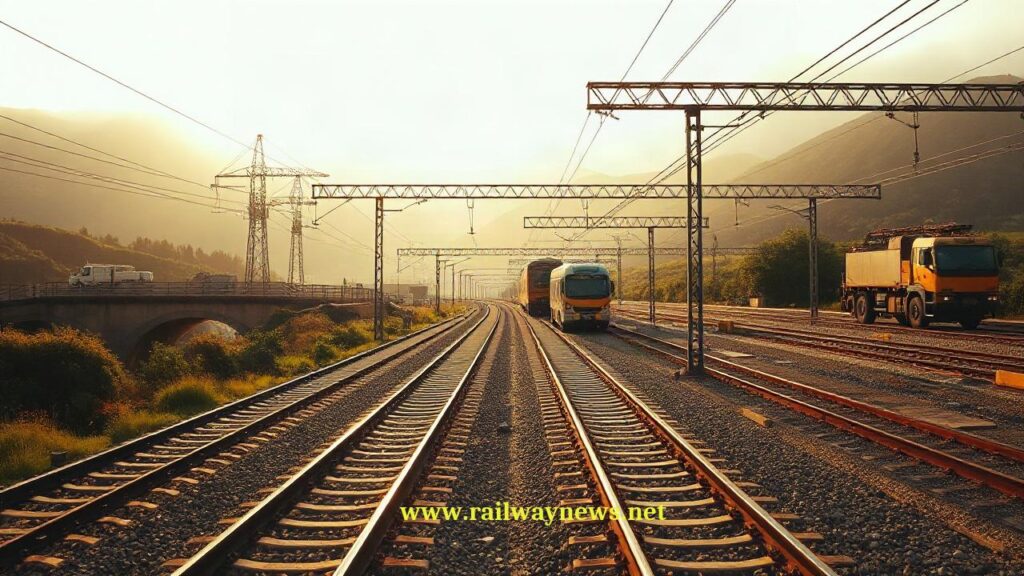
⚡ In Brief: Network Rail and the UK Department for Transport are accelerating national rail modernization and electrification schemes across the British network as global digital rail investment heads toward USD 90 billion by 2026.
LONDON, United Kingdom – Network Rail and the Department for Transport advanced multi-corridor modernization and track electrification programs across the national network in March 2025. The initiative aligns with an expanding international market where digital railway expenditures will exceed USD 90 billion by 2026 (Source: StartUs Insights, 2024). Specific capital allocation figures for the 2025 fiscal cycle were not disclosed by transport authorities.
What Is the Full Scope of This Project?
The UK rail upgrade program encompasses line electrification, overhead catenary expansion, and digital signaling installations to expand passenger capacity and replace diesel traction. Modernization activities prioritize high-density commuter and freight routes to reduce transit emissions while upgrading track substructure, interlockings, and station interfaces. The strategic scheme integrates with broader national goals to decarbonize transport corridors, matching parallel investments in fleet procurement and high-speed line infrastructure across England and Scotland. Total project cost breakdown across regional subdivisions was not disclosed by transport authorities.
Key Project Data
| Parameter | Value |
|---|---|
| Project / Contract Name | UK Rail Modernisation and Electrification Programme |
| Total Value | Not disclosed |
| Parties Involved | Department for Transport, Network Rail |
| Timeline / Completion | Not disclosed |
| Country / Corridor | United Kingdom |
How Does This Compare to Similar Projects?
The British track modernization program reflects an international surge in rail capital allocations, paralleling Canada’s rail network where freight and passenger operators recorded major gains in safety, traffic volumes, and infrastructure spending across transcontinental corridors (Source: Global Railway Review, 2024). Worldwide digital railway investment is forecast to surpass USD 90 billion by 2026, driven by high-speed rail deployment and decarbonization mandates across European and North American networks (Source: StartUs Insights, 2024). However, the British modernization timeline faces ongoing delivery scrutiny when contrasted with the UK rail market’s projected expansion rate, as supply chains manage electrification material constraints (Source: Market Data Forecast, 2024).
Note: Independent verification of specific 2025 railway investment figures was not available at time of publication.
Editor’s Analysis
Sustained infrastructure modernization signals that national networks must prioritize traction power upgrades alongside digital traffic management to meet net-zero targets. While capital flows toward decarbonization, operators risk bottleneck formation unless procurement frameworks coordinate physical catenary deployment with rolling stock deliveries (Source: Market Data Forecast, 2024). Infrastructure managers that balance catenary extension with computerized train control will secure superior network resilience as global digital rail spending tops USD 90 billion.
FAQ
Q: What is the primary objective of the UK rail modernisation and electrification program?
A: The program aims to replace diesel rolling stock with electric traction while implementing digital signaling across key British rail lines. This initiative supports national decarbonization mandates and network capacity increases.
Q: What is the projected timeline and budget for these rail improvements?
A: An official total cost figure was not disclosed by the Department for Transport. Long-term delivery schedules remain tied to five-year railway control periods extending through the late 2020s.
Q: How will the electrification and digital upgrades impact daily train services?
A: Passengers and freight operators will experience increased service reliability and reduced journey times once lines transition to modern overhead power and automated signaling. Temporary route diversions during construction have not been officially confirmed.

Railway infrastructure, rolling stock and transport technologies specialist focused on global rail industry developments, high-speed rail systems, signaling technologies and freight transportation. Covering railway investments, public transport modernization, rail operations and international mobility projects across Europe, Asia and North America.
RELATED POSTS

October 1, 2026 7:09 am
United States regulators confirmed a September 30 deadline for the...

October 1, 2026 12:13 am
Illinois approved $1.5 billion annually for the Northern Illinois Transit...

October 1, 2026 6:10 am
Amtrak approved a System Expansion Committee on July 30 to...

October 4, 2026 5:14 pm
Alstom secured a CA$4.7 billion order from VIA Rail Canada...
October 1, 2026 3:12 am
Greenbrier confirmed Brian Comstock as new president and CEO effective...

October 6, 2026 2:14 am
Union Pacific launched export rail shipments with Ferromex to deliver...