
Modernizing Angola’s Railways: A Path to National Development
Modernizing Angola’s railway network is a pivotal step towards national development, focusing on technological innovation and sustainability to enhance efficiency, safety, and environmental performance, thereby strengthening economic competitiveness, facilitating trade, and improving lives through reliable transportation solutions.
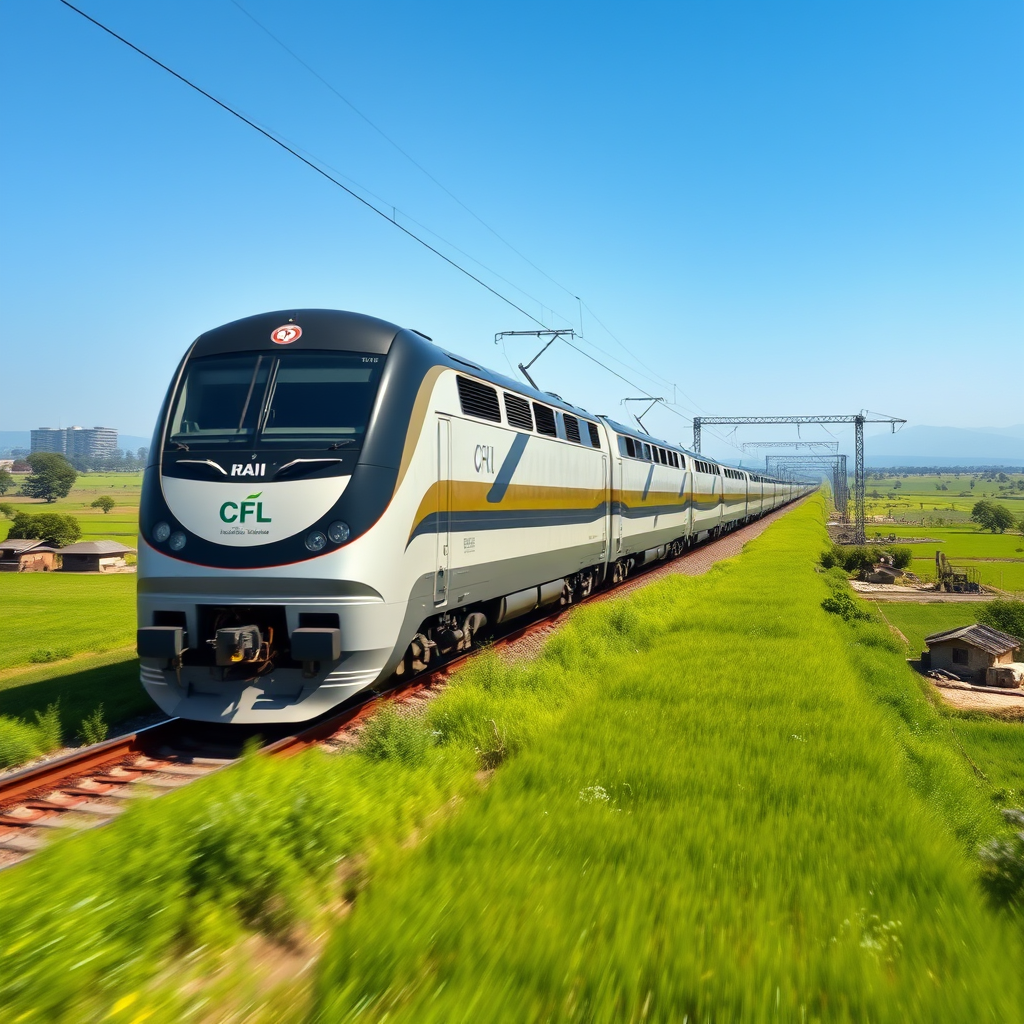
Angola, celebrating 135 years of railway exploration, is undergoing a significant transformation of its rail infrastructure. This article explores the current state of Angola’s railway network, highlighting recent advancements, future expansion plans, and the crucial role of technological innovation and sustainability in achieving national development goals. The focus will be on the strategic importance of improving the efficiency of existing lines, expanding the network’s reach, and adopting modern technologies to enhance safety, operational efficiency, and environmental performance. The modernization efforts aim to strengthen Angola’s economic competitiveness, facilitate trade, and improve the lives of its citizens by providing reliable and efficient transportation solutions.
The Luanda Railway (CFL) – A Foundation for Growth
The 400km (250-mile) Luanda Railway (Caminho de Ferro de Luanda, CFL), connecting Luanda’s port to the nation’s interior, serves as a cornerstone of Angola’s railway system. Initially constructed by a Portuguese colonial company in 1889 and subsequently rebuilt by China Railways in 2005, the CFL has undergone recent upgrades to its signaling and telecommunications systems. These improvements lay the groundwork for further track enhancements and increased operational efficiency, vital for supporting the nation’s economic growth and facilitating the movement of goods and passengers.
Expanding the Network: Connecting Angola’s Key Regions
The Angolan government’s ambitious plan involves connecting three major rail lines by extending the CFL in multiple directions. This expansion prioritizes linking key cities such as Malanje and Saurimo, and extending branches from Luena to Saurimo, Malanje to Cuito, and Cuito to Menongue. This strategic expansion will effectively integrate previously isolated regions into the national transportation network, fostering economic development and improving connectivity throughout the country. Currently, Angola possesses only three major rail lines, with only one connecting internationally. This expansion addresses the historical limitations imposed by past political instability, paving the way for robust economic integration and growth.
Embracing Technological Advancements: Centralized Train Control and Electrification
Modernizing Angola’s railway system extends beyond infrastructure development to include the adoption of advanced technologies. The implementation of centralized train control (CTC) systems enhances operational safety and efficiency by providing real-time monitoring and control of train movements. Additionally, a transition to electric locomotives is crucial for achieving environmental sustainability, reducing reliance on fossil fuels, and lowering greenhouse gas emissions. These technological advancements will significantly improve the overall performance and environmental impact of the Angolan railway system.
International Collaboration and Sustainable Development
The collaboration between Angola and Portugal, as evidenced by the attendance of Portuguese government ministers at the Railway Technical Conference, highlights the importance of international partnerships in infrastructure development. This cooperation facilitates the exchange of expertise and technology, contributing to the successful implementation of the modernization plan. The integration of sustainable practices, such as the adoption of electric locomotives and environmentally friendly construction materials, is essential for long-term sustainability and ensuring the railway system’s positive impact on the environment.
Conclusion
The modernization of Angola’s railway network represents a significant step towards national development. The ongoing improvements to the Luanda Railway (CFL), coupled with the ambitious expansion plans connecting key regions, will have a transformative impact on the country’s economy and social fabric. The strategic integration of advanced technologies, including centralized train control (CTC) systems and electric locomotives, is essential for ensuring operational efficiency, safety, and environmental sustainability. The collaboration with international partners, such as Portugal, strengthens the initiative and ensures access to the necessary expertise and resources. The success of this undertaking hinges on a holistic approach encompassing infrastructural development, technological advancements, and a steadfast commitment to sustainability. The long-term benefits extend beyond improved transportation: they encompass enhanced economic growth, increased regional connectivity, and improved quality of life for Angolans. The modernization of the railway system is not merely an infrastructural project; it’s a catalyst for national progress and a testament to Angola’s commitment to building a brighter future.

Railway infrastructure, rolling stock and transport technologies specialist focused on global rail industry developments, high-speed rail systems, signaling technologies and freight transportation. Covering railway investments, public transport modernization, rail operations and international mobility projects across Europe, Asia and North America.
RELATED POSTS

October 8, 2026 1:15 pm
Alstom secured a €1bn contract to build 13 automated trains,...

October 1, 2026 7:09 am
United States regulators confirmed a September 30 deadline for the...

October 8, 2026 12:18 pm
Siemens Mobility signed an agreement with VinSpeed to supply 350...

October 4, 2026 5:14 pm
Alstom secured a CA$4.7 billion order from VIA Rail Canada...

October 5, 2026 6:12 pm
AECOM and Jacobs secured a contract in September 2026 to...

October 4, 2026 11:08 pm
Sound Transit confirmed the September 30 opening of Seattle Pinehurst...