
Midland Main Line OLE125: Network Rail Upgrade, Greener Rail Journeys
Network Rail completes £84M Midland Main Line OLE upgrade, boosting reliability and speed.
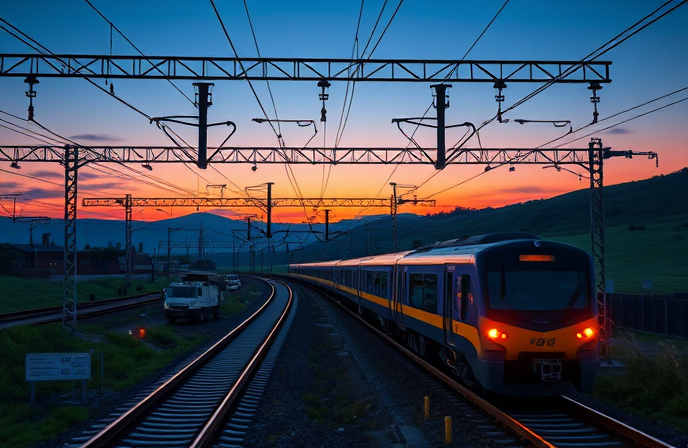
Network Rail Completes £84 Million OLE Upgrade, Enhancing Midland Main Line Performance
Network Rail has successfully completed a significant infrastructure upgrade on the Midland Main Line (MML) between London St Pancras and Bedford. The £84 million project, known as OLE125, involved extensive overhead line equipment (OLE) enhancements. Undertaken from September 2023 to June 2025, the project addressed aging infrastructure installed in the 1980s, bolstering the line’s capabilities for modern bi-mode train operations. This initiative, delivered on time and under budget, aimed to improve reliability, optimize train speeds, and reduce reliance on diesel power, ultimately contributing to greener journeys for passengers. The focus of this article is to detail the scope, execution, and benefits of the OLE125 upgrade, highlighting its impact on the MML and its role in supporting the deployment of new rolling stock.
Optimizing Overhead Line Infrastructure
The core objective of the OLE125 project was to modernize the aging OLE infrastructure along the 40-mile stretch between London St Pancras and Bedford. This encompassed the replacement of 401 head spans, the upgrade of 108 wire runs, and 209 balance weight anchor improvements. The project’s scope included replacing components that were no longer fit for purpose with newer technology. This was essential to support the performance demands of modern bi-mode trains. The project, led by Network Rail with SPL Powerlines as the main contractor, ensured the OLE could facilitate optimal train speeds and support increased reliability, contributing to more efficient service delivery. This included optimising voltage drop and system resilience, crucial for enhanced operational performance. The complexity of the project demanded meticulous planning and coordination to minimise disruption while maximising track availability.
Engineering Execution and Efficiency
The execution of OLE125 involved a considerable logistical undertaking, requiring over 636,000 working hours and an average of 30 machines per shift. The project’s success was due to careful scheduling and efficient resource management. This enabled the team to adhere to project deadlines and stay within the allocated budget. The project included detailed safety protocols to protect the workforce and public while adhering to stringent environmental standards. Network Rail maximized track availability by undertaking several maintenance tasks concurrently, further increasing efficiency. This approach allowed for a range of crucial trackside works to be completed during scheduled possessions, resulting in cost and time efficiencies. The coordinated efforts of Network Rail and SPL Powerlines were instrumental in delivering the project. This showcased exemplary collaboration in the railway sector.
Enhancing Passenger Experience and Environmental Benefits
The primary beneficiary of the OLE125 project will be passengers who will experience improved journey times and greater reliability. By upgrading the overhead line equipment, new bi-mode trains can now operate at optimal speeds. This directly enhances the overall passenger experience, making journeys more seamless and efficient. Additionally, the upgrade significantly reduces diesel usage on the line, contributing to a more sustainable and environmentally friendly transport system. The reduction in diesel consumption is particularly important as the railway industry pushes towards greater sustainability. This initiative plays a crucial part in lowering carbon emissions, thereby benefiting both the environment and local communities. This upgrade is a critical step to incorporating new rolling stock, such as East Midlands Railway’s Aurora Bi-Mode trains, to deliver comfortable, reliable, and greener journeys.
Industry Collaboration and Stakeholder Engagement
A key aspect of OLE125’s success was the close collaboration between Network Rail, main contractor SPL Powerlines, and various stakeholders, including East Midlands Railway and Thameslink. This involved continuous communication, the sharing of best practices, and a mutual commitment to project goals. Close community engagement was also prioritized, with efforts made to keep local residents informed throughout the project. The successful outcome of OLE125 has been directly attributed to this collaborative approach. This highlights the importance of effective partnership working within the railway sector. The project also showcased the vital role of industry-wide improvements, particularly with new rolling stock deployments. By integrating various departments, the project benefited the entire railway.
Conclusion
The completion of the OLE125 upgrade on the Midland Main Line represents a significant achievement for Network Rail and the wider rail industry. This project provides substantial advancements in infrastructure, improving passenger service and advancing the environmental objectives of the line. It demonstrates the potential for efficient execution and effective stakeholder collaboration. The lessons learned from OLE125 can be adopted on other railway upgrades across the network. This will help pave the way for more resilient and sustainable rail services. As the industry transitions towards greener transport solutions, projects like OLE125 are critical to creating a modern railway infrastructure that supports new rolling stock and meets the demands of the future. The success of this project underscores the need for continued investment in overhead line equipment, track maintenance, and other upgrades to improve the efficiency and reliability of rail networks.
Company Summary
Network Rail: Network Rail owns and operates the railway infrastructure across Great Britain, including tracks, signals, tunnels, bridges, and stations. Its mission is to provide a safe, reliable, and efficient railway network. Network Rail plays a crucial role in maintaining and improving railway infrastructure, as demonstrated by the OLE125 project. This focus on continual improvement enables them to deliver the benefits to the customers.
SPL Powerlines: SPL Powerlines is a specialist infrastructure contractor that focuses on overhead line electrification projects for the railway sector. With a proven track record in delivering complex projects, SPL Powerlines’ expertise ensures enhanced reliability, reduced maintenance needs, and improved operational efficiency. SPL Powerlines is vital in the modernization of the railway infrastructure.

Railway infrastructure, rolling stock and transport technologies specialist focused on global rail industry developments, high-speed rail systems, signaling technologies and freight transportation. Covering railway investments, public transport modernization, rail operations and international mobility projects across Europe, Asia and North America.
RELATED POSTS

October 1, 2026 7:09 am
United States regulators confirmed a September 30 deadline for the...

October 8, 2026 1:15 pm
Alstom secured a €1bn contract to build 13 automated trains,...

October 4, 2026 5:14 pm
Alstom secured a CA$4.7 billion order from VIA Rail Canada...

October 1, 2026 12:13 am
Illinois approved $1.5 billion annually for the Northern Illinois Transit...

October 6, 2026 2:14 am
Union Pacific launched export rail shipments with Ferromex to deliver...

October 1, 2026 6:10 am
Amtrak approved a System Expansion Committee on July 30 to...